
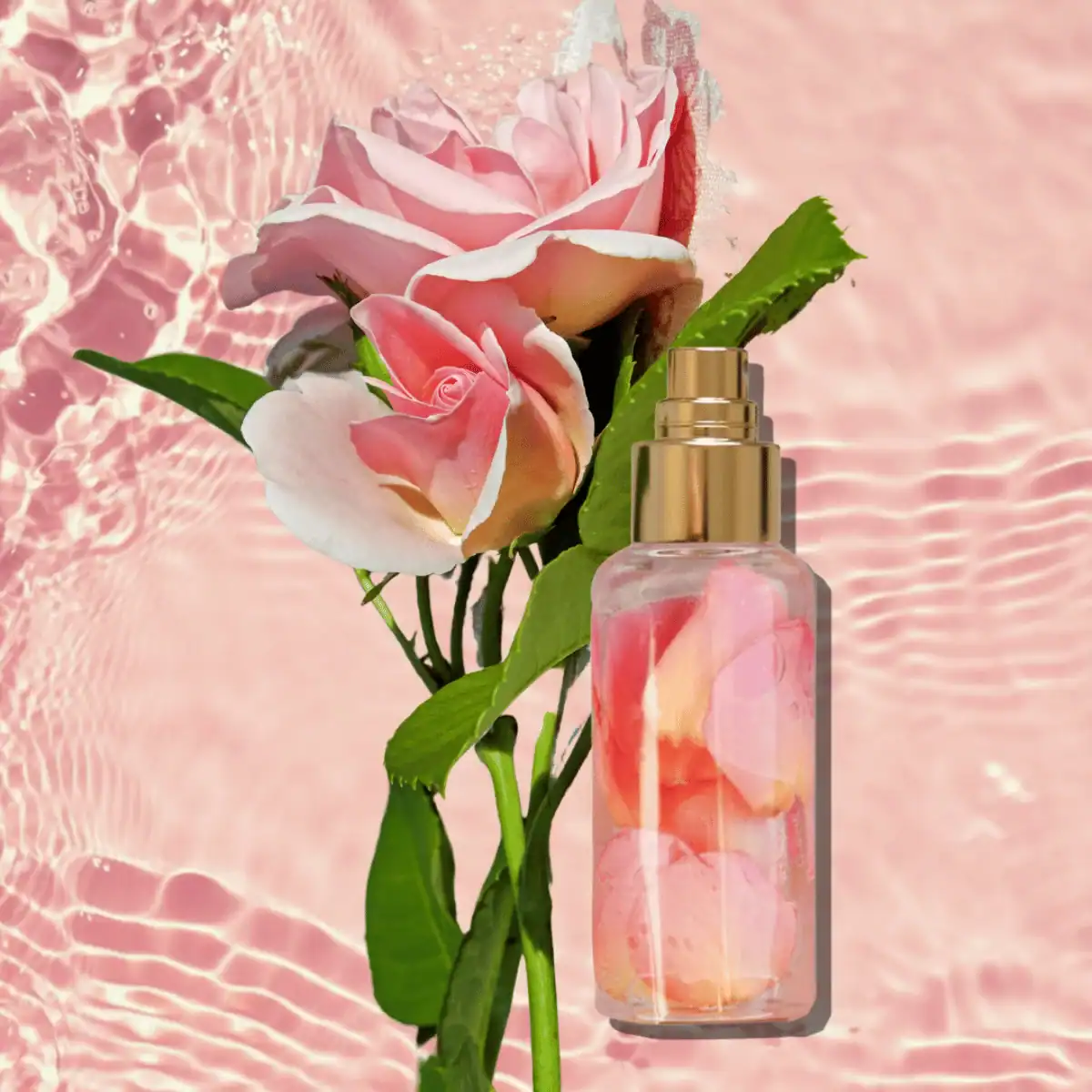
It’s that time of the year when the weather no longer warrants strappy bikinis and poolside cocktails, but it’s not blisteringly cold yet either.
However, it is in the colder months when our skin starts to look and feel its worst, as when temperatures drop, so does humidity, which strips away 25% of our skin’s moisture, according to Simple.
Sure, you can stock up on moisturizers and creams specially formulated for extra dry skin, but there is a cost-effective and natural way to beat winter skin, and autumn is the best time to start including it in your regime!
PIN FOR LATER 📌

Ever since ancient times, roses have been known for their healing properties. When the skin is dried out, it loses hydration and can become itchy, flaky, or scaly.
A great way to restore moisture and eliminate dryness is to add rose water to your skincare regimen.
The good news is that you can make rose water pretty easily in the comfort (and warmth) of your own home.
What Is Rose Water?
Rose water is the natural extract of roses and distilled water containing between 10-50% rose oil, according to Medical News Today.
It’s a very easy DIY project that will allow you to make rose water at home and keep your skin hydrated all year round. Rosewater is used as an astringent, tonic, and emollient.
It is antimicrobial, anti-inflammatory, and deodorizing and has been shown to have wound-healing properties. Rosewater is traditionally used in the treatment of acne, rosacea, eczema, and psoriasis.
How to Make Rose Water at Home
Before you begin, collect some roses from your garden if you can. If you don’t have roses, try asking your local farmer for quality food-grade rose petals—you don’t want pesticides, chemicals, or any other nasties included in your rose water.
WHAT YOU’LL NEED
- 2-3 cups fresh rose petals, rinsed and cleaned
- A wide pot with a lid
- A small glass bowl (that has a smaller diameter than the pot)
- 3 cups of ice cubes (or more if needed)
- Glass spray bottle or jar
Tip: The best roses for making rose water are the Rosa damascena, Rosa centifolia, and Rosa gallica
WHAT TO DO
- Remove the petals from the stems and clean them, making sure you’ve gotten rid of any dirt and insects.
- Once you have the amount you want, put the bowl into the center of the pot and place your petals around the bowl.
- Fill the pot with just enough distilled water to cover the petals—if you add too much, you’ll dilute it! Make sure the water doesn’t go above the top of the bowl.
- Place the pot on the stove on low heat, and put the lid onto the pot, face it upside-down. The lid will trap steam inside the pot.
- Place some ice on top of the lid; it will create condensation that will help to speed up the process. The rose-infused condensation will settle on the underside of the lid and drip into the bowl. When the ice begins to melt, remove the water and add more (use a new or sterilized turkey baster or a small ladle to remove the water without moving the lid).
- As soon as the water inside the pot starts to boil, reduce the heat and allow it to simmer. It will take approximately 20 to 25 minutes.
- Before removing the lid, make sure the mixture has cooled and no remaining ice cubes or water drips into the bowl. Once the bowl has been removed, pour the rose water into a glass spray bottle or jar.
Use the rose water as a toner, mist it over your moisturizer, or add some to your bath.
YOU MAY ALSO LIKE: Try Making This DIY Green Tea Face Mist For Hydrated Skin
What Is the Shelf Life of Rose Water?
It’s so important to maintain the potency of rose water by keeping it in either a fridge or a cool and dry area.
Sometimes, rose water loses its efficacy over time. When made using the distillation method (this method), it can last up to 6 months if kept in a sterile, sealed glass container.
Products to Consider
You could probably find rose water at your local beauty department store, but many manufacturers label their products as containing rose essence, which could be synthetic and have no therapeutic value.
So if you are looking for an alternative to making it yourself, try one of these popular options:
Mario Badescu Facial Spray with Aloe, Herbs, and Rosewater
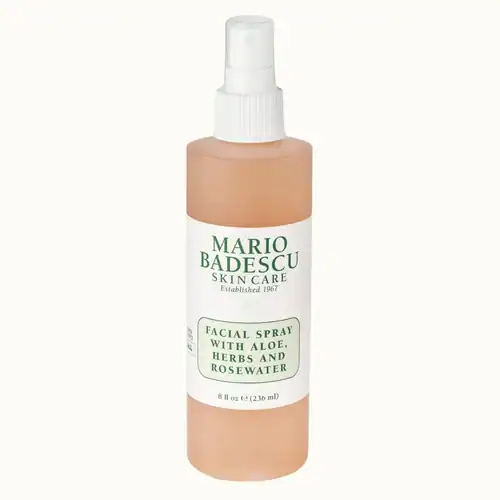
This formula is infused with fragrant herbal extracts and rosewater to refresh and hydrate skin while relieving dehydrated and tight complexions.
Fresh Rose Instant Hydration Mist
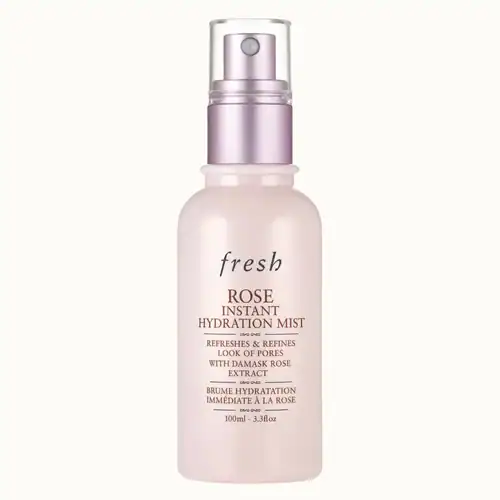
Fresh has infused damask rose and rose water to create a kind-to-skin formula that is well-balanced in soothing and hydrating the skin.
MORE POSTS YOU’LL LOVE: