Here’s a word that sounds like it belongs in a chemistry textbook but might just change your wash day: humectants.
They’re ingredients that attract water, and if you have low porosity hair, they can be the difference between moisture sitting on the surface and moisture actually making it into your strands.
Chances are you’ve used them without realizing it (glycerin and aloe show up in practically every curl product).
But humectants are a little moody… they pull water from wherever they can find it, which means the weather plays a bigger role than you’d think.
Below, I’m breaking down the best humectants for low porosity hair, how they work, when they can backfire, and how to build them into a routine alongside lightweight oils and aloe vera.
What Are Humectants?
Humectants are ingredients that attract and hold onto water.
Think of them as tiny moisture magnets: They grab water molecules from their surroundings (your leave-in, a spray bottle, or even the air) and pull them toward your hair.
That’s why they’re in so many leave-ins, gels, and deep conditioners.
They’re different from emollients and occlusives, which are the other two big players in hair care.
Emollients (like light oils and fatty alcohols) soften and smooth, while occlusives (like heavy butters and some oils) form a seal on the surface.
Humectants are the ones that actually bring water to the party.
RELATED POSTS:
The 4 Best Gels for Low Porosity Hair (Hold Without the Crunch)

Low vs. High Porosity Hair: Signs, Tests, and the Best Routine for Each
7 Best Deep Conditioners for Low-Porosity Hair That Actually Absorb
How to Moisturize Low Porosity Hair (Without the Greasy Buildup)

Is Coconut Oil Good for Low Porosity Hair? Here’s What You Need to Know
Why Humectants Work So Well for Low Porosity Hair
Low porosity hair has tightly packed cuticles that resist moisture, so the hardest part is getting water in at all.
Humectants help with exactly that. Because many of them are small, water-loving molecules, they can draw moisture toward the strand without leaving the heavy residue that butters and thick oils often do.
They’re also usually lightweight and water-soluble, which means they rinse out easily and are less likely to build up.
For hair that turns greasy and dry at the same time when you use rich products, that’s a huge win.
The Best Humectants for Low Porosity Hair
Not all humectants behave the same way. Some are powerhouses, some are gentler, and a few come with extra perks. Here are the ones worth looking for on your labels:
- Glycerin: The most common humectant in hair care and one of the strongest. It’s great in mild, humid weather but can backfire when the air is very dry (more on that below).
- Aloe vera: Light, soothing, and slightly acidic, which helps keep the cuticle smooth. It’s one of the gentlest options for low-porosity hair, and I break it down in detail in my aloe vera for low-porosity hair post.
- Honey: A natural humectant that also adds softness and shine. It’s a star in DIY treatments, and you’ll find a few honey recipes in my DIY hair masks for low porosity hair.
- Panthenol (vitamin B5): Draws in moisture and adds a little slip and shine without weighing hair down.
- Sodium PCA: A component of your skin’s own natural moisturizing factor. It’s lightweight and absorbs easily.
- Propanediol: A plant-derived humectant that’s gentler than glycerin, so it’s a good alternative when glycerin feels like too much.
- Agave and flaxseed: Both add moisture and a bit of soft hold, which makes them popular in gels and custards.
Quick-reference guide
| Humectant | Strength | Best for | Watch out for |
|---|---|---|---|
| Glycerin | Strong | Mild, humid days | Very dry or very humid air |
| Aloe vera | Gentle | Everyday use | Rarely an issue |
| Honey | Moderate | Deep conditioning, DIY masks | Stickiness if not rinsed well |
| Panthenol | Moderate | Leave-ins, slip and shine | Can feel coated in large amounts |
| Sodium PCA | Moderate | Lightweight leave-ins | Rarely an issue |
| Propanediol | Gentle | Glycerin-sensitive hair | Rarely an issue |
| Agave or flaxseed | Gentle | Gels, soft hold | Short shelf life in DIY versions |
Humectants and the Weather: Dew Point Explained
Here’s where things get a little tricky. Humectants pull water from wherever there’s more of it, so the amount of moisture in the air affects how they behave.
The easiest way to track that is the dew point, which you’ll find in most weather apps.
- Low dew point (roughly below 40°F): The air is dry, so strong humectants like glycerin can pull moisture out of your hair and into the air instead. Hello, crunchy, frizzy strands. In cold, dry winter weather, switch to gentler options like aloe or propanediol, or lean more on light oils to seal.
- Moderate dew point (roughly 40°F to 60°F): This is the sweet spot. Most humectants work beautifully here, so go ahead and use your glycerin-rich favorites.
- High dew point (roughly above 60°F): The air is very humid, so humectants can pull in too much moisture and cause your hair to swell, puff, and frizz. Use a gel with a stronger hold and fewer humectants on sticky summer days.
These ranges are a starting point, not a strict rule. Pay attention to how your hair reacts on different days, and adjust from there.
How to Use Humectants in Your Routine
- Apply them to soaking-wet hair: Humectants need water to work with, so they perform best when there’s plenty of it in your hair already.
- Layer them under a light seal: Follow your humectant-rich leave-in with a cream or a few drops of light oil to help hold that moisture in. The LCO method works especially well, and I walk through it in my guide on how to moisturize low porosity hair.
- Use them in deep conditioning: Honey- and aloe-based masks plus a little heat give humectants the best chance to pull water into tight cuticles.
- Refresh with water, not more product: Midweek, mist your hair with water or a light leave-in spray to give your humectants something new to grab onto.
- Adjust with the seasons: Keep a glycerin-rich product for mild months and a gentler, aloe-based one for winter.
Products With Humectants to Try
Want to put all this into practice?
These are some of my favorite humectant-rich picks, many of which also appear in my roundups of the best deep conditioners for low porosity hair and the best gels for low porosity hair.
1. tgin Honey Miracle Hair Mask
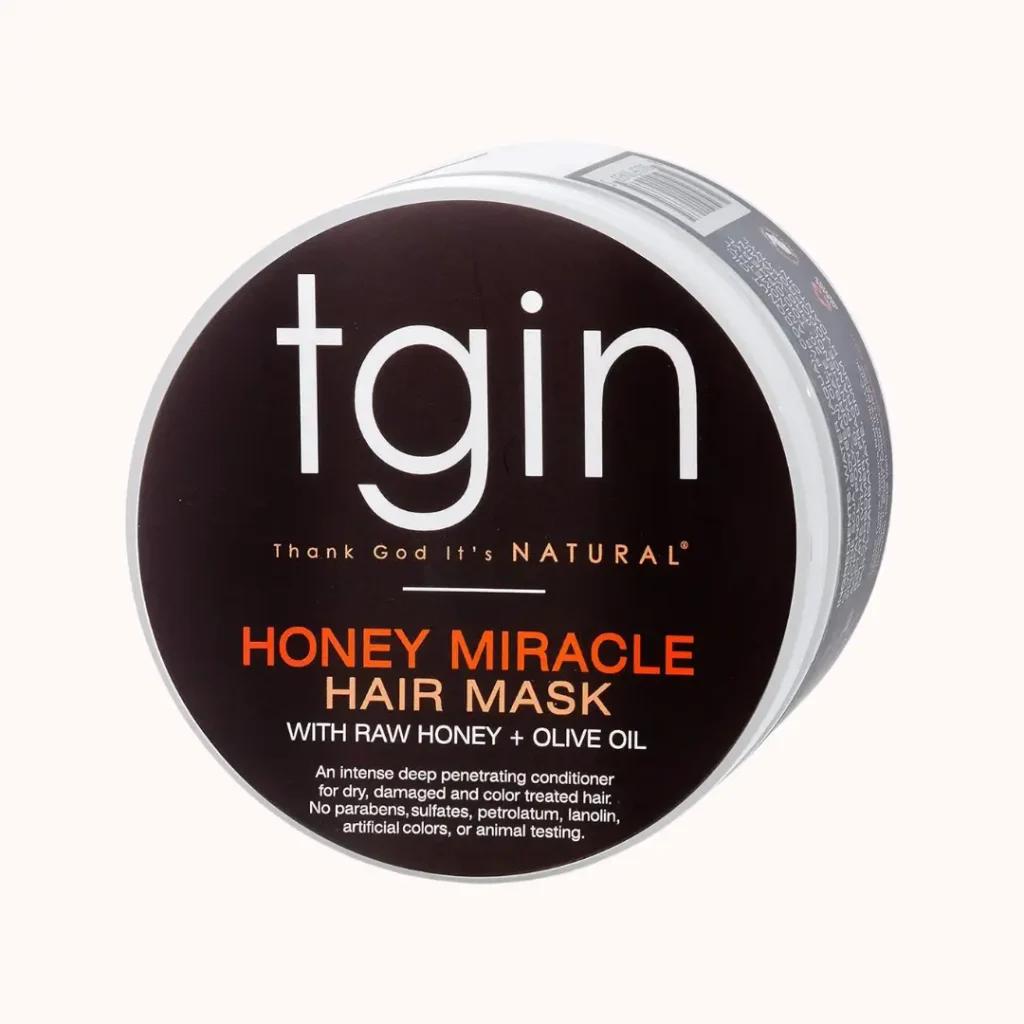
Raw honey is the second ingredient, with aloe vera juice, olive oil, and jojoba oil not far behind, which makes this mask a humectant lover’s dream.
Pop on a plastic cap and sit under a dryer for 10 to 15 minutes to help all that honey do its job.
2. Mielle Babassu Oil & Mint Deep Conditioner
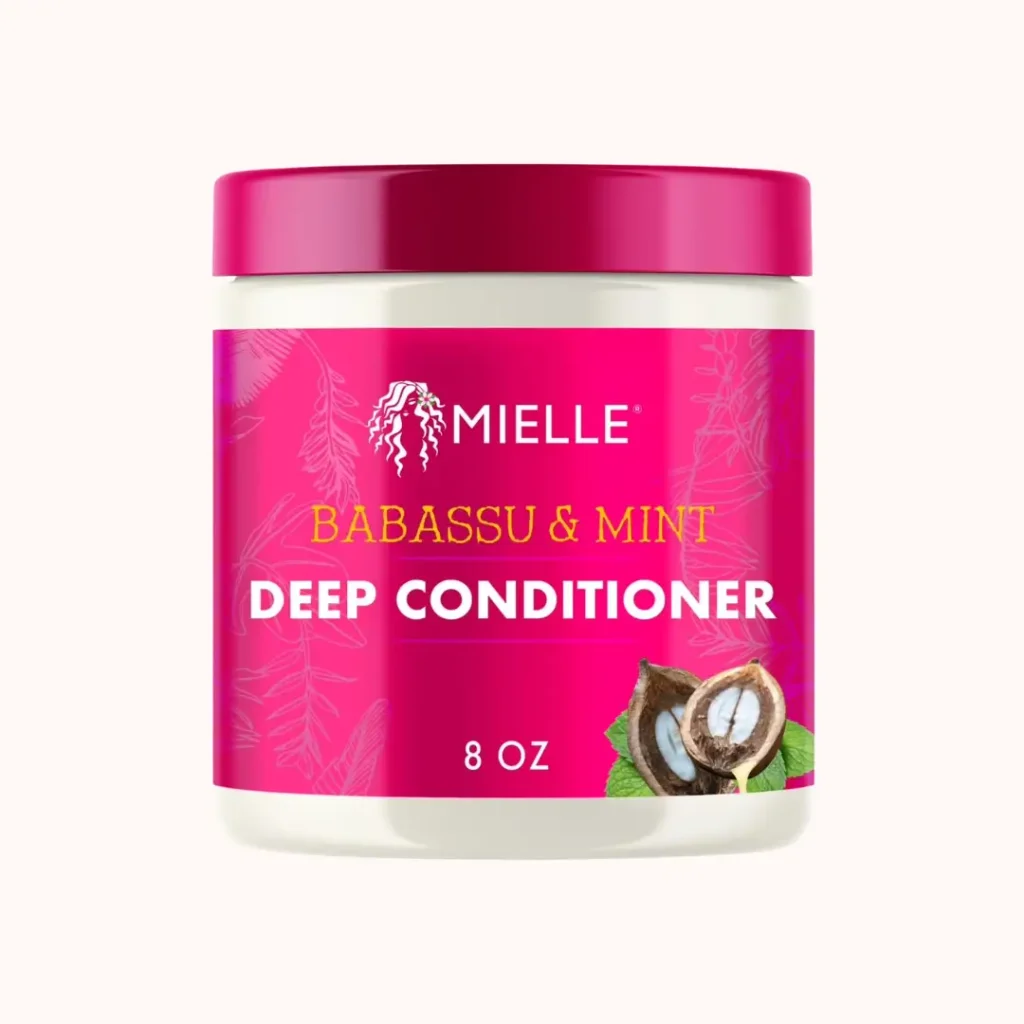
This butter-free deep conditioner pairs glycerin with sodium PCA, two humectants that work well together, plus light babassu oil to soften.
It’s a good option if your hair likes a touch of strength, since it also includes amino acids.
3. Not Your Mother’s Curl Talk Fragrance & Protein-Free Sculpting Gel
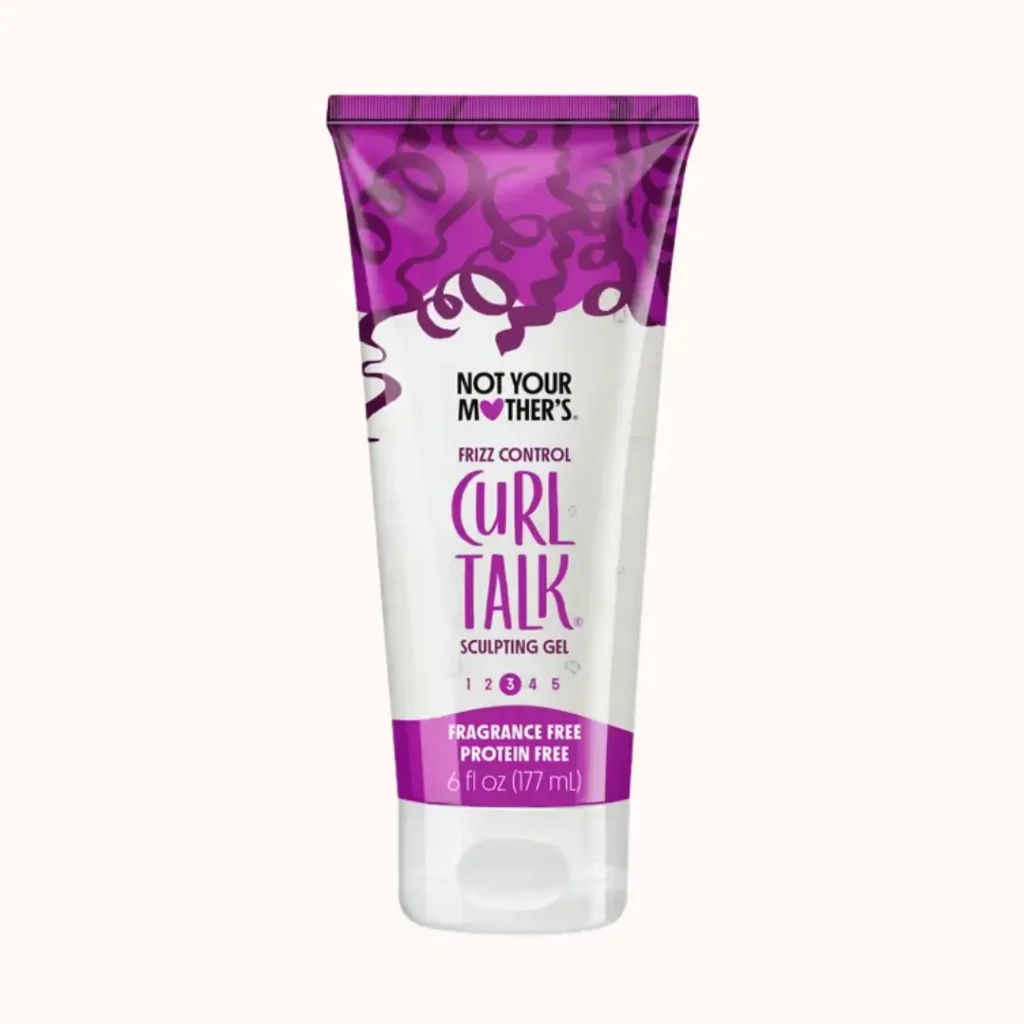
Glycerin sits right after water on the ingredient list, so this gel adds moisture while it holds.
It’s also free of protein, oils, and fragrance, which makes it a safe bet for sensitive, low porosity curls.
Save it for mild or moderately humid days, when glycerin performs at its best.
4. Kinky-Curly Curling Custard
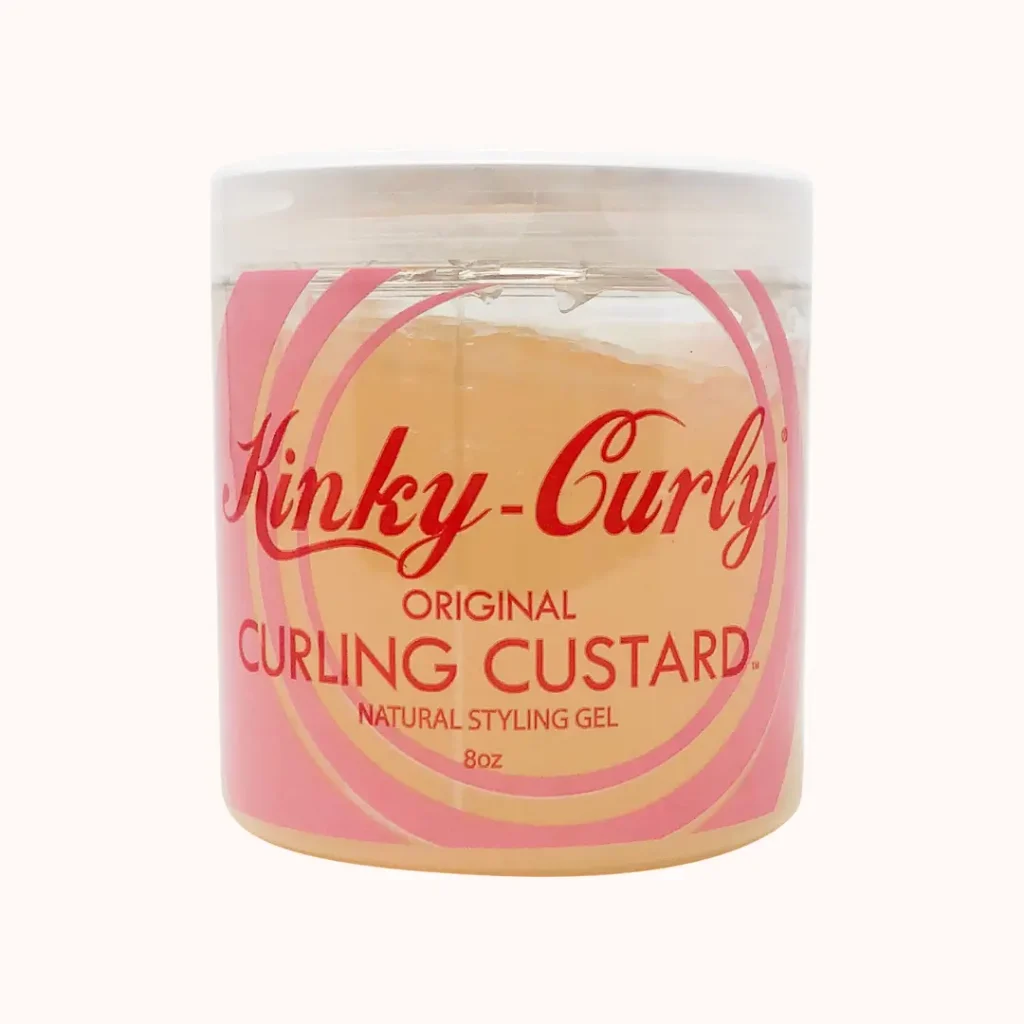
This custard gets its moisture from aloe vera juice and agave nectar instead of glycerin, which makes it a great pick for drier months when glycerin can backfire.
It’s oil-free and gives tight curls and coils solid definition.
Signs You’re Using Too Much
Humectants are great, but more isn’t always better. Your hair might be telling you to scale back if you notice:
- Sticky or tacky strands: Your hair feels gummy even after it dries.
- Frizz and puffiness: Especially on humid days, when your hair soaks up too much moisture from the air.
- Crunchy, dry ends: Often a sign that glycerin is pulling moisture out in dry weather.
- Limp, mushy curls: Hair that feels overly soft and won’t hold a curl may be over-moisturized.
If any of these sound familiar, try swapping to a gentler humectant like aloe or propanediol, using less product, or adding a light oil to seal.
The Bottom Line
Humectants for low porosity hair can be a total game changer, as long as you match them to the weather and your hair’s mood.
Start with gentle options like aloe vera, use glycerin when the air is neither too dry nor too humid, and always apply them to soaking-wet hair with a light seal on top.
Get the balance right, and you’ll finally have moisture that actually sticks around… in your hair, that is.
Ready to build out the rest of your routine? Start with my guide on how to treat low porosity hair, find your perfect seal in the best curl creams for low porosity hair, or, if you have tight coils, check out my complete guide to 4C low porosity hair.
PIN FOR LATER 📌