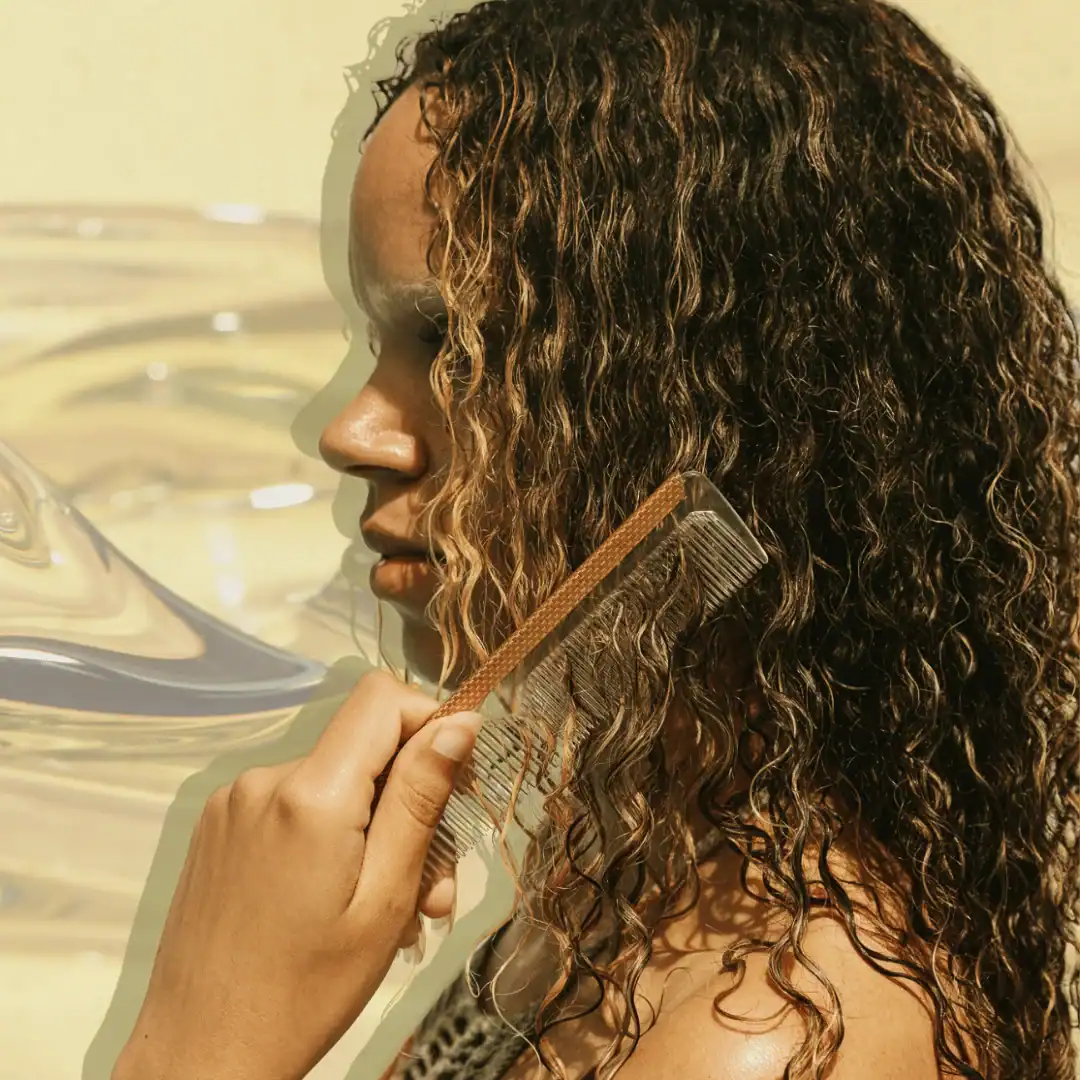
Low porosity hair will humble you.
You spend real money on products, you follow all the routines, you deep condition like a responsible adult, and your hair just looks at all of it and says, “No, thank you,” haha.
The issue isn’t what you’re using.
PIN FOR LATER 📌
It’s that low-porosity hair has tightly closed cuticles that genuinely won’t let moisture in without a little convincing.
That’s where a hot oil treatment comes in. A little heat, the right oils, and suddenly your hair is actually absorbing things instead of staging a protest.
In this post, I’ll share with you exactly how to do a hot oil treatment on low-porosity hair.
What Is Low Porosity Hair?
Low porosity hair isn’t industry jargon—it’s a key characteristic that influences how your hair responds to products, moisture, and treatments.
These strands have a tight cuticle layer that lies flat, creating a barrier that makes it challenging for moisture and products to penetrate.
Signs of low-porosity hair:
- Products sit on top rather than absorbing
- Hair takes forever to get fully wet
- Takes ages to dry after washing
- Regular conditioners feel ineffective
- Oils tend to build up easily
While all those signs above might sound negative, the structure of low-porosity hair is actually a sign of healthy, undamaged cuticles.
The challenge isn’t that your hair is damaged—it’s that it needs specific strategies to accept moisture and nutrients.
Your hair care approach needs to work with this structure, not against it!
Heat becomes your ally (hello, hot oil treatments), lighter products are your friends, and heavy oils are best avoided.
Understanding your hair’s porosity level helps explain why certain products might not be working—even if they’re perfect for someone else.
EVERYONE’S CLICKING ON:

20 Fall Nail Ideas That’ll Make You Ditch Your Summer Shades for Good


Is Coconut Oil Good for Low Porosity Hair? Here’s What You Need to Know

17 NYC Street Style Outfits That Prove New York Dresses Different

15 Butter Yellow Pants Outfits That Make a Case for Yellow as a Neutral

21 Yellow Outfit Ideas That’ll Make You Ditch Your Neutrals (Sorry, Not Sorry)
What Are The Benefits Of A Hot Oil Treatment?
Hot oil treatments do more than just make your hair feel amazing—they transform your strands from the inside out.
Dr. Yolanda Lenzy, MD, tells Refinery29, “Technically, steam causes cuticle swelling, and whatever is applied to the hair during the time the cuticle is swollen can absorb into the shaft.”
So warmth really does unlock your hair’s potential, especially for low-porosity hair.
Here’s what happens when you try a hot oil treatment:
- Deep moisture penetration without heaviness
- Reduced breakage and split ends
- Enhanced shine and manageability
- Improved scalp health
- Protection against environmental damage
- Controlled frizz and flyaways
- Better product absorption for low-porosity hair
The oil you choose to use matters, though, as different oils target different concerns:
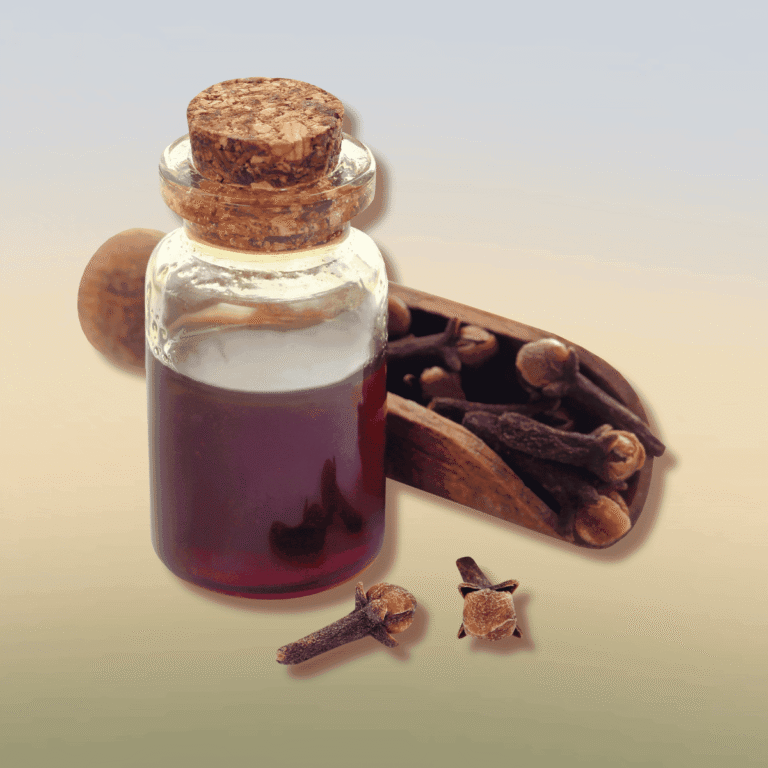
- Grapeseed oil Protects against heat damage
- Argan oil tames frizz and adds shine
- Jojoba oil balances your scalp’s natural oils
These aren’t the only oils that are great; discover all the best oils for low porosity hair here.
It’s genuinely effective haircare that doesn’t require a luxury price tag. You can create a salon-quality treatment using pure, natural oils at home—perfect for those wanting professional results without the professional price point!
RELATED: Argan Oil vs Jojoba Oil: Which One Is Better For Your Hair?
How To Do A Hot Oil Treatment On Low Porosity Hair: Step-by-Step
Now that you understand the power of hot oil treatments and which oils work best for low-porosity hair, here’s how to do the treatment.
First, Choose Your Oil
Select lightweight oils (like the ones mentioned earlier) that won’t overwhelm your strands—yes, you can mix oils for maximum effectiveness, just make sure to skip heavier options like coconut or castor oil, which can lead to buildup.
Pre-Treatment Prep
Start with clean, damp hair. This helps the oil penetrate more effectively. Section your hair into manageable parts to ensure even application.
The Treatment
- Warm your chosen oil (about 2-3 tablespoons) by placing the container in hot water for 2-3 minutes. Test the temperature on your wrist—it should be warm, never hot.
- Apply the warmed oil section by section, focusing on your mid-lengths and ends. Use your fingertips to massage it through your strands.
- Cover your hair with a shower cap or microfiber towel—this maintains the heat and helps the oil penetrate.
- Add extra heat by sitting under a hooded dryer or using a heat cap for 20-30 minutes.
- Shampoo thoroughly but gently—low porosity hair might need two rounds to remove all oil.
- Follow with a lightweight conditioner only on your ends.
- Style as usual, noticing how much smoother and more manageable your hair feels.
NOTE: Microwaving is a definite NO – it can create dangerous hot spots and reduce the oil’s effectiveness.
FAQs
For low-porosity hair, aim for every 2-3 weeks. More frequent treatments might lead to buildup, while spacing them too far apart reduces their effectiveness.
Not if you’re using the right oils and proper technique. Stick to lightweight oils like grapeseed or argan, and make sure to shampoo thoroughly afterward. If you’re noticing residue, you might be using too much oil or oils that are too heavy.
While some people swear by overnight treatments, it’s not necessary for low-porosity hair. The magic happens during the 20-30 minutes when the oil is warm. Extended treatment times won’t improve results and might lead to buildup.
The heat element is crucial for low-porosity hair—it’s what allows the oil to penetrate those tightly bound cuticles. Without heat, the oil will likely just sit on top of your strands rather than absorbing properly.
Wrapping Up
Don’t get discouraged if you don’t see immediate results.
Low porosity hair takes time to respond to treatments, but once you find your perfect oil combination and routine, you’ll never look back.