If you struggle with low-porosity locks, you know that keeping them nourished is hard work! But fear not, because we’re about to dive deep into the best oils for low-porosity hair!
Oils have been lauded for centuries for their ability to moisturize, strengthen, and rejuvenate hair of all types.
PIN FOR LATER 📌
But when it comes to low-porosity hair, not all oils are created equal or help you to reach your #hairgoals, which is why we’ve created this comprehensive guide to explore the best oils specifically tailored to meet the unique needs of low-porosity hair.
From avocado oil’s miraculous ability to penetrate the hair shaft to argan oil’s luxurious nourishment, we’ll explore the very best hair oils that will leave your strands feeling soft, shiny, and oh-so-spectacular.
Quick Reference Guide: Best Oils for Low Porosity Hair
Oil Type | Absorption Level | Best For | Key Benefits |
Grapeseed | Very light | Daily Use | Antioxidants, Heat Protection |
Jojoba | Light | Scalp Health | Balances Oil Production |
Argan | Medium-light | Styling | Shine, Manageability |
Sweet Almond | Light | Strengthening | Elasticity, Softness |
Avocado | Medium | Deep treatment | Deep Moisture, Protection |
What Is Low Porosity Hair?
According to Karen Flowers, Certified Trichologist, Licensed Cosmetologist, and Founder of Curl House, “Porosity is your hair’s ability to absorb and maintain moisture.”
But first, you have to understand the structure of your hair strands to determine what your hair’s porosity is. “Our hair strand has three layers, it has a cuticle layer, which is the outer layer, the inner layer is the cortex and then, some of them have a medulla.”
EVERYONE’S CLICKING ON:

20 Fall Nail Ideas That’ll Make You Ditch Your Summer Shades for Good


Is Coconut Oil Good for Low Porosity Hair? Here’s What You Need to Know

17 NYC Street Style Outfits That Prove New York Dresses Different

15 Butter Yellow Pants Outfits That Make a Case for Yellow as a Neutral

21 Yellow Outfit Ideas That’ll Make You Ditch Your Neutrals (Sorry, Not Sorry)
If the outer layer (the cuticle) is tightly bound, that means you have low-porosity hair, which makes it resistant to moisture absorption.
This type of hair often feels smooth and shiny but can be prone to product buildup.
Low porosity hair is typically more resistant to damage from heat and chemical treatment but may require extra effort to moisturize and style effectively.
How You Can Find Out If You Have Low Porosity Hair
There’s a simple trick you can do to check hair porosity. “Take a glass of water, and take a hair strand, and put it on the inside of the water, if the hair strand floats, or if it stays at the top of the water, that means you have low porosity hair…if the hair strand floats down to the bottom, that means it is high porosity hair and it’s taking up a lot of moisture very quickly,” says Flowers.
What Are All The Hair Porosity Types?
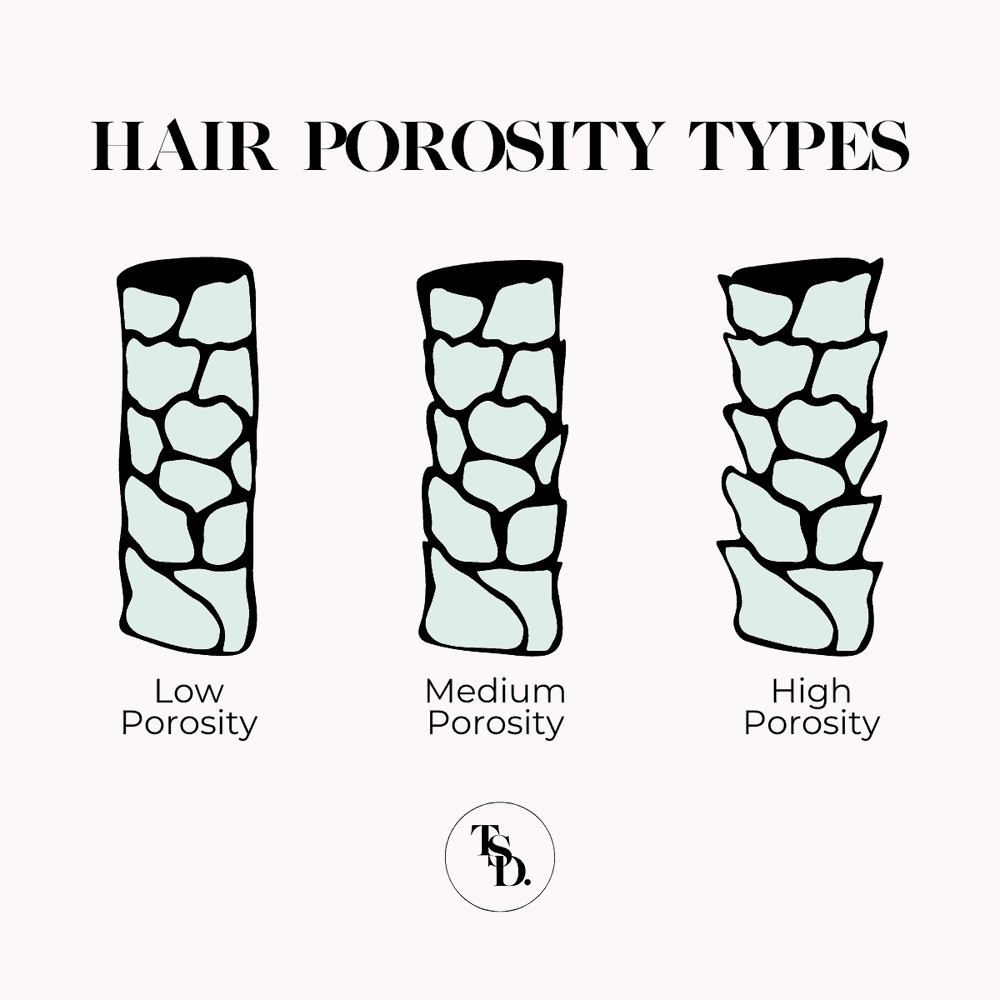
There are three main types of hair porosity:
- Low Porosity Hair: Low porosity hair has tightly closed cuticles that make it difficult for moisture to penetrate the hair shaft. As a result, products often sit on the surface of the hair rather than being absorbed, leading to buildup and potential issues with dryness.
- Medium Porosity Hair: Medium (or normal) porosity hair has a balanced ability to absorb and retain moisture. The cuticles are neither too tightly closed nor too open, allowing moisture to penetrate the hair shaft effectively. Normal porosity hair tends to hold styles well and is less prone to breakage and damage.
- High Porosity Hair: High porosity hair has cuticles that are raised or damaged, allowing moisture to enter and exit the hair shaft easily. While high-porosity hair may absorb moisture quickly, it also tends to lose moisture just as rapidly, leading to dryness and frizz. High porosity hair may feel rough or coarse to the touch and is prone to breakage and split ends.
RELATED: Best Deep Conditioners For High Porosity Hair, According To A Trichologist
What Types Of Natural Oils Can Work Wonders For Low Porosity Hair
Many natural oils can benefit low-porosity hair by helping to moisturize and seal in moisture, despite the hair’s resistance to absorbing water.
Lighter oils like argan oil, grapeseed oil, and jojoba oil can penetrate the hair shaft more easily, providing hydration without weighing down the hair.
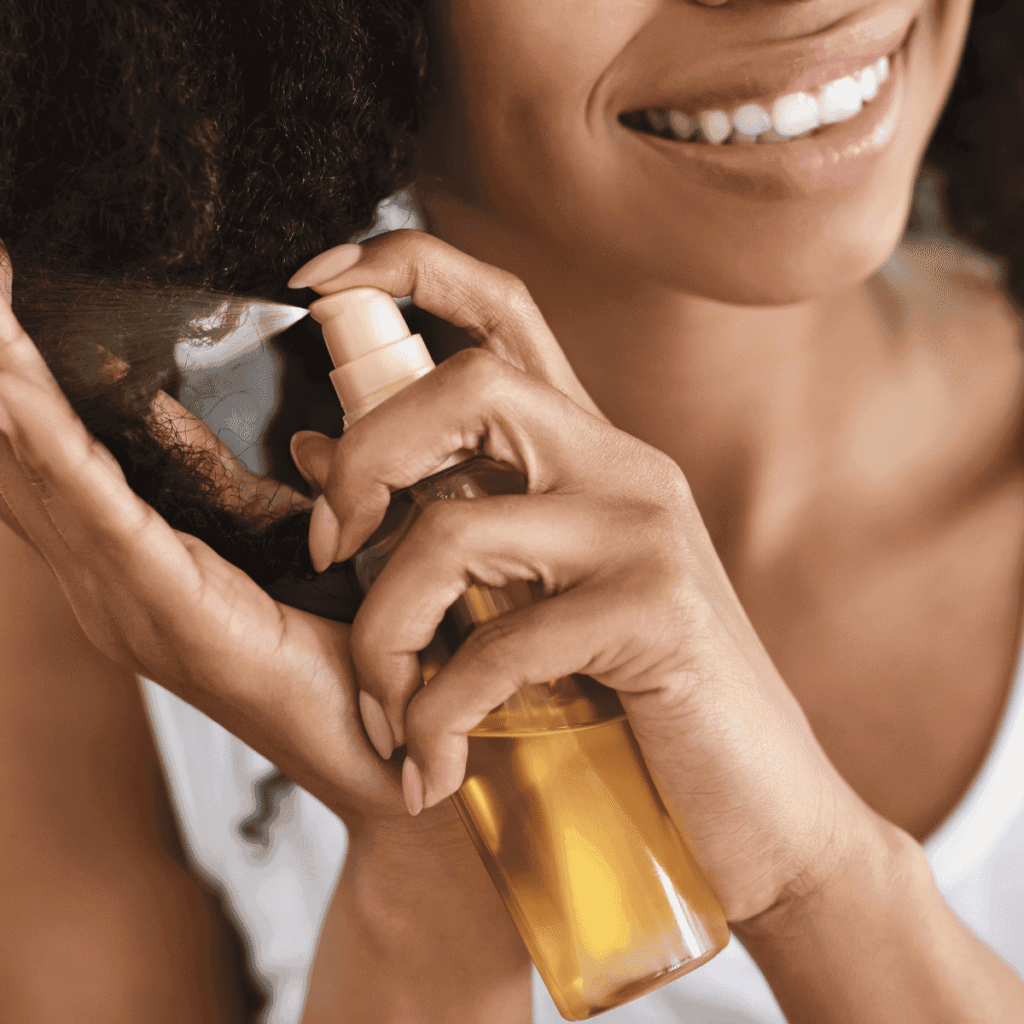
Applying oils to low-porosity hair when it’s damp can help to seal in moisture retention, preventing dryness and breakage.
Additionally, using oils as ‘pre-poo’ treatments or incorporating them into deep conditioning masks can help nourish and strengthen low-porosity hair, but we’ll go into that after exploring 5 of the best oils for low-porosity hair.
Best Oils For Low Porosity Hair
1. Grapeseed Oil: Lightweight Moisture and Protection
Extracted from the seeds of grapes, grapeseed oil is prized for its lightweight texture and high antioxidant content.
Grapeseed oil is often recommended for low-porosity hair due to its lightweight nature and high content of linoleic acid, which can penetrate the hair shaft more easily than heavier oils, which tend to weigh the hair down.
Additionally, grapeseed oil contains vitamin E and other antioxidants that can help nourish and protect the hair.
While there may not be specific scientific studies on grapeseed oil for low-porosity hair, many people with this hair type report positive experiences with grapeseed oil as part of their hair care routine.
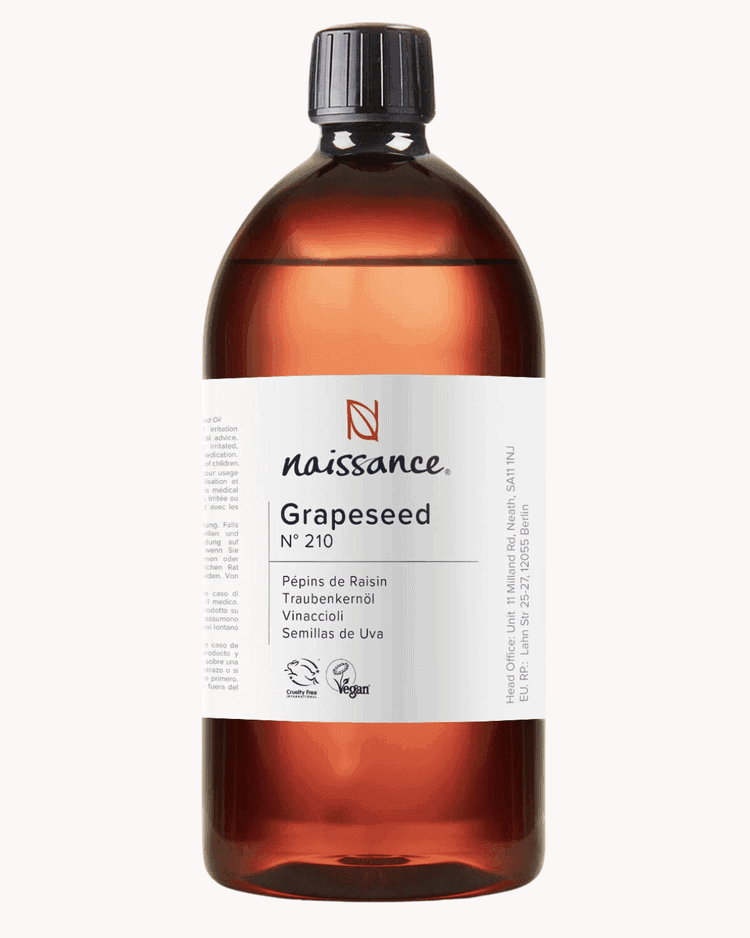
Naissance Grapeseed Oil
2. Argan Oil: Liquid Gold for Nourishment
Argan oil, derived from the kernels of the argan tree native to Morocco, is renowned for its nourishing properties for hair.
Its molecular structure allows it to penetrate the hair shaft effectively, providing much-needed hydration without leaving behind a greasy residue.
Furthermore, argan oil is rich in essential fatty acids, such as oleic and linoleic acids, which help strengthen the hair and improve its elasticity.
These nutrients help to stimulate hair growth by fortifying the hair shaft, reducing the risk of breakage and split ends, common concerns for low-porosity hair.
Additionally, argan oil contains antioxidants like vitamin E, which protect the hair from environmental damage and promote a healthier scalp.
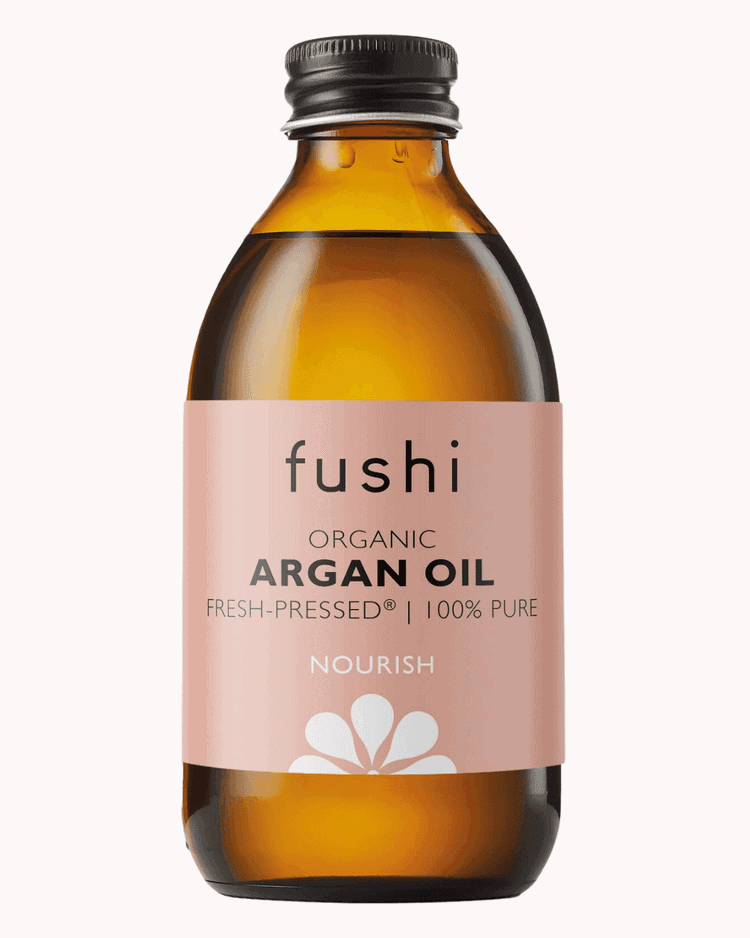
Fushi Organic Virgin Moroccan Argan Oil
3. Jojoba Oil: Mimics Your Scalp’s Natural Oils
Jojoba oil is often compared to wax due to its unique molecular structure and consistency.
While it is technically a liquid wax ester rather than a true oil, it is commonly referred to as jojoba oil.
Jojoba oil is a versatile oil that closely resembles the natural oils (or sebum) produced by your scalp.
This makes it an excellent choice for low-porosity hair, as it helps to balance oil production, moisturize the scalp, and prevent buildup.
Its moisturizing and conditioning properties can also help to improve the overall health and appearance of the hair, including reducing frizz, increasing shine, and enhancing manageability.
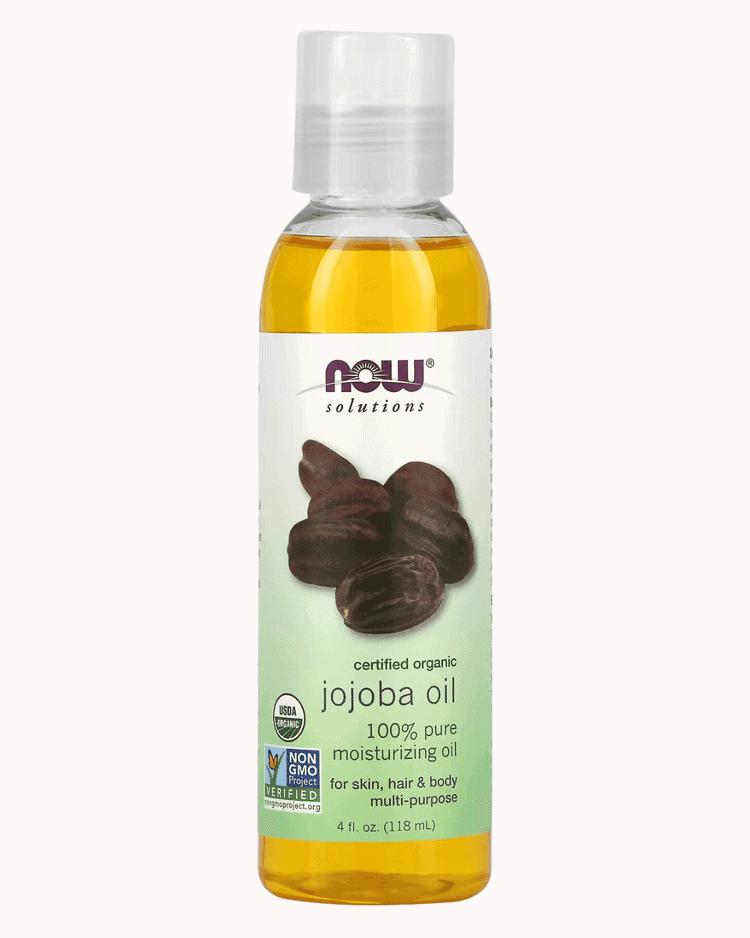
NOW Pure Jojoba Oil
4. Sweet Almond Oil: Softness and Strength
Sweet almond oil is a natural oil derived from the seeds of sweet almonds (Prunus dulcis), which are native to the Middle East and South Asia.
Renowned for its light texture, pale yellow color, and mild, nutty aroma, sweet almond oil is also rich in essential fatty acids, such as oleic acid and linoleic acid, as well as vitamins E and A.
These nutrients contribute to the oil’s moisturizing, nourishing, and protective properties, making it a popular ingredient in skincare and hair care products.
In hair care, sweet almond oil helps smooth the hair cuticle, improve elasticity, and reduce frizz and breakage.
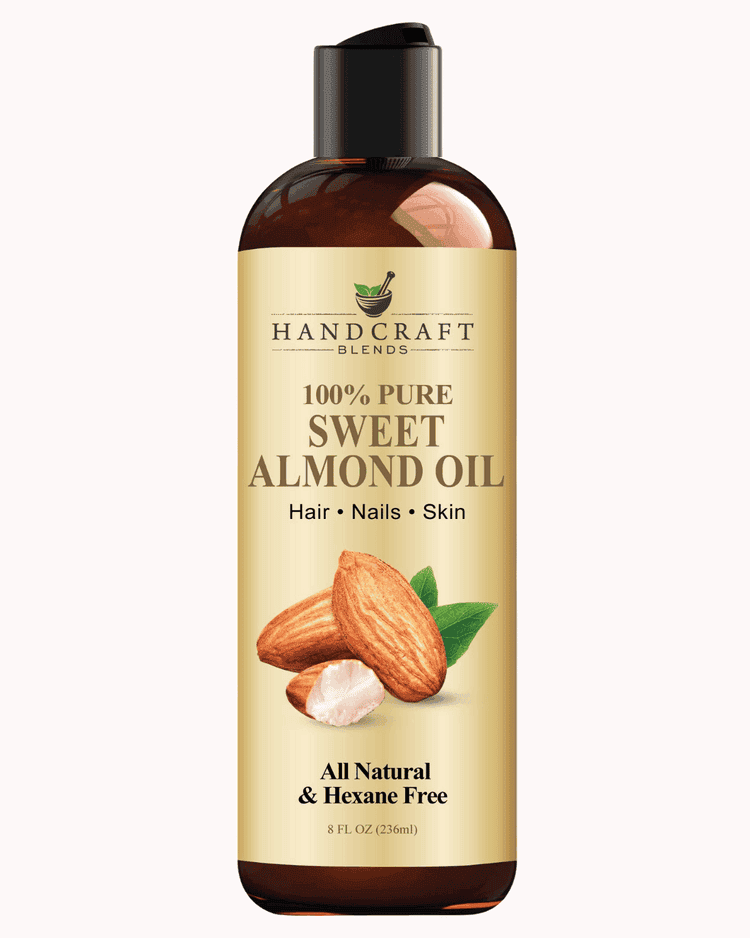
Handcraft 100% Sweet Almond Oil
5. Avocado Oil: Rich Moisture and Nutrients
Avocado oil can offer benefits for low-porosity hair, albeit with some considerations due to its thicker consistency.
While lightweight oils like sweet almond or grapeseed oil are often preferred for low-porosity hair, avocado oil can still be valuable when used sparingly.
Its sealing properties can effectively lock in moisture, helping to maintain hydration within the hair shaft, combating dryness and promoting overall hair health.
Rich in nutrients such as vitamins, minerals, and antioxidants, avocado oil nourishes the hair and scalp, fortifying strands and improving resilience.
This is particularly advantageous for low-porosity hair, which may be prone to brittleness and breakage. Avocado oil’s emollient qualities further contribute to softening and conditioning the hair, enhancing manageability and reducing the risk of damage during styling.
Additionally, its high smoke point makes avocado oil suitable for use as a heat protectant, shielding low-porosity hair from heat damage while styling.
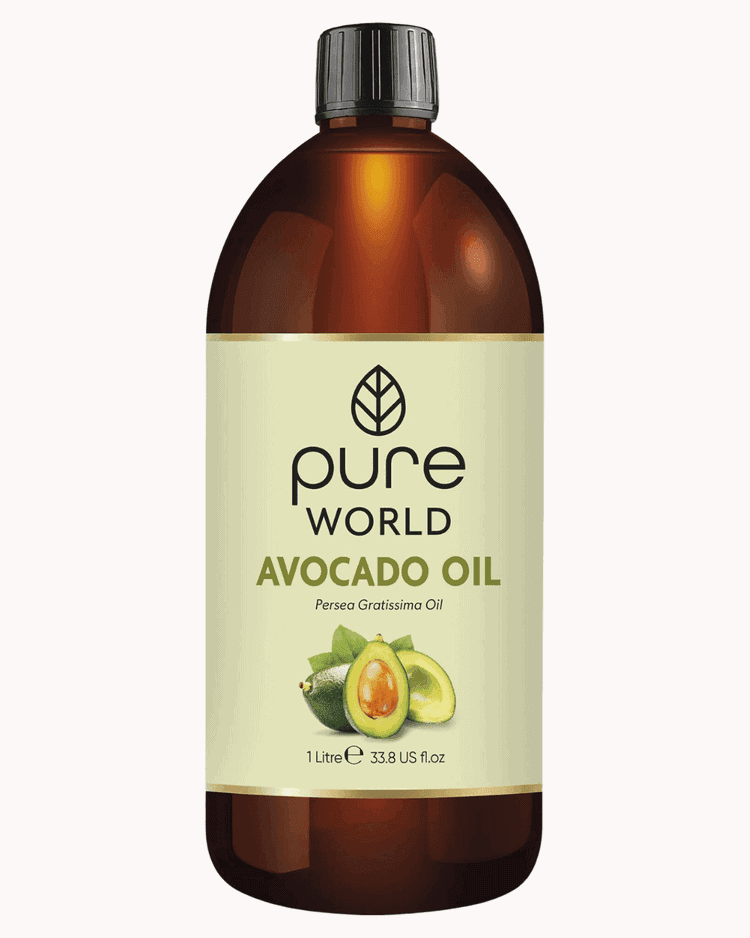
Pure World Avocado Oil
How To Apply Oils To Low Porosity Hair
Now that you’ve chosen the perfect oil for your hair, here are three ways you can incorporate it into your haircare routine.
1. As A Pre-Poo Treatment…
Using oils in your pre-poo routine can help nourish, moisturize, and protect your hair, leaving it soft, shiny, and more manageable.
Here’s a simple step-by-step guide on how to include oils in your pre-poo routine:
Choose the Right Oil: Select an oil or blend of oils that are suitable for your hair type and needs.
- Prepare the Oil Mixture: If you’re using a blend of oils, mix them together in a small bowl or applicator bottle. Consider adding a few drops of essential oils for fragrance or additional benefits, but be cautious with essential oils, as they can be potent and may cause irritation if not properly diluted.
- Apply to Dry Hair: Start with dry, unwashed hair. Divide your hair into sections to ensure thorough application. Take a small amount of the oil mixture and gently massage it into each section of your hair, focusing on the mid-lengths and ends. Avoid applying oil directly to your scalp if you’re prone to oily roots, as it may lead to buildup.
- Cover and Let It Sit: Once you’ve applied the oil to all sections of your hair, cover your hair with a shower cap or plastic wrap to create a barrier and trap heat. This helps to open the hair cuticles and allows the oil to penetrate more effectively. Leave the oil treatment on for at least 30 minutes to an hour, or for even better results, overnight.
- Rinse and Shampoo: After the desired treatment time has passed, wash the oil out of your hair thoroughly using warm water. Follow up with a gentle shampoo to remove any remaining oil residue. You may need to shampoo twice to ensure all the oil is removed, especially if you applied a heavier oil or used a larger quantity.
- Condition as Usual: After shampooing, follow up with your regular conditioner or deep conditioning treatment to restore moisture and further nourish your hair. Allow the conditioner to sit for a few minutes before rinsing it out.
2. As A Deep Conditioner
Using oils as a deep conditioner can be a nourishing treatment for your hair, helping to moisturize, soften, and strengthen it.
Here’s a simple guide on how to use oils as a deep conditioner:
- Choose Your Oil: Select an oil or combination of oils that are suitable for your hair type.
- Preparation: Start by warming the oil slightly to enhance its ability to penetrate the hair shaft. You can do this by placing the oil container in a bowl of warm water for a few minutes or microwaving it for a few seconds (be cautious not to overheat it). Ensure the oil is warm but not too hot to avoid scalp burns.
- Application: Section your hair into manageable parts and apply the warm oil to your scalp, roots, the length of your hair, and a little extra for the ends, which tend to be the most damaged and dry. Use your fingers or a wide-tooth comb to distribute the oil evenly throughout your hair. Massage your scalp gently to stimulate blood flow.
- Cover and Wait: Once you’ve applied the oil, cover your hair with a shower cap or plastic wrap to trap heat and enhance the oil’s penetration. You can also wrap your head with a warm towel for added heat. Leave the oil on your hair for at least 30 minutes to an hour, or for even better results, use a steam cap or leave it on overnight.
- Rinse and Shampoo: After the deep conditioning treatment, rinse the oil out of your hair thoroughly using lukewarm water. Follow up with a gentle sulfate-free shampoo to remove any residue.
- Leave-in Conditioner (Optional): Depending on your hair’s needs, you can follow up with a conditioner to further moisturize and detangle your hair. Choose a conditioner that complements the oil you used for deep conditioning
- Style as Desired: Once your hair is clean and conditioned, you can style it as usual.
Repeat this deep conditioning treatment once a week or as needed, adjusting the frequency based on your hair’s condition and response.
Note: Applying oil to damp hair can significantly enhance the efficacy of deep conditioning treatments. Damp hair is more porous, allowing oils to be absorbed more readily into the hair shaft, delivering moisture and nutrients deep within.
3. As A Sealant…
According to Karen Flowers, one of the best ways to use oils for low-porosity hair is as a sealant.
She recommends first using a liquid-based moisturizer or leave-in conditioner with high levels of humectants in it.
Utilizing humectants such as aloe vera, glycerin, and honey as key ingredients for low-porosity hair aids in retaining moisture by attracting water molecules from the surrounding environment and binding them to the hair shaft.
In humid conditions, humectants draw moisture from the air into the hair, while in dry conditions, they can help prevent moisture loss by holding onto the existing water in the hair.
Then you would use an oil on top to not only add more moisture but also to act as a barrier to seal in that moisturized hair.
Troubleshooting Common Issues
If you’re experiencing these common problems, try these solutions:
Oil not absorbing:
- Apply to damp, not wet, hair
- Use heat to open cuticles
- Reduce the amount used
Hair feeling weighed down:
- Switch to a lighter oil
- Apply only to ends
- Reduce the frequency of application
Product buildup:
- Use a clarifying shampoo monthly
- Focus oil application on mid-lengths to ends
- Avoid heavy oil combinations
Oils To Avoid For Low Porosity Hair
While choosing the right oil is crucial, knowing which ones to avoid is equally important. Here are the oils that could do more harm than good for low-porosity hair:
Coconut Oil
- Too heavy for low-porosity strands
- Can cause protein overload
- Often leads to buildup and dryness
Castor Oil
- Extremely thick consistency
- Difficult to wash out
- Can seal moisture OUT rather than IN
Olive Oil
- Too heavy for low-porosity hair
- Sits on the surface rather than penetrating
- Can make hair appear greasy
Mineral Oil
- Creates an impenetrable barrier
- Prevents moisture from entering the hair shaft
- Can lead to product buildup
For a full list of ALL the oils to avoid if you have low-porosity hair, click here.