

Aloe vera has been sitting in medicine cabinets and kitchen windowsills forever, mostly pulled out for sunburns and the occasional kitchen accident.
But somewhere along the way, the skincare community quietly figured out that it does a lot more than soothe a bad beach day, and oily skin in particular has a lot to gain from it.
PIN FOR LATER 📌

The skepticism makes sense, though. Oily skin and a gel that comes from a plant sound like either a miracle or a complete disaster, and the internet will confidently tell you both.
So let’s actually get into what aloe vera does, why it works so well for oily and congested skin specifically, and how to use it without turning your routine into a DIY science experiment.
What Is Aloe Vera?

First, let’s discuss what this incredible plant even is! And why aloe vera is so popular.
Aloe vera is a succulent plant species that has been widely recognized for its medicinal and cosmetic properties.
Belonging to the Liliaceae family, aloe vera is characterized by its thick, fleshy leaves that contain a gel-like substance.




This gel is rich in bioactive compounds, including vitamins, minerals, amino acids, and antioxidants, which contribute to its numerous health and skincare benefits.
The use of aloe vera dates back thousands of years, with historical records indicating its cultivation for medicinal purposes in ancient Egypt, Greece, and Rome.
The plant is native to North Africa, the Arabian Peninsula, and certain parts of the Mediterranean region but is now cultivated worldwide.
Key Benefits of Aloe Vera:
- Gel-filled Leaves: The inner portion of aloe vera leaves contains a clear, gel-like substance. This gel is commonly used topically for various skin-related purposes.
- Medicinal Properties: Aloe vera is renowned for its medicinal properties, including anti-inflammatory, antimicrobial, and wound-healing effects. It has been traditionally used to treat burns, skin irritations, and other skin conditions.
- Nutrient-Rich Composition: The gel of aloe vera is packed with nutrients such as vitamins (A, C, E, and B12), minerals (calcium, magnesium, and zinc), enzymes, amino acids, and polysaccharides.
- Cosmetic Applications: Aloe vera is a popular ingredient in skincare and cosmetic products due to its hydrating and soothing effects. It is often found in creams, lotions, gels, and even hair care products.
- Adaptability: Aloe vera is known for its hardiness and adaptability, making it easy to cultivate both indoors and outdoors in various climates.
RELATED: This DIY Aloe Vera Sugar Scrub Transformed My Winter Skin!
Does Aloe Vera Clog Pores?
Aloe vera is generally considered non-comedogenic, which means it is unlikely to clog pores, which could lead to acne breakouts.
The gel extracted from the inner part of aloe vera leaves is water-based and has a light consistency.
It is well-absorbed by the skin, providing a hydrating effect without leaving a greasy or heavy residue.
As a result, aloe vera is commonly used to calm and moisturize the skin without contributing to pore blockages.
What Is Oily Skin?
Of course, you’re reading this because you are wondering how aloe vera can help oily skin, but let’s explore what characterizes the ‘oily’ skin type and what factors can influence oily skin in the first place.
Oily skin is a skin type characterized by an overproduction of sebum, the natural oil produced by the skin’s sebaceous glands.
Sebum is essential for maintaining skin health, as it helps to moisturize and protect the skin.
However, an excess of sebum can lead to oily skin, which is associated with certain characteristics and challenges.
Here are some key features of oily skin:
- Excess Sebum Production: Oily skin occurs when the sebaceous glands produce more sebum than the skin needs. This excess oil can give the skin a shiny or greasy appearance.
- Enlarged Pores: The pores on oily skin are often more noticeable and may appear larger. The excess oil can contribute to clogging the pores, leading to issues such as blackheads and acne.
- Prone to Acne: Oily skin is more prone to acne and other skin blemishes. The excess oil can mix with dead skin cells and bacteria, leading to the formation of pimples, whiteheads, and blackheads.
- Shiny Complexion: Oily skin tends to have a shiny or glossy appearance, especially in the T-zone (forehead, nose, and chin).
- Makeup Challenges: People with oily skin may find that makeup doesn’t stay in place as well throughout the day. The excess oil can cause makeup to slide off the skin or appear uneven.
- Genetic and Hormonal Factors: Genetics and hormones play a role in determining skin type. Oily skin can be influenced by hormonal changes, such as those that occur during adolescence, pregnancy, or menstruation.
Environmental Factors: Factors like humidity and hot weather can exacerbate oily skin, leading to increased oil production.
RELATED: 8 Aloe Vera Face Mask Recipes For Refreshed Skin
Ways To Use Aloe Vera For Oily Skin

Aloe vera has numerous benefits for the skin and can be used in various ways. Here are five easy ways you can use aloe vera for oily skin:
- Aloe vera gel as a moisturizer: Apply a thin layer of aloe vera gel on your face after cleansing and toning. This lightweight gel will provide the required moisture without clogging your pores.
- Aloe vera face mask: Mix aloe vera gel with other ingredients like lemon juice or cucumber juice to create a homemade face mask. Lemon juice has astringent properties that can help control excess oil, while cucumber juice soothes and cools the skin. Apply the mask on your face and leave it on for about 15-20 minutes before rinsing off with lukewarm water.
- Aloe vera toner: Dilute aloe vera gel with water and use it as a toner. Aloe vera’s natural astringent properties can help tighten your pores and control the production of sebum. Apply the toner on a cotton pad and gently swipe it across your face after cleansing.
- Aloe vera spot treatment: If you have specific oily areas on your face, such as the T-zone, you can apply a small amount of aloe vera gel directly to those areas. It will help control shine and reduce excess oil production in those targeted areas.
- Aloe vera-infused skincare products: Look for skincare products that contain aloe vera as one of the main ingredients. These products, such as moisturizers, cleansers, or serums, can be incorporated into your daily skincare routine to manage oily skin effectively.
NOTE: Remember to do a patch test before using aloe vera on your face, as some individuals may be allergic or sensitive to this ingredient. It’s also essential to consult with a dermatologist if you have any underlying skin conditions or if you experience any adverse reactions.
Shop Our Favorite Aloe Vera Skincare Products
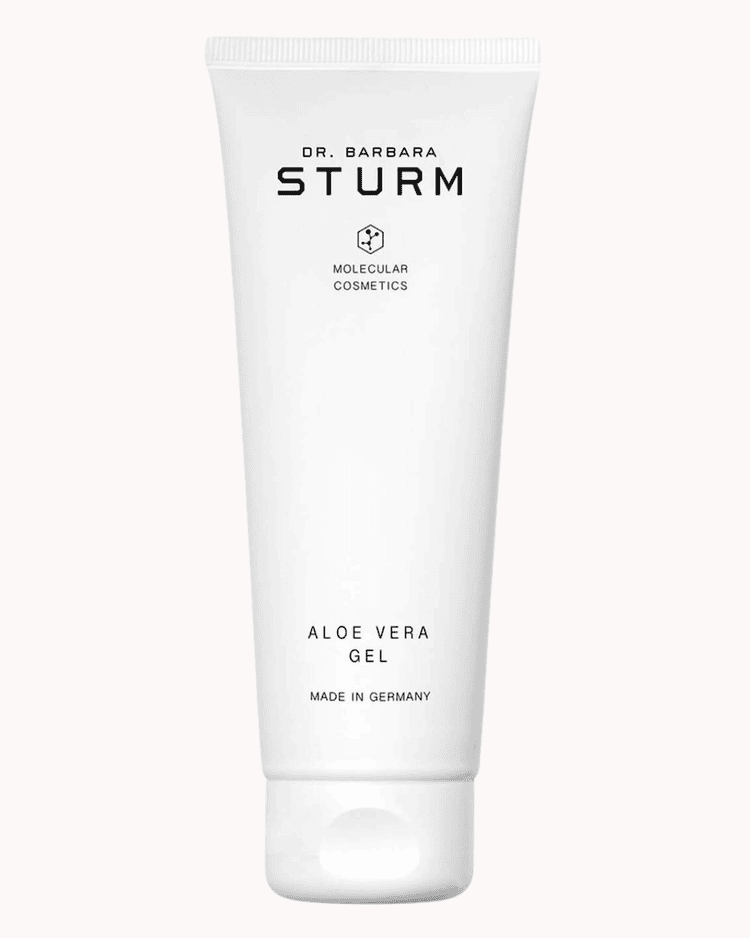
Dr Barbara Sturm Aloe Vera Gel
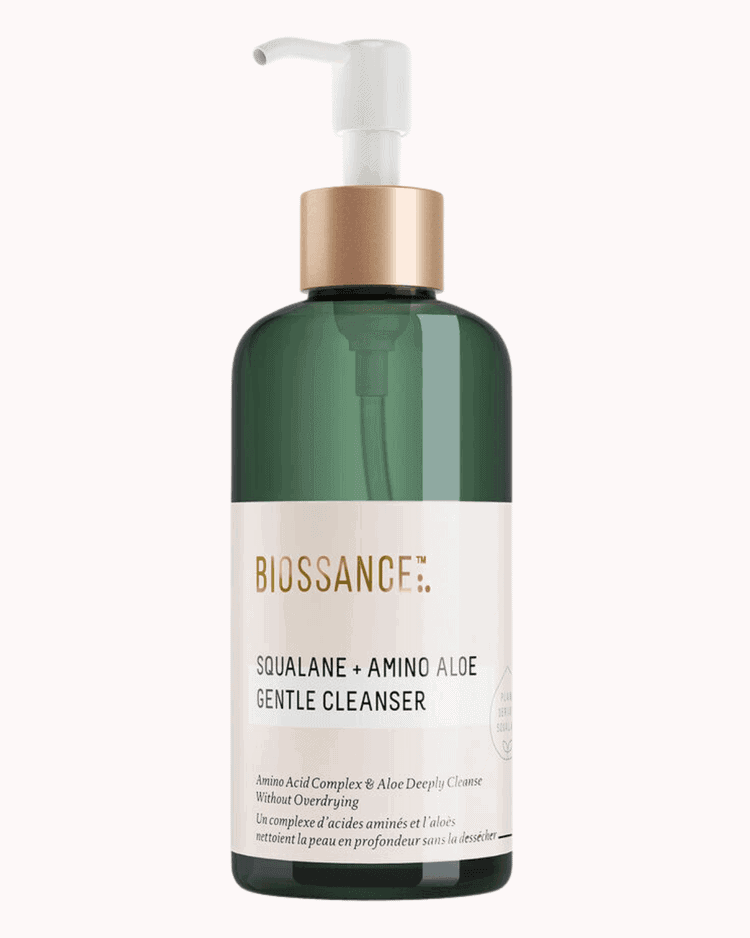
Biossance Squalane and Amino Aloe Gentle Cleanser
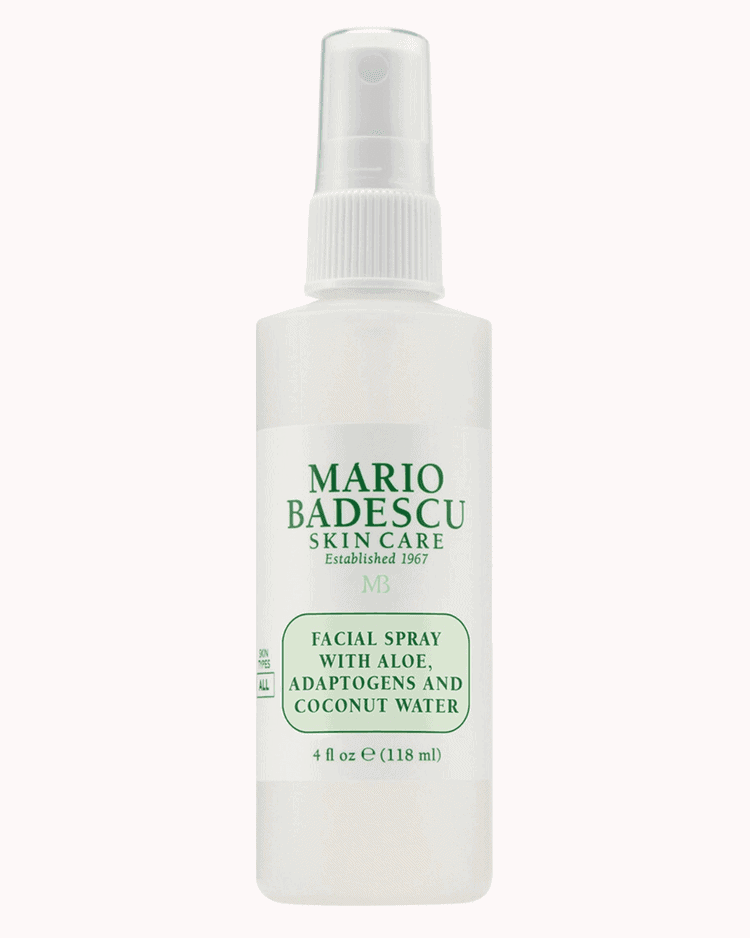
Mario Badescu Aloe Facial Spray
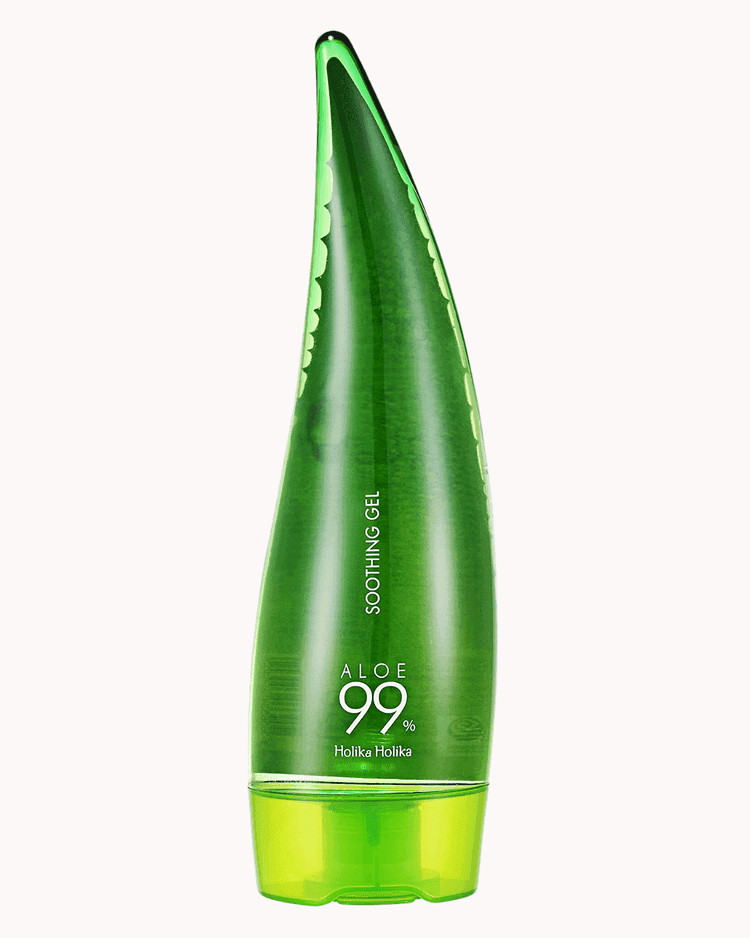
Holika Holika Aloe 99% Soothing Gel
READ NEXT: