If you have 4C low porosity hair, you’ve probably heard every piece of hair advice in the book… and most of it was written for someone else’s hair.
Tight coils already make it harder for moisture to travel from root to tip, and when your cuticles are sealed shut too, even the richest butter can end up sitting on top like a very expensive coating. (Wash day, shall we say, becomes a full-time job.)
The upside? Once you understand how porosity and coil pattern work together, building a routine gets so much simpler.
You’ll see why water-based products and a little heat make such a difference, why heavy oils that weigh you down leave your coils greasy but still dry, and why your hair might not need as much protein as you’ve been told.
Below, I’m breaking down how to care for 4C low porosity hair, from wash day to styling, plus the products worth adding to your routine.
What Makes 4C Low Porosity Hair Different
“4C” describes your curl pattern: tight, densely packed coils with a lot of shrinkage. “Low porosity” describes how easily your hair absorbs moisture.
They’re two separate things, so not all 4C hair is low porosity, and plenty of low porosity hair isn’t 4C.
When the two show up together, though, they create a double challenge. Every bend in a tight coil is a spot where the cuticle can lift and moisture can escape, and natural oils from your scalp have a hard time traveling down the strand.
Add tightly sealed cuticles on top, and you get hair that struggles to let water in and struggles to keep it once it’s there.
That’s why 4C low porosity hair often feels dry, even when your shelf is full of moisturizing products.
RELATED POSTS:

Humectants for Low Porosity Hair: What They Are and How to Use Them
The 4 Best Gels for Low Porosity Hair (Hold Without the Crunch)

Low vs. High Porosity Hair: Signs, Tests, and the Best Routine for Each
7 Best Deep Conditioners for Low-Porosity Hair That Actually Absorb

How to Moisturize Low Porosity Hair (Without the Greasy Buildup)

Is Coconut Oil Good for Low Porosity Hair? Here’s What You Need to Know
Signs Your 4C Hair Is Low Porosity
Not sure which porosity you have? My guide to high vs. low porosity hair walks through every test, but here are the telltale signs on 4C coils:
- Water beads on your hair in the shower, and it takes a while to fully saturate.
- Your hair takes hours (or a full day) to air-dry, especially in a protective style.
- Creams and butters leave a white cast or film instead of sinking in.
- Your coils feel dry and crunchy, yet your scalp gets greasy quickly.
- Protein treatments leave your hair stiff or prone to snapping.
- Hair color takes longer than expected to process.
A Wash Day Routine for 4C Low Porosity Hair
Wash day doesn’t have to swallow your whole Saturday. Here’s a streamlined routine that works with your hair instead of against it:
- Pre-poo: Apply a light oil or conditioner to dry hair for 15 to 30 minutes to protect your coils from feeling stripped. (Here’s my full guide to pre-poo for low porosity hair.)
- Wash in sections: Split your hair into four to six sections and cleanse each one with warm water and a gentle, sulfate-free shampoo. Sections mean fewer tangles and better coverage.
- Clarify every few weeks: Swap in a clarifying shampoo every two to four weeks to clear the buildup that 4C coils love to hold onto.
- Deep condition with heat: Apply a lightweight deep conditioner, cover with a plastic cap, and sit under a hooded dryer or heat cap for 20 to 30 minutes.
- Detangle gently: Use your fingers or a wide-tooth comb while the conditioner is still in, working from ends to roots.
- Rinse with lukewarm water: Skip the icy rinse. Lukewarm water is enough, and low porosity hair doesn’t need extra help closing its cuticle.
How to Keep 4C Low Porosity Hair Moisturized
The biggest shift for most people is going lighter. Try these swaps:
- Apply products to wet hair: Water is the best moisturizer, so seal it in while your coils are still soaking wet.
- Use the LCO method: Layer a water-based leave-in (liquid), a light cream, then a few drops of oil. Putting oil last keeps it from blocking your cream.
- Choose humectants: Glycerin, aloe, and honey help pull water into your strands. In very dry winter air, cut back on glycerin if your hair starts to feel crunchy.
- Refresh, don’t pile on: Midweek, mist with water or a light leave-in spray instead of adding more cream on top of yesterday’s product.
- Steam it: A hair steamer or a warm, damp towel under a plastic cap gives products a better chance of sinking in.
Protective Styles and Low-Manipulation Tips
Less handling means less breakage, and 4C coils are delicate at every bend. Twists, braids, buns, and easy afro styles all help retain length. A few things to keep in mind:
- Moisturize before you style: Apply your leave-in and cream to damp hair before twisting or braiding.
- Don’t leave styles in too long: Buildup collects fast on low porosity hair, so take down protective styles every four to six weeks and do a clarifying wash.
- Go easy on the edges: Avoid styles that pull tightly at your hairline.
- Protect at night: A satin bonnet or pillowcase reduces friction while you sleep. Here’s more on how to protect curly hair at night.
Best Products for 4C Low Porosity Hair
You don’t need a cabinet full of products, just one good option for each step. Here’s a complete lineup, from wash day to styling.
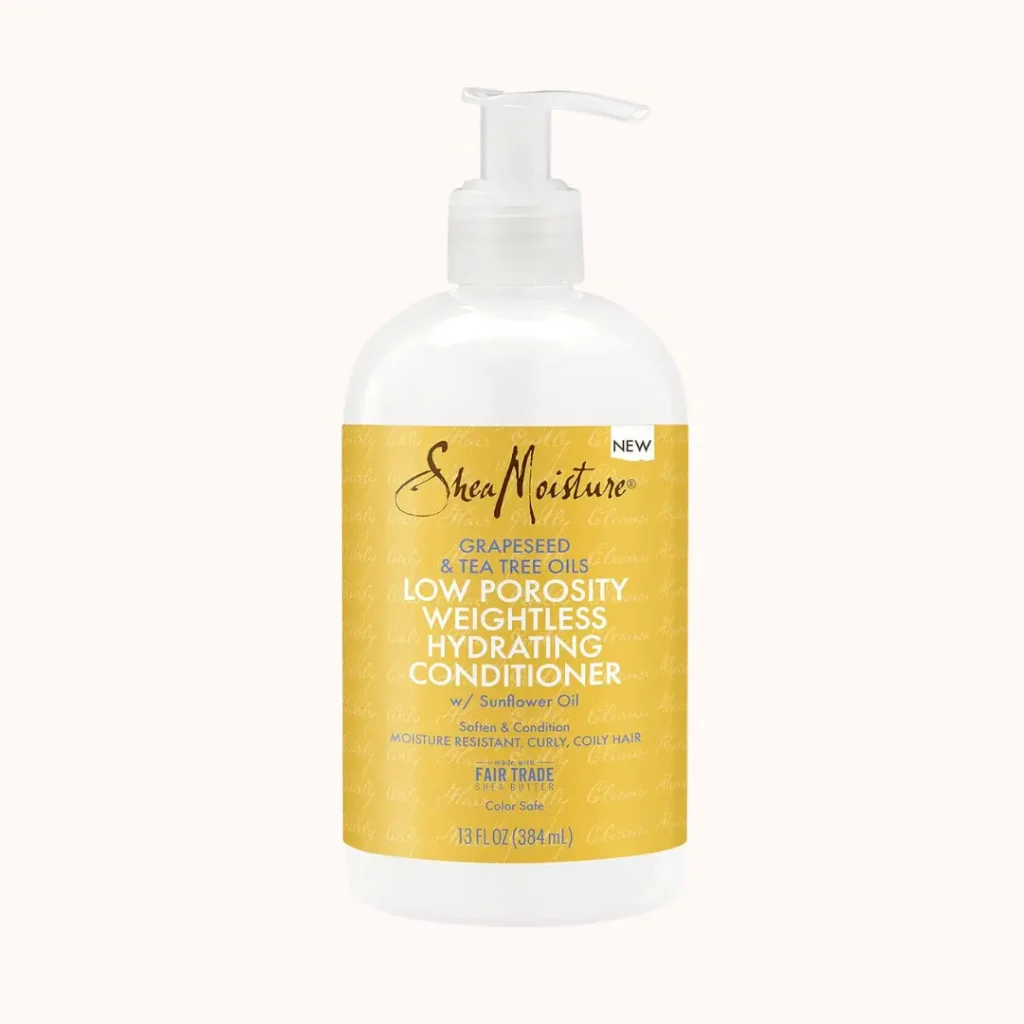
1. Best Shampoo: SheaMoisture Low Porosity Weightless Hydrating Shampoo
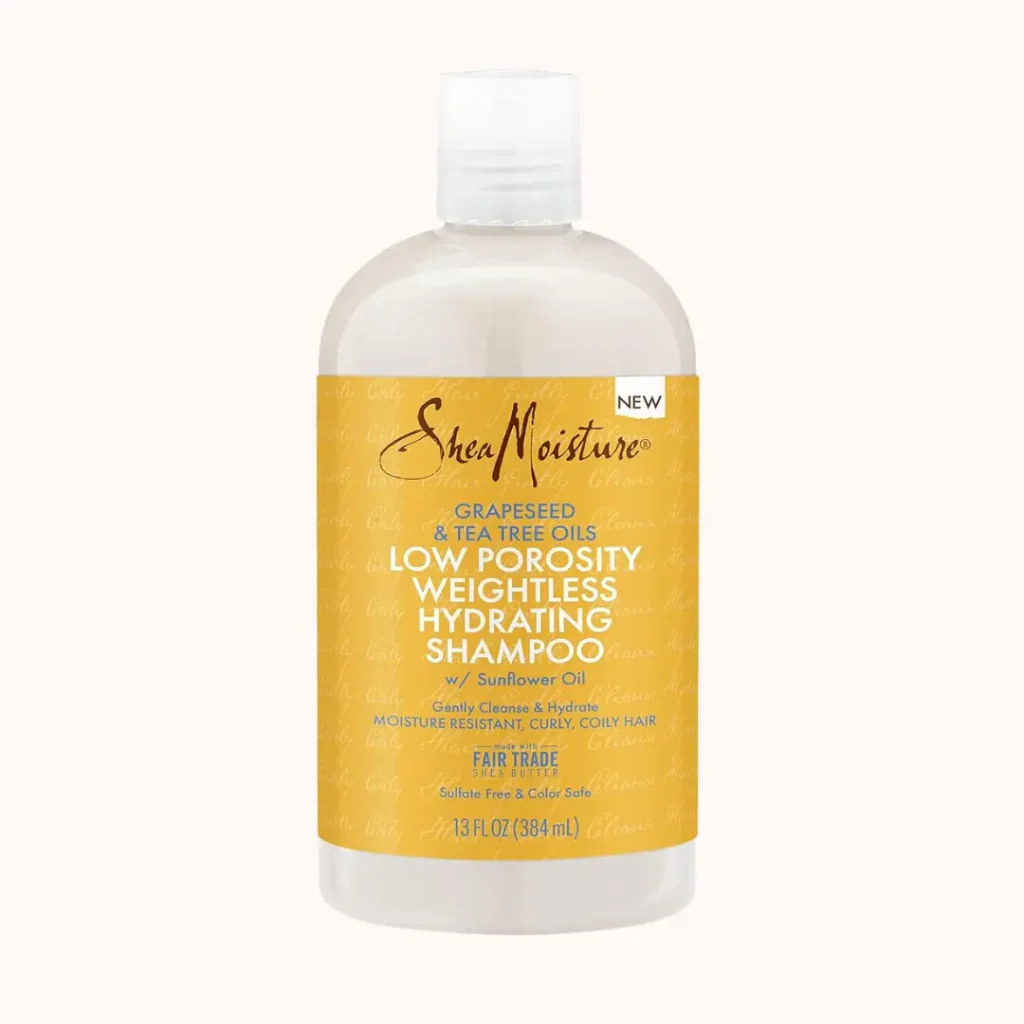
This one was made specifically for moisture-resistant hair. SheaMoisture describes it as a sulfate-free formula that removes product buildup while staying gentle, and it’s designed for low-porosity, protein-sensitive curls and coils. It’s blended with grapeseed, tea tree, and sunflower oils, so your coils come out clean without that squeaky, stripped feeling.
Why it works for 4C low-porosity hair: It clears buildup and hydrates in one step, which means fewer wash-day products to juggle.
2. Best Leave-In: Kinky-Curly Knot Today
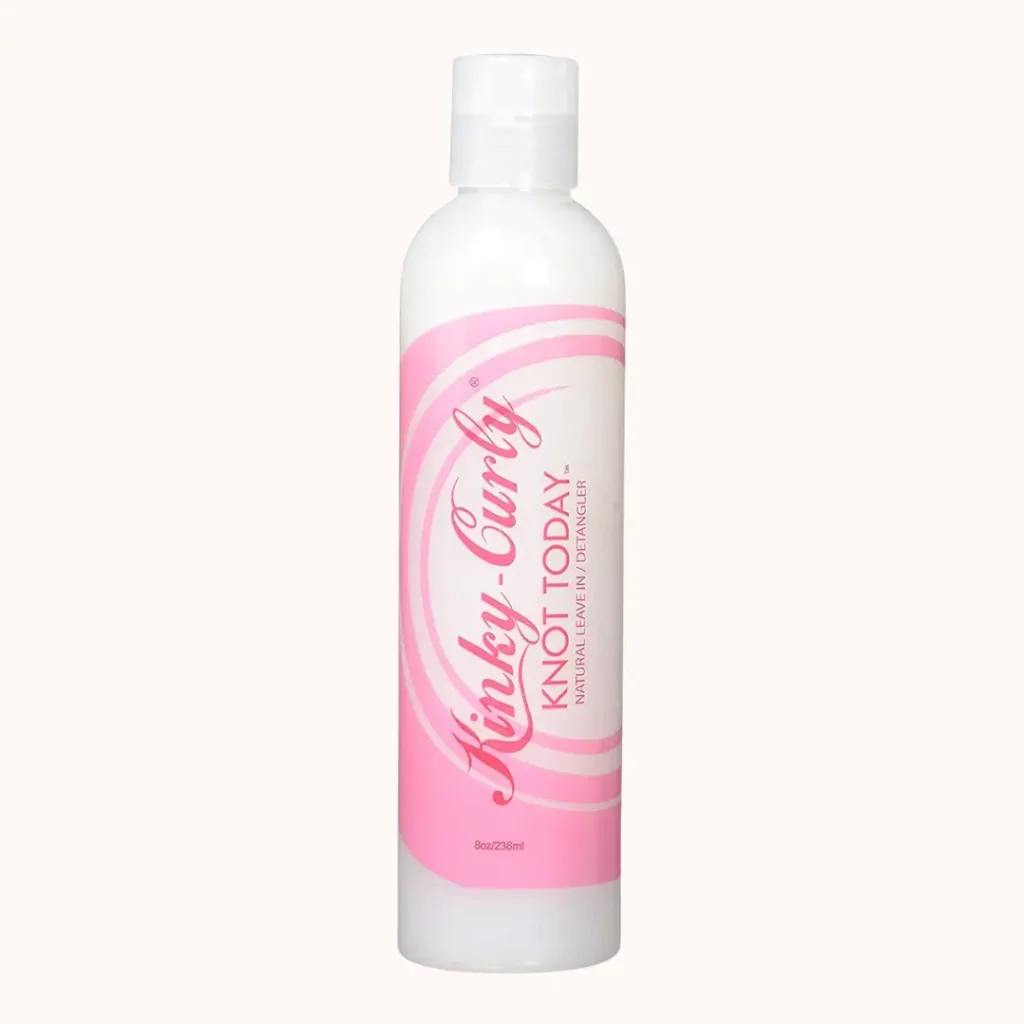
If detangling 4C coils feels like a full-body workout, meet your new favorite shortcut. This leave-in is protein-free and skips oils and glycerin entirely, relying on mango extract, slippery elm, and marshmallow root for serious slip. It’s light enough to sink in rather than sit on top, though you’ll want to layer a cream over it for longer-lasting moisture.
Why it works for 4C low-porosity hair: It detangles beautifully without adding weight or buildup.
3. Best Moisturizer: Camille Rose Curl Love Moisture Milk
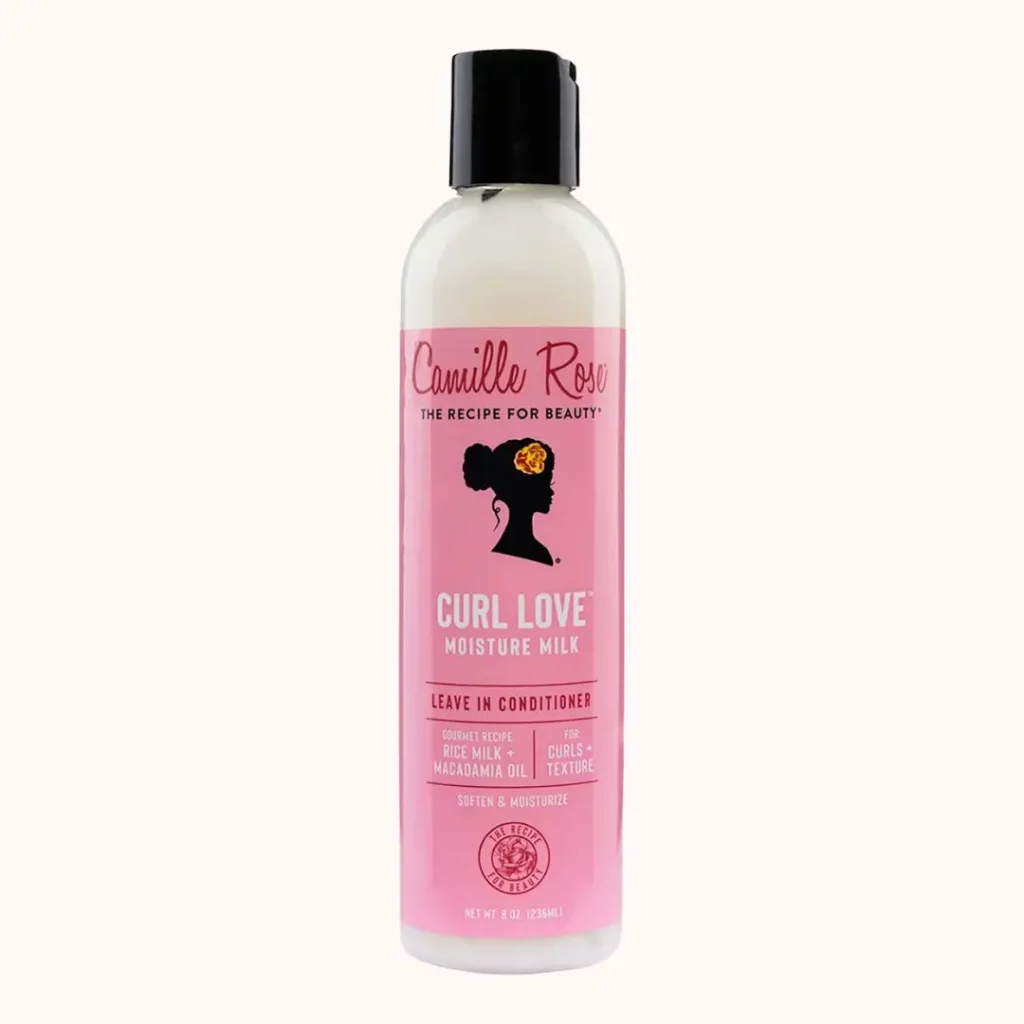
This fan favorite is a softening leave-in cream made with rice milk and macadamia oil, plus avocado oil, aloe, and slippery elm. The milky texture absorbs more easily than a thick butter, which makes it a natural fit for the “cream” step of the LCO method. It also doubles as a midweek refresher when your coils start feeling dry. (Formulas vary slightly by retailer, and some newer versions include a small amount of rice protein, so check the label if you’re protein-sensitive.)
Why it works for 4C low-porosity hair: Moisturizing without being heavy and easy to reapply between wash days.
4. Best Gel: Kinky-Curly Curling Custard
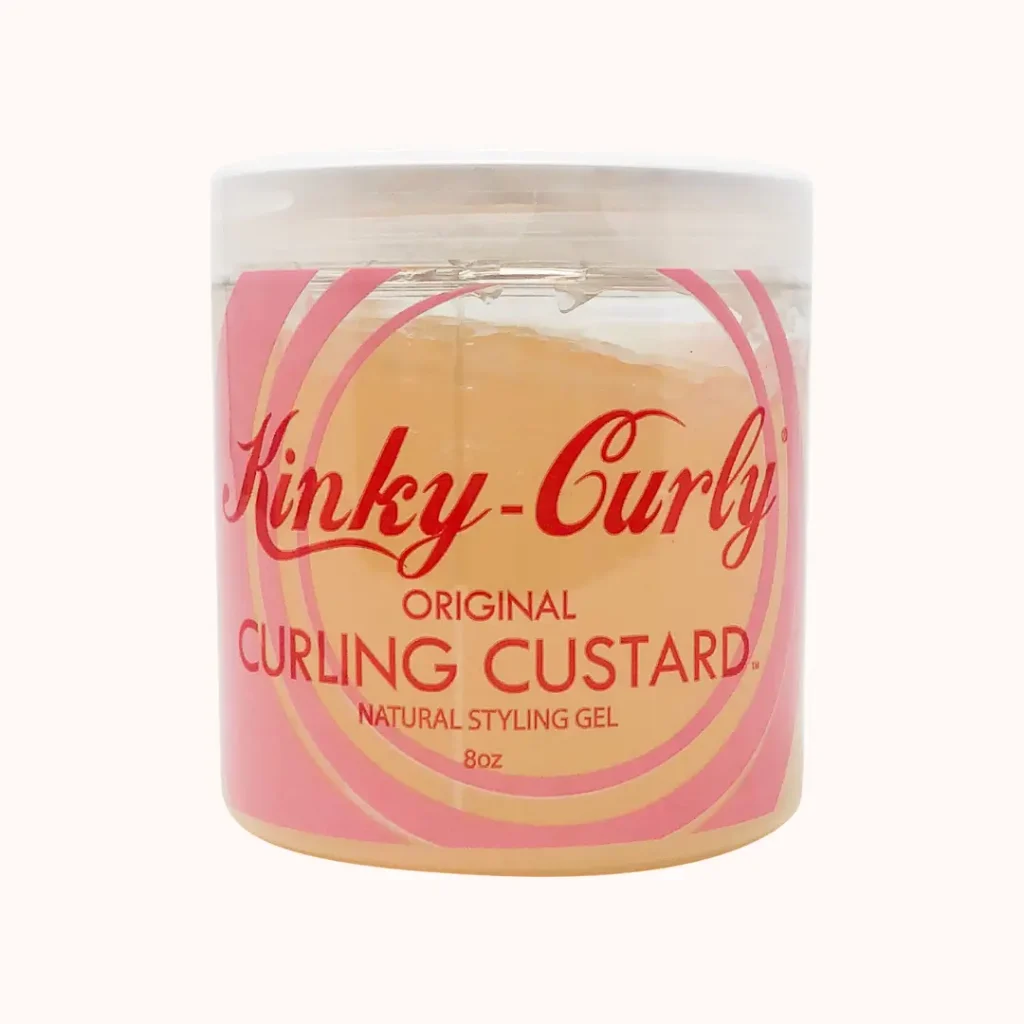
Definition without the crunch? Yes, please. This custard is built on a botanical water infusion with aloe vera juice and agave nectar, and there are no oils or butters to weigh your coils down. Apply it over Knot Today on soaking-wet hair for wash-and-gos or twist-outs with real hold.
Why it works for 4C low-porosity hair: Water-based and humectant-rich, so it defines without creating a film.
5. Best Deep Conditioner: As I Am Hydration Elation Intensive Conditioner
Designed for coils and curls, this protein-free treatment blends coconut, sugar cane, green tea, apple, and lemon extracts with shea butter. The brand recommends wearing a plastic cap for 15 to 30 minutes, or sitting under a warm hood dryer for a more intense treatment, which is exactly what low porosity hair needs. If coconut oil doesn’t agree with your hair, patch test first.
Why it works for 4C low-porosity hair: Zero protein and made to be used with heat.
Bonus: A Heat Cap
If you buy one tool this year, make it a heat cap or hooded dryer.
Sitting under gentle heat during deep conditioning helps lift your cuticles so products can actually sink in, and it lets you multitask instead of being chained to a dryer chair.
For more styling options, see my roundup of the best curl creams for low porosity hair.
Common Mistakes to Avoid
- Piling on heavy butters: More product doesn’t equal more moisture. Thick butters and pomades usually just sit on top of low porosity coils.
- Skipping clarifying: Buildup blocks moisture, so a regular clarifying wash isn’t optional.
- Applying products to dry hair: Without water underneath, creams and oils have nothing to seal in.
- Overdoing protein: Strengthening treatments can leave low porosity hair stiff and brittle. Here’s how to tell whether your hair needs protein.
- Using heavy oils as moisturizers: Oils seal, they don’t hydrate. Stick to a few drops of a light oil, and steer clear of these oils to avoid for low porosity hair.
- Rushing deep conditioning: Five minutes without heat won’t do much. Give it 20 to 30 minutes under a heat cap.
The Bottom Line
Caring for 4C low porosity hair comes down to working with both your coil pattern and your cuticles: warmth to help moisture in, lightweight water-based products, gentle handling, and regular clarifying to keep buildup away.
Once you swap heavy butters for lighter layers, your coils will feel softer, hold moisture longer, and finally respond to the products you’re putting in.
TBH, that’s a wash day worth looking forward to.
PIN FOR LATER 📌