
Coconut oil is practically a legend in the natural hair world.
It’s been passed down through generations, backed by science, and stocked in millions of bathroom cabinets worldwide.
So it feels almost controversial to say this, but if you have low-porosity hair, coconut oil might not be your friend.
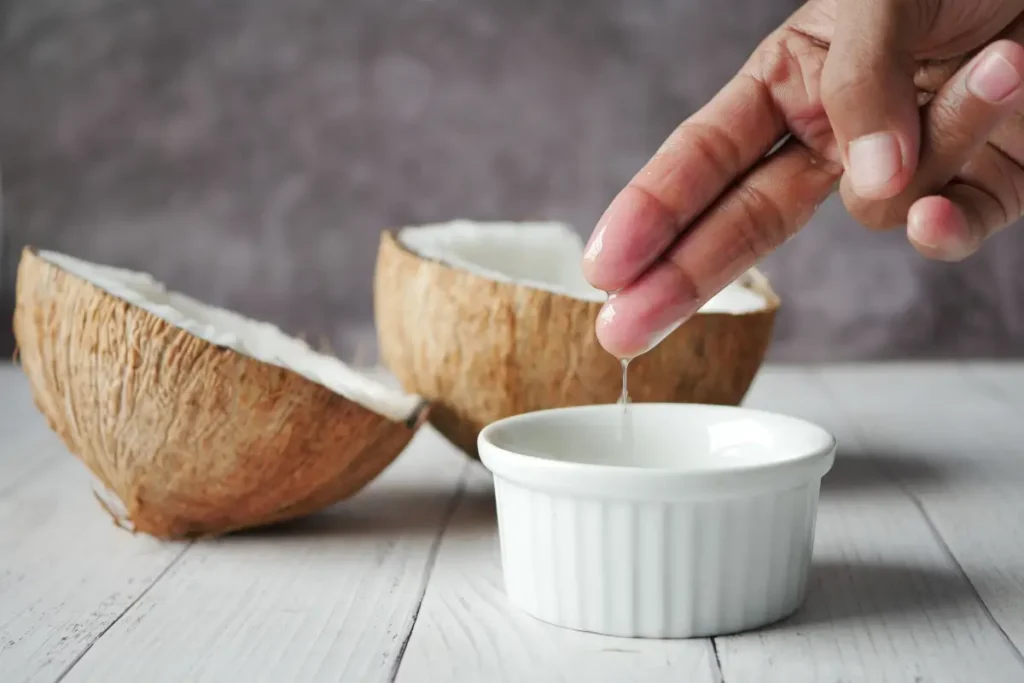
Coconut oil isn’t inherently bad, though.
A landmark study published in the Journal of Cosmetic Science found that it’s one of the only oils capable of penetrating the hair shaft, reducing protein loss by up to 39% in damaged hair.
The problem is that what makes it so effective for some hair types is exactly what makes it problematic for low-porosity hair.

Those tightly closed cuticles already resist moisture absorption, and an oil that binds strongly to hair proteins can trigger buildup, blocked moisture, and protein overload that leaves strands dry, stiff, and brittle.
Before you throw out your coconut oil entirely, though, there’s more nuance to it.
Read on for everything you need to know, including when it might still have a place in your routine and what to use instead.
What Is Low Porosity Hair?
Before we get into coconut oil specifically, it helps to understand what low-porosity hair actually means.
Hair porosity refers to how well your hair absorbs and retains moisture, and it comes down to the structure of your cuticle layer, the outermost part of the hair strand.

Low porosity hair has cuticles that lie very flat and close together.
This sounds like a good thing, and in some ways it is, but it also means that moisture, water, and products struggle to get in.
You might notice that water beads up on your hair rather than absorbing quickly, or that products tend to sit on top of your strands instead of soaking in.

If deep conditioning feels like it does nothing, low porosity is likely why.
It’s a hair type that needs a very specific approach, and that includes being selective about which oils you use.
Why Coconut Oil Is Problematic for Low Porosity Hair
There are three main reasons coconut oil and low-porosity hair don’t mix well.
1. Protein Overload
This is the big one. Coconut oil has a strong affinity for hair proteins, specifically keratin, which is why that Journal of Cosmetic Science study found it so effective at reducing protein loss. But low-porosity hair is already protein-sensitive. When you add an oil that essentially locks protein into the strand, you can end up with more protein than your hair can handle. The result? Hair that feels hard, straw-like, and brittle rather than soft and moisturized.
2. Product Buildup
Because low porosity cuticles are so tightly packed, coconut oil struggles to actually penetrate the hair shaft the way it does with other hair types. Instead, it sits on the surface, building up over time and leaving hair looking greasy, weighed down, and dull. That buildup also creates a barrier that makes it even harder for moisture to get in, which is the last thing low-porosity hair needs.
3. Moisture Blockage
Low porosity hair already has a hard time absorbing moisture. Coconut oil sitting on top of the cuticle makes that problem worse, not better. Instead of sealing in hydration, it ends up locking it out entirely, which is why so many people with low-porosity hair notice their hair feeling drier after using coconut oil, not more moisturized.
The One Exception: Using Coconut Oil as a Pre-Poo
Here’s where the nuance comes in. Coconut oil is not completely off the table for low-porosity hair, but how and when you use it matters a lot.
As a pre-poo treatment, meaning applied to dry hair before shampooing, coconut oil can actually be beneficial.
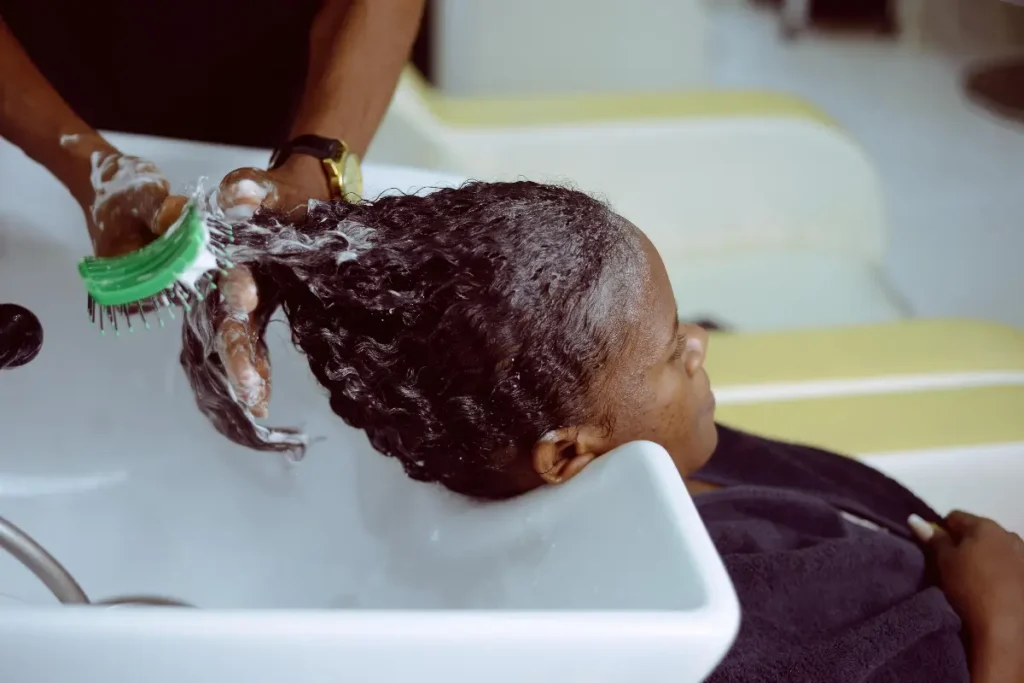
Used this way, it helps minimize protein loss during washing without having the chance to build up on the hair or block moisture absorption, because you’re washing it out shortly after.
The key is applying it sparingly, focusing on the ends, and making sure you follow up with a clarifying or moisturizing shampoo to remove it fully.
This is the one scenario where coconut oil and low-porosity hair can coexist. Outside of this, it’s best kept off your strands.
Better Oil Alternatives for Low Porosity Hair
The good news is that there are plenty of oils that work beautifully with low-porosity hair.
The ones to look for are lightweight, fast-absorbing oils with smaller molecular structures that can actually get through those tightly closed cuticles.
- Jojoba Oil Jojoba is technically a liquid wax, and its molecular structure closely mimics the scalp’s natural sebum. It absorbs easily without buildup, making it one of the best oils for low-porosity hair.
- Grapeseed Oil Lightweight, non-greasy, and fast-absorbing, grapeseed oil is a go-to for low-porosity hair. It adds shine without weighing strands down and won’t cause the buildup that heavier oils do.
- Argan Oil Rich in fatty acids and vitamin E, argan oil is light enough to penetrate low porosity cuticles without sitting on the surface. It adds moisture, reduces frizz, and improves overall hair health without the protein concerns that come with coconut oil.
- Sweet Almond Oil Another lightweight option that absorbs well and adds softness without heaviness. Great for sealing in moisture after a conditioning treatment.
RELATED: Got Low Porosity Hair? These Are The Best Oils To Use!
How to Build a Low Porosity Hair Care Routine
Getting low-porosity hair right is really about working with your cuticles rather than against them. A few things that help:
Use heat when deep conditioning. Warmth helps raise the cuticles temporarily, allowing moisture to actually penetrate. A steamer, a warm towel, or even a shower cap and some time near a warm environment all work.
Clarify regularly. Buildup is the enemy of low-porosity hair, so using a clarifying shampoo every few weeks is essential to keep the cuticle clear and receptive.
Choose lightweight, water-based products. Heavy creams and butters behave similarly to coconut oil on low-porosity hair. Look for products where water is the first ingredient.
Apply products to damp hair. Low porosity hair absorbs better when it’s already wet, so always apply oils and leave-ins immediately after washing while hair is still damp.
LOVE IT? PIN IT! 📌
Frequently Asked Questions
Sparingly, and only as a pre-poo treatment before shampooing. Regular use as a styler or leave-in is not recommended for low-porosity hair types.
Try the float test. Drop a clean strand of hair into a glass of water. If it floats for a long time before sinking, or doesn’t sink at all, you likely have low-porosity hair. You can also pay attention to how your hair behaves with products. If things tend to sit on top of your hair rather than absorbing in, low porosity is a strong possibility.
Over time you may notice increased dryness, brittleness, and breakage as a result of protein overload and product buildup. Your hair may also feel hard or straw-like rather than soft and pliable.
No. Low porosity is simply a hair type, not a sign of damage. It just requires a specific approach to moisture and product selection to thrive.
Beyond coconut oil, heavy oils like castor oil, shea butter, and olive oil can also cause buildup on low-porosity hair. Check out our full guide to oils to avoid for low porosity hair for the complete list.