
The bleached hair and keratin treatment question comes up constantly, and the answers are frustratingly vague.
Stylists hedge, Reddit threads contradict each other, and somehow you end up more confused than when you started. So let’s actually talk about it.
Can you do a keratin treatment on bleached hair? Technically, yes. Should you? That depends on about five different factors your stylist needs to assess before anyone picks up a brush.
PIN FOR LATER 📌
Because while a keratin treatment can genuinely transform dry, frizzy, over-processed hair, applying one to bleached strands without the right conditions is the kind of decision that ends with an emergency trim and a hard lesson learned.
The thing is, when the timing is right and your hair is in a position to handle it, a keratin treatment can be one of the most transformative things you do for bleached hair.
It smooths, strengthens, and adds back a lot of what the bleaching process takes out. The key is knowing exactly where your hair stands before you commit.
This guide covers everything: how keratin treatments interact with bleached hair, the signs your hair is or isn’t ready, what to ask your stylist, and how to protect your hair through the process and beyond.
First, let’s talk about what bleaching actually does to your hair
Bleach works by penetrating the hair shaft and breaking down melanin, which is the pigment that gives your hair its natural color. That process is inherently disruptive.
To lift color, bleach has to break through the hair’s protective cuticle layer and alter the internal structure of the strand. The lighter you go, the more aggressive that process becomes.
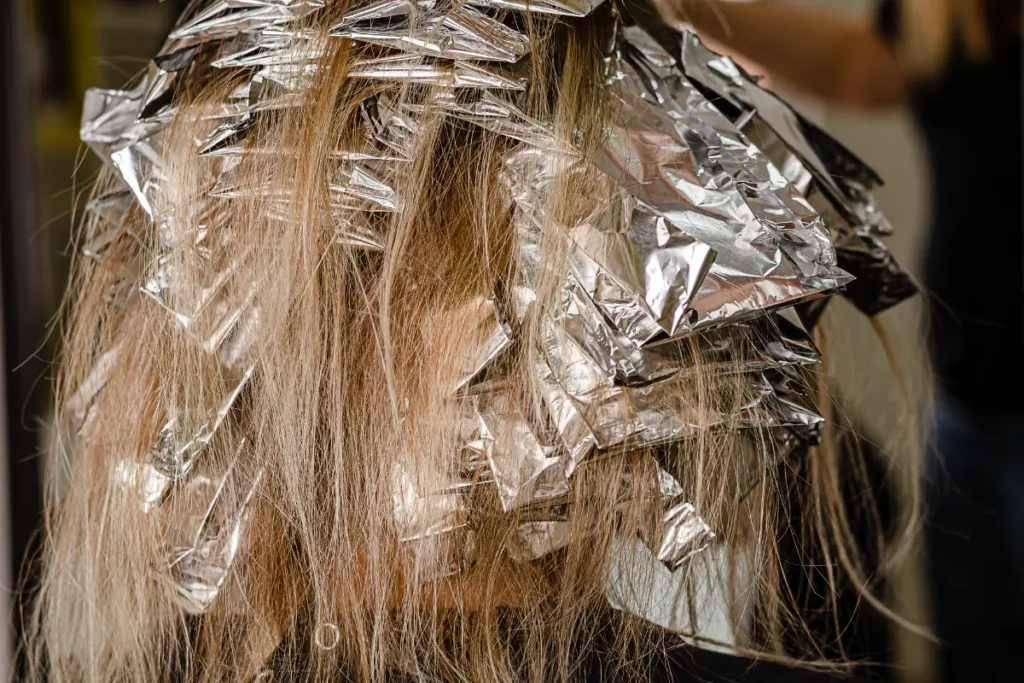
What gets left behind is hair that is structurally weaker than it was before. The cuticle, which normally lies flat and smooth, gets raised and roughened.
The cortex, the inner part of the strand that gives hair its strength and elasticity, loses proteins and lipids that don’t naturally replenish on their own.
Moisture escapes more easily, which is why bleached hair tends to feel dry almost constantly regardless of how many masks and oils you throw at it.
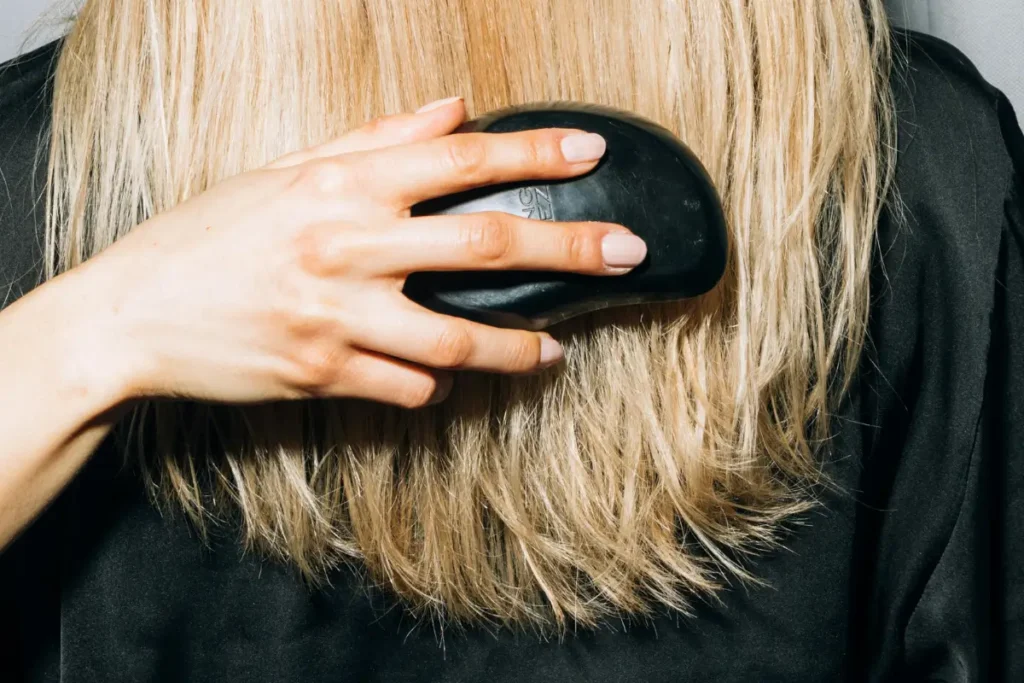
Multiple bleaching sessions compound all of this. Each one strips a little more, raises the cuticle a little further, and leaves the hair increasingly porous.
High porosity sounds technical, but in practical terms it just means your hair absorbs products quickly and loses them just as fast, which is why bleached hair can feel hydrated for about twenty minutes after conditioning and bone dry an hour later.
None of this means bleached hair is beyond help. It just means it needs a different level of care and a more considered approach to treatments. Which is exactly where the keratin conversation gets interesting.



Keratin Treatments: A Potential Solution?
Now, let’s talk about keratin treatments. Keratin is a protein that’s naturally present in your hair, skin, and nails.
Keratin treatments work by infusing your hair with this protein, aiming to smooth the hair cuticle, reduce frizz, and add shine.
According to a study, “Both the naturally damaged hair and those partially damaged by bleach treatment showed gain in their diameter after keratin treatment.’”
In fact, bleach-treated hairs increased to an average of 139 μm, a gain of nearly 49%.
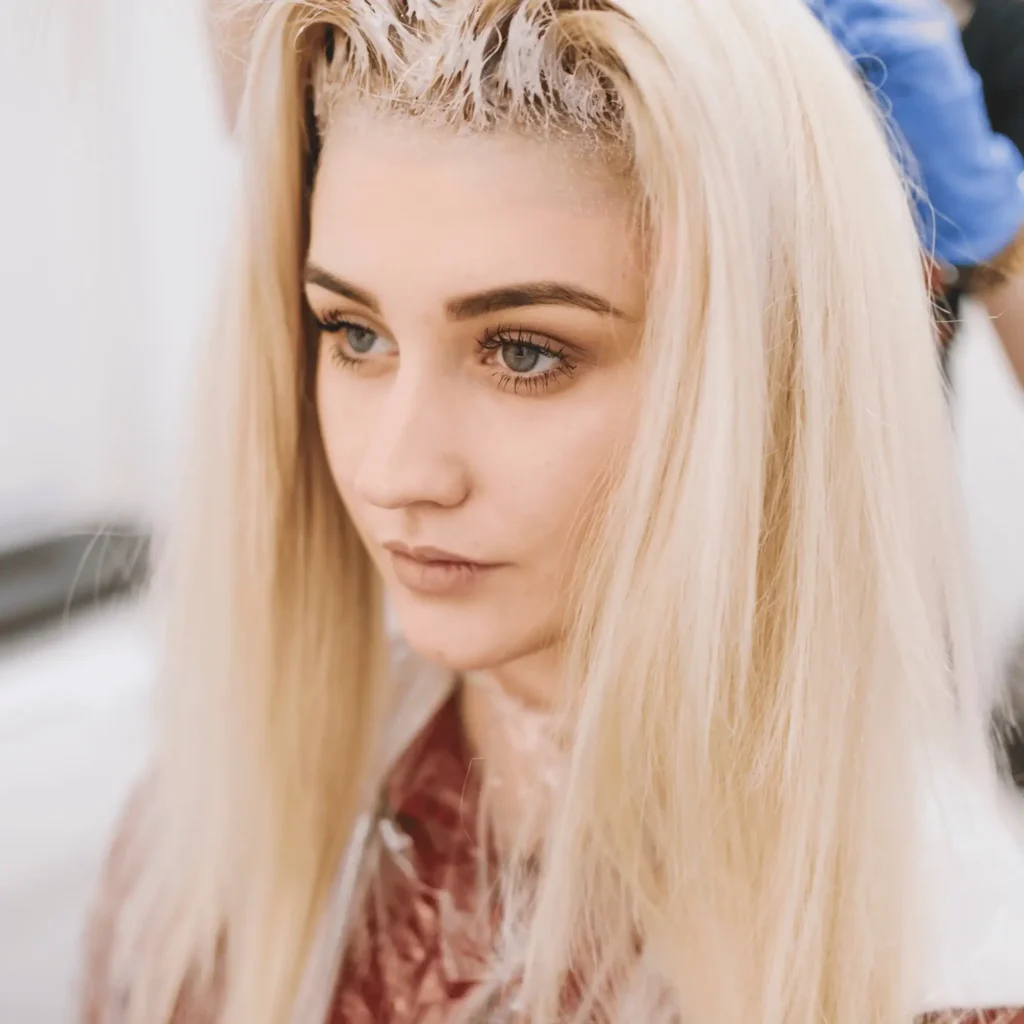
To put this in perspective, that’s like your hair strands growing half as thick again!
And it’s not just about thickness. The study also noted a “significant improvement in the smoothness of the hair surface after the treatment”, making your hair so much easier to manage.
Sounds promising for bleach-stressed strands, doesn’t it?
This increase in diameter and smoothness could mean fuller-looking, more manageable hair that’s easier to style and less prone to tangling.
The Big Question: Can You Use Keratin on Bleached Hair?
The short answer is YES, you can. However, there are some important factors to consider.
Bleached hair can actually benefit from a keratin treatment in several ways:
- Damage Control: Keratin can help repair some of the damage caused by bleaching.
- Moisture Retention: The treatment can help your hair retain moisture better.
- Frizz Reduction: It can significantly reduce the frizz that often accompanies bleached hair.
- Improved Manageability: Keratin can make your hair easier to style.
However, there are potential risks to be aware of:
Potential Risks to Consider
- Further Damage: If your hair is severely damaged from bleaching, the heat used in keratin treatments could cause more harm.
- Color Changes: Some keratin treatments can slightly alter the color of your bleached hair.
- Protein Overload: Too much protein can lead to brittleness and breakage.
- Allergic Reactions: Some people may be sensitive to the chemicals used in keratin treatments.
How to Safely Apply Keratin to Bleached Hair
If you decide to proceed with a keratin treatment, here’s how to approach it safely:
1. Assess Your Hair’s Health
Before considering a keratin treatment, evaluate your hair’s condition. If it’s breaking easily, feels gummy when wet, or is extremely dry and brittle, it might be best to postpone the treatment and focus on hair health first.
2. Consult a Professional
When it comes to chemically treating already processed hair, it’s best to seek professional help. A skilled stylist can assess your hair’s condition and recommend the best course of action.
3. Choose the Right Treatment
Not all keratin treatments are created equal. Some are gentler and more suitable for bleached hair. Ask your stylist about options like Brazilian Blowout, Cezanne, or Keratin Complex.
4. Prepare Your Hair
In the weeks leading up to your treatment:
- Deep condition regularly
- Avoid heat styling
- Use protein-rich hair masks
RELATED: 10 DIY Hair Mask Recipes For Bleached Hair
5. Timing is Key
If you’ve recently bleached your hair, wait at least two weeks before getting a keratin treatment. Your hair needs time to recover.
6. Aftercare is Crucial
Post-treatment care can significantly impact your results. Follow your stylist’s instructions carefully, which typically include:
- Waiting 48-72 hours before washing your hair
- Using sulfate-free shampoos
- Avoiding swimming in chlorinated water
- Avoiding hair ties and clips for a few days
What To Expect: The Results

If done correctly, a keratin treatment on bleached hair can provide:
- Smoother, shinier hair
- Reduced frizz
- Easier styling
- Healthier-looking locks
Remember, while the results can be impressive, it’s not a miracle cure. Your hair is still bleached and will require ongoing care.
Maintaining Your Treated Hair
To keep your hair looking its best after a keratin treatment:
- Use Appropriate Products: Stick to sulfate-free, color-safe shampoos and conditioners.
- Heat Protection: Always use a heat protectant before styling.
- Regular Trims: Keep those ends healthy with regular trims every 6-8 weeks.
- Deep Conditioning: Make deep conditioning treatments a part of your routine.
- Avoid Over-Washing: Try to extend the time between washes.
Alternatives to Keratin Treatments
If you decide a keratin treatment isn’t right for you, consider these alternatives:
- Olaplex Treatments: These can help rebuild the bonds in your hair.
- Leave-In Conditioners: For daily moisture and frizz control.
- Hair Oils: A little can add shine and smoothness.
- Silk Pillowcases: To reduce friction and breakage while you sleep.
- Bond-Building Products: Look for at-home treatments that focus on repairing hair bonds.
RELATED: How A Silk Pillowcase Can Do Wonders For Your Hair
Conclusion
Can you do a keratin treatment on bleached hair? Yes, but it requires careful consideration, professional help, and ongoing maintenance.
If done correctly, it can significantly improve the look and feel of your bleached hair.
TRY THESE NEXT: