
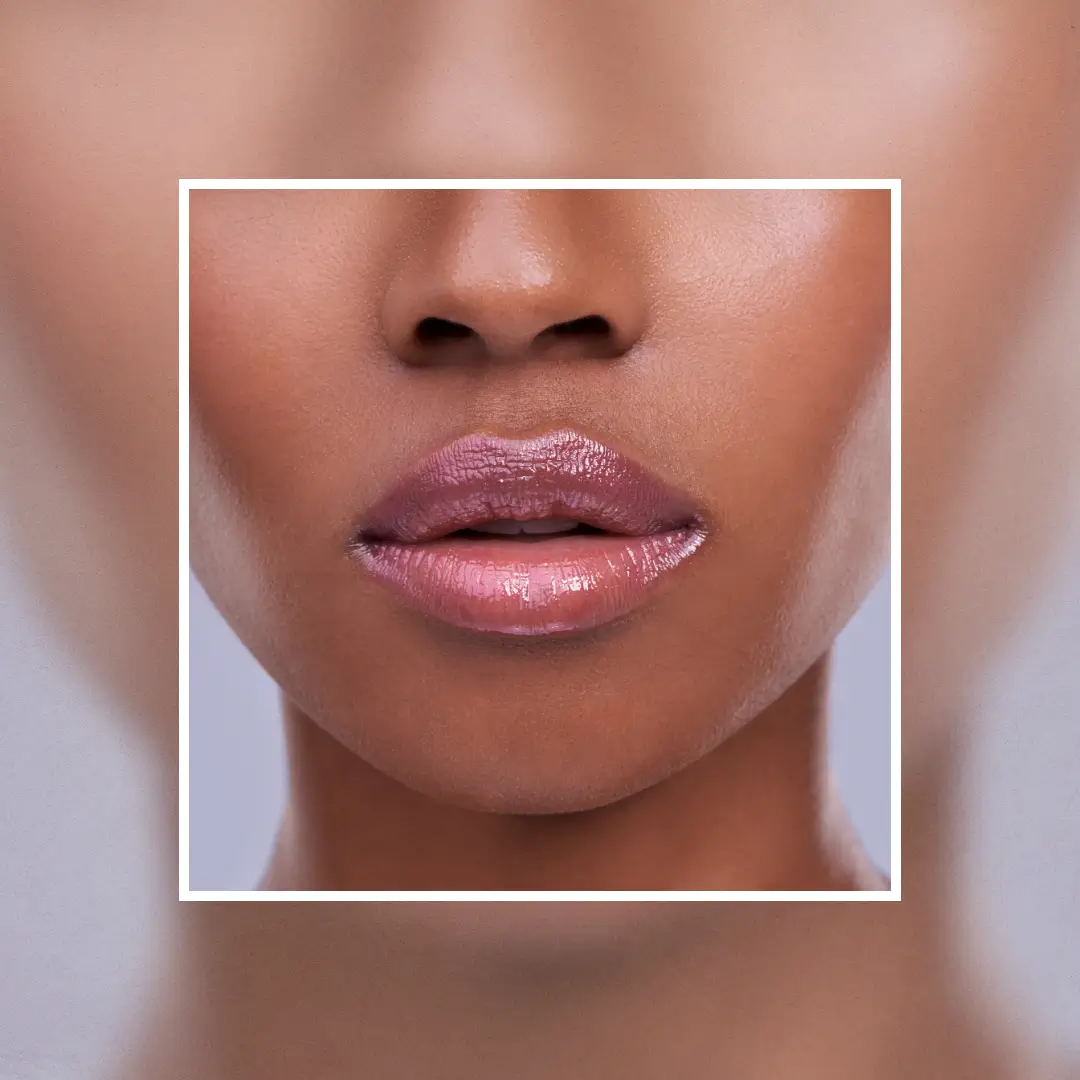
Dark lip corners, uneven pigmentation around the mouth, and a deeper tone that makes lighter lipstick shades look completely different on you than they do on the tube.
If any of this sounds familiar, you’re in good company.
PIN FOR LATER 📌
Lip hyperpigmentation is one of those skincare concerns that doesn’t get nearly enough airtime, despite the fact that it affects a huge number of people and can be genuinely frustrating to navigate.
The information out there tends to be either overly clinical or wildly optimistic about DIY fixes that don’t quite deliver.
So here’s the honest, practical version: what’s actually causing it, what treatments work, and what you can start doing today.
What Is Lip Hyperpigmentation?
Lip hyperpigmentation refers to darkening or uneven pigmentation on or around the lips caused by an excess of melanin, the pigment responsible for skin color.
It can show up as dark patches on the lip itself, darkening around the lip border, or an overall deeper tone that feels inconsistent with the rest of your complexion.
It’s worth knowing that lips are naturally slightly darker than the surrounding skin, which is completely normal.
The concern kicks in when you notice a change from your own baseline, whether that’s new dark spots, uneven patches, or a gradual deepening of tone that wasn’t there before.


What Causes It?
Understanding the cause is genuinely half the battle here, because the right treatment depends entirely on what triggered the pigmentation in the first place.
Sun Exposure
UV radiation is one of the most common culprits. The lips have minimal natural protection against the sun, and sun exposure can darken lips and at times trigger inflammatory conditions that cause pigmentation. Most people apply SPF religiously to their face and completely forget their lips exist, which is exactly how cumulative sun damage builds up over time.
Smoking
Long-term smoking is a common cause of lip hyperpigmentation. Nicotine and other chemicals in tobacco stimulate increased melanin production, and chronic exposure to smoke and heat can darken the lips, often creating an uneven, blotchy appearance. This type of pigmentation tends to be more stubborn and takes longer to respond to treatment.
Lip Licking and Biting
A habit most people don’t connect to pigmentation until someone points it out. Repeatedly licking or biting your lips causes low-grade inflammation over time, and inflammation is one of the primary drivers of post-inflammatory hyperpigmentation on the lips.
Cosmetics and Lip Products
The biggest unspoken factor is cosmetics, particularly lip oils. When used with exposure to UV radiation, they can darken lips or discolor them. Allergic reactions to certain lipstick formulas, toothpaste ingredients, or lip balm components can also trigger pigmentation as the skin heals from the inflammatory response.
Hormonal Changes
Hormonal fluctuations in the body are a common cause, and certain vitamin deficiencies like vitamin B12 can contribute too. This is why some people notice changes in lip pigmentation during pregnancy, while on hormonal contraception, or during periods of significant hormonal shift.
Genetics
Sometimes the answer is simply that your lips are naturally more pigmented, which is entirely normal and not a problem that needs fixing unless you personally want to address it. As one dermatologist notes, most commonly, dark lips occur genetically.
RELATED: 5 Best Face Washes For Hyperpigmentation On Darker Skin Tones
How To Treat Lip Hyperpigmentation
The approach that works best for you depends on how established the pigmentation is, what caused it, and how quickly you want results. Here’s a breakdown from the gentlest everyday habits to the more targeted treatments.
Sun Protection (Non-Negotiable)
If you take nothing else from this post, take this: SPF on your lips every single day is the most important step you can take for both preventing and treating lip pigmentation. Applying SPF-infused lip balms daily is vital, and it’s the one step most people are skipping entirely.
Try: Clé de Peau Beauté Protective Lip Treatment SPF 25, or a simple tinted SPF lip balm from EltaMD or Supergoop for everyday wear.
Gentle Exfoliation
Dead skin cell buildup can make hyperpigmentation look more pronounced than it actually is. A gentle lip exfoliator used two to three times a week helps with cell turnover and keeps the lip surface smooth enough for treatments to actually penetrate.
Gently exfoliating your lips with AHA-based lip treatments will slough off dull, hyperpigmented skin cells while promoting cell turnover to reveal lighter, brighter skin.
Try: Dr. Idriss Barrier Baste Exfoliating AHA Lip Treatment, or a simple DIY honey and sugar scrub for a gentler option.
RELATED: 8 DIY Exfoliating Lip Scrub Recipes That’ll Make Your Pout Pop
Brightening Serums and Topical Ingredients
This is where the real work happens for most people. To remedy hyperpigmentation around your lips at home, seek out facial serums packed with brightness-boosting ingredients like vitamin C, niacinamide, and kojic acid. These can be applied to the lip area as well as the skin around it.
Vitamin C inhibits melanin production. Niacinamide reduces the transfer of pigment to skin cells. Kojic acid is a natural brightener derived from fungi that has a solid evidence base behind it.
Used consistently, these ingredients make a meaningful difference over time.
Try: SkinCeuticals Discoloration Defense serum (a consistent favorite for this concern), The Inkey List Tranexamic Acid Serum, or Paula’s Choice 10% Niacinamide Booster applied around the lip border.
Hydration and Barrier Repair
Dry, compromised lips are more prone to pigmentation and slower to recover from it. Keeping the lips deeply hydrated with an occlusive, nourishing balm overnight supports the skin barrier and creates the right conditions for treatment ingredients to work effectively.
Try: Laneige Lip Sleeping Mask, Summer Fridays Lip Butter Balm, or Aquaphor Lip Repair as a simple, no-fuss option.
Lifestyle Adjustments
Reducing or quitting smoking makes a significant difference for smoking-related pigmentation, though results take time. Staying on top of vitamin B12 levels (easily checked with a routine blood test) is worth doing if hormonal or nutritional causes are suspected. And breaking the lip-licking habit, as hard as it sounds, removes one of the most consistent sources of low-grade inflammation.
Professional Treatments Worth Knowing About
For more established or stubborn hyperpigmentation, professional treatments can deliver faster and more significant results than topical products alone.
Chemical Peels
A dermatologist-administered chemical peel using glycolic acid, lactic acid, or a combination formula can accelerate cell turnover and break down pigmentation more effectively than at-home exfoliants. Multiple sessions are typically needed, and proper aftercare is essential.
Laser Treatments
The picosecond laser has become increasingly popular for lip pigmentation treatments, giving far superior results compared to chemical peels with faster recovery and fewer side effects. It’s a more significant investment but delivers the most dramatic results for deep or long-standing pigmentation.
Topical Prescription Treatments
A dermatologist may prescribe hydroquinone, tretinoin, or azelaic acid for more stubborn cases. These are considerably more potent than over-the-counter options and should always be used under professional guidance, particularly in the sensitive lip area.
How Long Does It Take To See Results?
Honestly, this varies more than most skincare content admits. Mild, recently acquired pigmentation can respond to a consistent topical routine within four to six weeks.
More established pigmentation, or pigmentation with a genetic or hormonal component, takes considerably longer and may require a combination of approaches.
The most important thing is consistency. A routine you actually stick to every day will always outperform an ambitious one you abandon after two weeks.
The Bottom Line
Lip hyperpigmentation is common, it’s manageable, and you have more options than you might think.
Start with SPF, add a brightening serum, exfoliate gently, and keep the skin barrier nourished.
If you’ve been consistent for three months and aren’t seeing the shift you want, that’s the moment to book a dermatologist appointment and explore professional options.
Your lips deserve the same level of attention as the rest of your skincare routine. It just took a while for the beauty industry to catch up and admit it.
TRY THIS NEXT: 11 Best Sunscreens For Hyperpigmentation