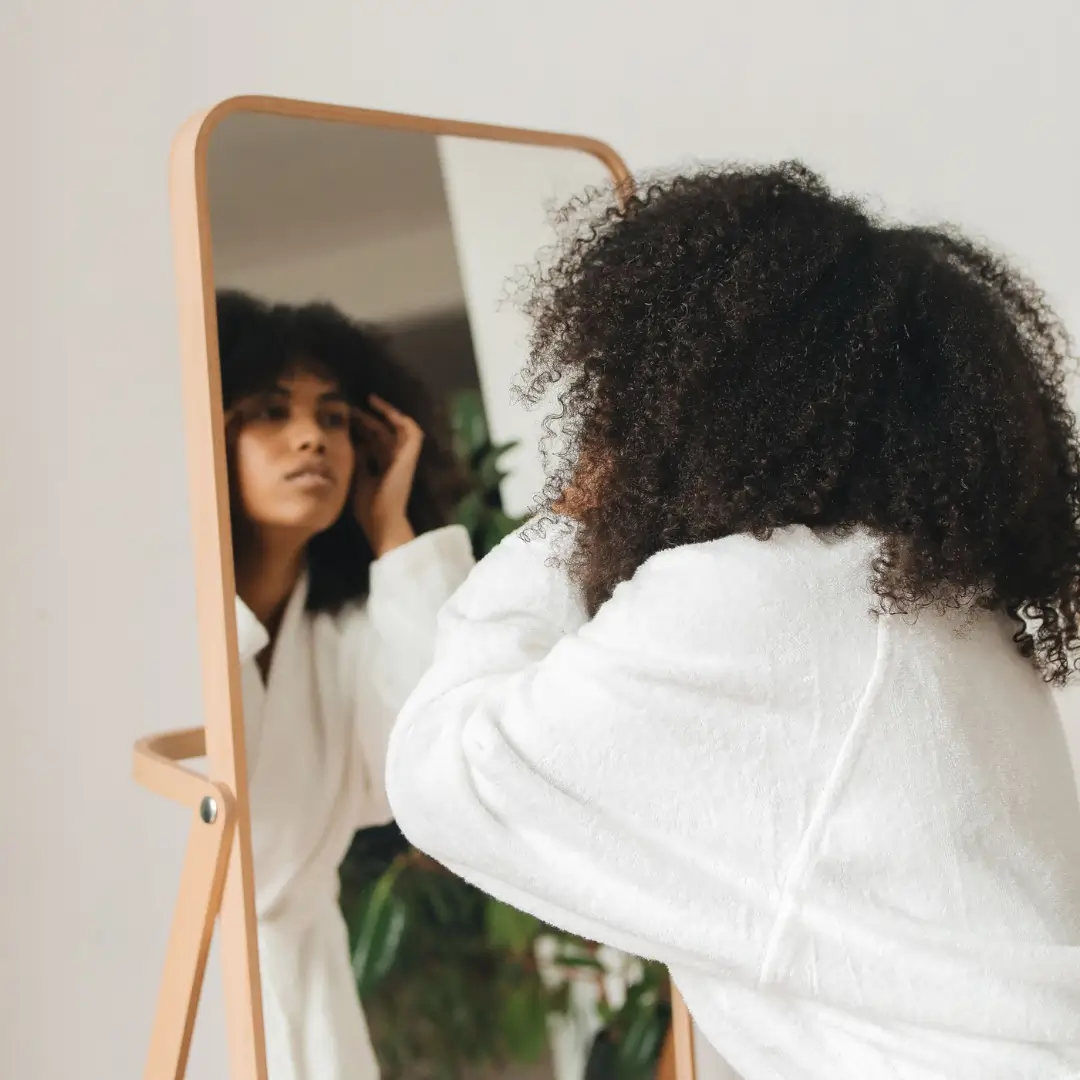
If you have low porosity hair, you already know the struggle: You slather on a rich conditioner, comb it through, and… it just sits there, like a houseguest who won’t take the hint. (Rude, honestly.)
Low porosity strands have tightly packed cuticles, which is great for holding onto moisture once it’s in but frustrating when you’re trying to get it in to begin with.
That’s why so many of us end up with hair that feels dry and greasy at the same time, a combination I wouldn’t wish on anyone.
After a lot of trial, error, and oils I definitely should have skipped, I’ve figured out what actually works: warmth, lightweight products, and a little patience.
Below, I’m sharing how to moisturize low-porosity hair step by step, from the way you wash to the oils worth using and the layering method that finally made my wash days pay off. (New to all this? Start with my guide on how to treat low-porosity hair, then come right back.)
1. Wash With Warm Water to Lift the Cuticle
Think of your cuticles like tiny shingles on a roof. On low porosity hair, they’re laid flat and sealed tight. Warm water helps loosen them up a little, which gives water and conditioner a better chance of actually getting in. So skip the icy rinse for now (I know, every hair influencer swears by it) and wash and condition with comfortably warm water instead.
Quick tip: Steam from your shower helps too. Let your conditioner sit while you finish the rest of your routine, rather than rinsing it out right away.
RELATED POSTS:

Humectants for Low Porosity Hair: What They Are and How to Use Them
The 4 Best Gels for Low Porosity Hair (Hold Without the Crunch)


Low vs. High Porosity Hair: Signs, Tests, and the Best Routine for Each
7 Best Deep Conditioners for Low-Porosity Hair That Actually Absorb

Is Coconut Oil Good for Low Porosity Hair? Here’s What You Need to Know
2. Clarify Regularly to Clear Buildup
Here’s the frustrating truth: If your hair feels dry, the problem might be too much product, not too little. Because low-porosity hair doesn’t absorb easily, creams, butters, and oils tend to pile up on the surface and form a film that blocks new moisture. A clarifying shampoo every two to four weeks gives you a clean slate. In between, stick with a gentle, sulfate-free formula (I’ve rounded up the best shampoos for low porosity hair if you need a new one).
Signs you need to clarify: Your hair feels coated or waxy, your products suddenly stop working, or your roots get greasy faster than usual.
3. Apply Products While Hair Is Still Wet
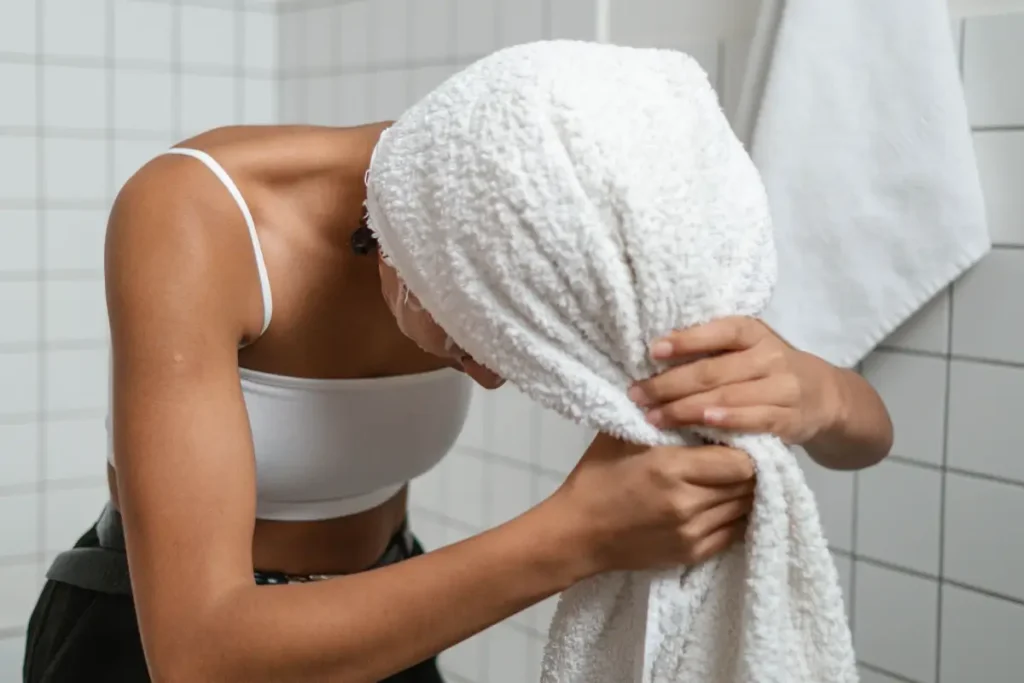
Water is the ultimate moisturizer, so the goal is to lock it in while it’s still there. Apply your leave-in and stylers to wet hair, working in small sections so every strand gets coverage. Waiting until your hair is damp or dry means you’re mostly just coating the outside… which is how the buildup started in the first place.
Quick tip: Keep a spray bottle of water nearby and re-wet any sections that start to dry while you work.
4. Choose Lightweight, Water-Based Leave-Ins
With low-porosity hair, lighter is almost always better. Look for leave-ins with water (aqua) as the first ingredient, and skip anything that feels thick or waxy straight out of the bottle. Milky lotions, sprays, and light creams absorb easily, while heavy butters and dense pomades tend to sit on top. Watch out for shea butter, cocoa butter, and mineral oil near the top of the ingredient list. (Yes, shea butter is in everything. Use it sparingly, if at all.)
Quick tip: Rub a small amount between your palms. If it disappears into your skin quickly, it’ll probably do the same on your hair.
5. Look for Humectants Like Glycerin and Aloe
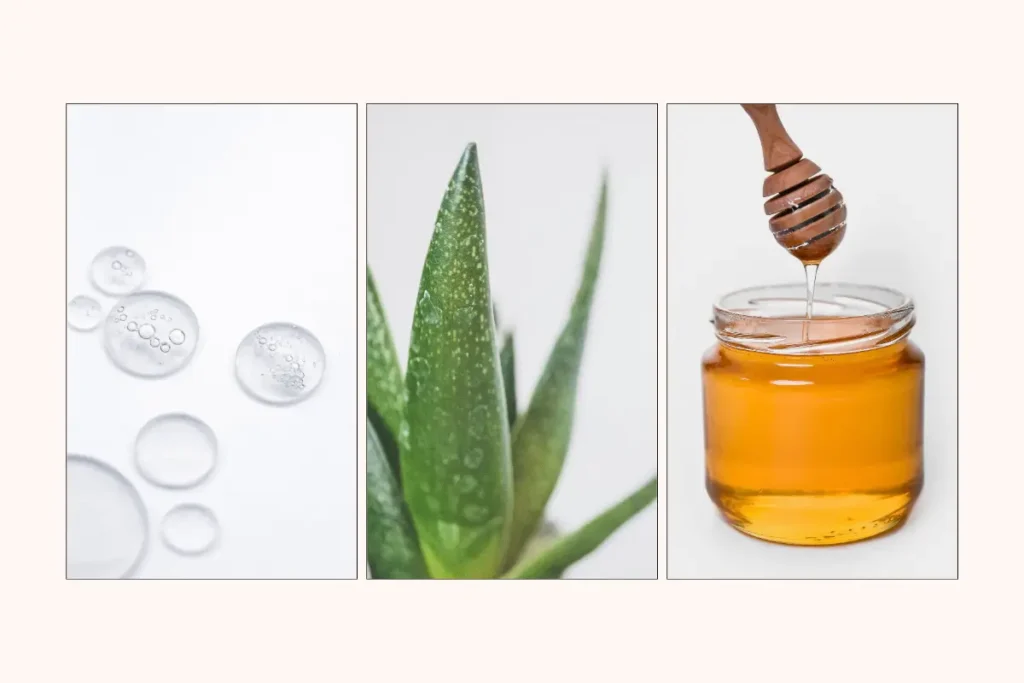
Humectants are ingredients that draw water into your hair, which makes them a low-porosity girl’s best friend. Glycerin, aloe vera, honey, and panthenol are all great options, and you’ll find them in plenty of leave-ins and curl creams. Aloe in particular is light enough to absorb without leaving residue (more on that in my post about aloe vera for low porosity hair).
One catch: In very dry winter air, glycerin can sometimes pull moisture out of your hair instead of in. If your hair feels crunchy or frizzy on cold, dry days, switch to a formula with less glycerin until spring.
6. Try the LCO Method
The LCO method is a layering technique that stands for liquid, cream, and oil. It’s usually a better fit for low porosity hair than the LOC method (liquid, oil, cream), because putting oil last seals everything in without blocking your cream from absorbing first.
Here’s how it works:
- Liquid: Start with water or a water-based leave-in on wet hair.
- Cream: Follow with a lightweight cream to add moisture and definition.
- Oil: Finish with a few drops of a light oil to seal it all in.
If your curls need more hold, the best curl creams for low porosity hair are a good place to start.
7. Deep Condition With Heat
Deep conditioning without heat is a bit like marinating chicken for five minutes: Technically something is happening, but not much. Heat helps lift the cuticle so your conditioner can actually get in. Apply your deep conditioner, cover your hair with a plastic cap, and use a hooded dryer, a heat cap, or a warm towel for 15 to 30 minutes, once a week or every other wash day.
Stick with protein-free formulas most of the time, since low porosity hair is prone to protein overload (these protein-free hair masks are an easy place to start). For an occasional boost, a hot oil treatment works the same way.
8. Seal With Light Oils (and Use Less Than You Think)
Oil doesn’t add moisture on its own, but it does help keep it in. The trick is picking the right one and using way less than you think you need. Lightweight oils like argan, grapeseed, jojoba, and sweet almond absorb more easily than heavier options, which can leave low porosity hair stiff or greasy (I break down castor oil and coconut oil separately). Start with two or three drops, warm them between your palms, and focus on your ends.
Quick tip: If your hair looks shiny but feels coated, you’ve used too much. Dial it back by a drop next time.
Bonus Tip: Try a Pre-Poo
If your hair feels stripped after washing, a pre-poo can help. Apply a light oil or conditioner before you shampoo, let it sit for 15 to 30 minutes, then wash as usual. It acts as a buffer, so your shampoo cleans without leaving your strands squeaky and parched. I share my full routine in this guide to pre-poo for low porosity hair.
The Bottom Line
Moisturizing low porosity hair comes down to three things: warmth, lighter products, and less of them.
Once I stopped piling on heavy creams and started working with my hair instead of against it, the difference was obvious.
My verdict: Soft, hydrated hair is completely possible, and it doesn’t take a cabinet full of products.
Start with one or two of these tips, give your hair a few wash days to adjust, and build from there. If you want to add a weekly treatment to your routine, these DIY hair masks for low porosity hair are a great next step.
PIN FOR LATER 📌