

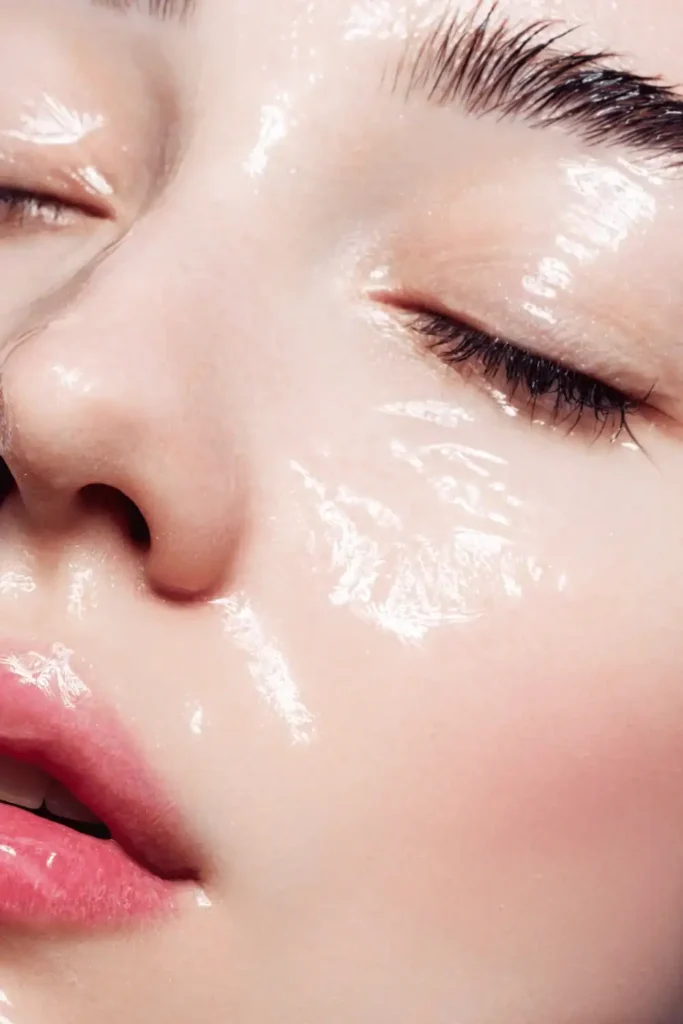
Slugging, also known as the “slug life” skincare routine, is the latest skincare trend that originates from the K-beauty scene and is taking the beauty industry by storm, with #slugging garnering 1.3 billion views on TikTok to date.
In a nutshell, slugging involves slathering your face with occlusive ingredients like petroleum jelly or other emollients to “prevent dryness, protect your moisture barrier and boost the glow,” explains @skincarebyhyram. He continues, “Petroleum has a bad reputation, but it’s one of the best ingredients for sealing moisture in your skin”.
PIN FOR LATER 📌

Not only does this technique allow your skincare products under the ‘slug’ to work their magic while you sleep, but it is especially beneficial for those with dry or dehydrated skin.
“It’s also a great way to your skin moisturized, especially in those dry cold winter months”, says Dr Mamina Turegano, MD, a triple board-certified dermatologist, internist, and dermatopathologist, in a TikTok video.
@dr.mamina FYI: Even though this doesn’t clog pores, it can exacerbate acne if you are acne-prone. Otherwise great for other skin types! #dermatologist #skincare #learnontiktok #slugging #moisturize ♬ original sound – Dr. Mamina Turegano, MD
Additionally, the occlusive ingredients used in slugging help to soften and smooth the skin, giving it a dewy and radiant glow.
However, it’s important to note that slugging may not be suitable for everyone.
If you have oily or acne-prone skin, slugging may not be the best option for you, as it can potentially clog pores and lead to breakouts.
Does Slugging Clog Pores?
“Vaseline or petrolatum, in general, does not clog your pores, but if you’re layering it over other actives like retinoids, I would be careful, because it could enhance the potency of the active, thereby increasing irritation”, explains Dr. Turegano.
The potential of slugging to clog pores can also depend on the individual’s skin type.
For people with oily or acne-prone skin, there is a greater risk of slugging leading to clogged pores.



The occlusive nature of the moisturizer or petroleum jelly can trap dirt, sweat, and sebum on the skin’s surface, potentially leading to breakouts or exacerbating existing acne.
On the other hand, for individuals with dry or sensitive skin, slugging may actually be beneficial.
It can help to seal in moisture, providing relief for dry, flaky skin and enhancing the skin’s natural barrier function.
The Importance Of A Skincare Routine
To ensure that slugging does not clog your pores, it is crucial to follow a proper skincare routine.
This includes cleansing your face thoroughly before slugging, using non-comedogenic products, and regularly exfoliating to remove dead skin cells and prevent the accumulation of debris.
Additionally, it’s essential to clean your pillowcases regularly to avoid any transfer of bacteria or dirt onto your skin.
If you do, however, suffer a breakout from slugging, Dr. Turegano recommends Terasana’s Clear and Control Healthy Face Serum.
How Often Should You Do Slugging Skincare?
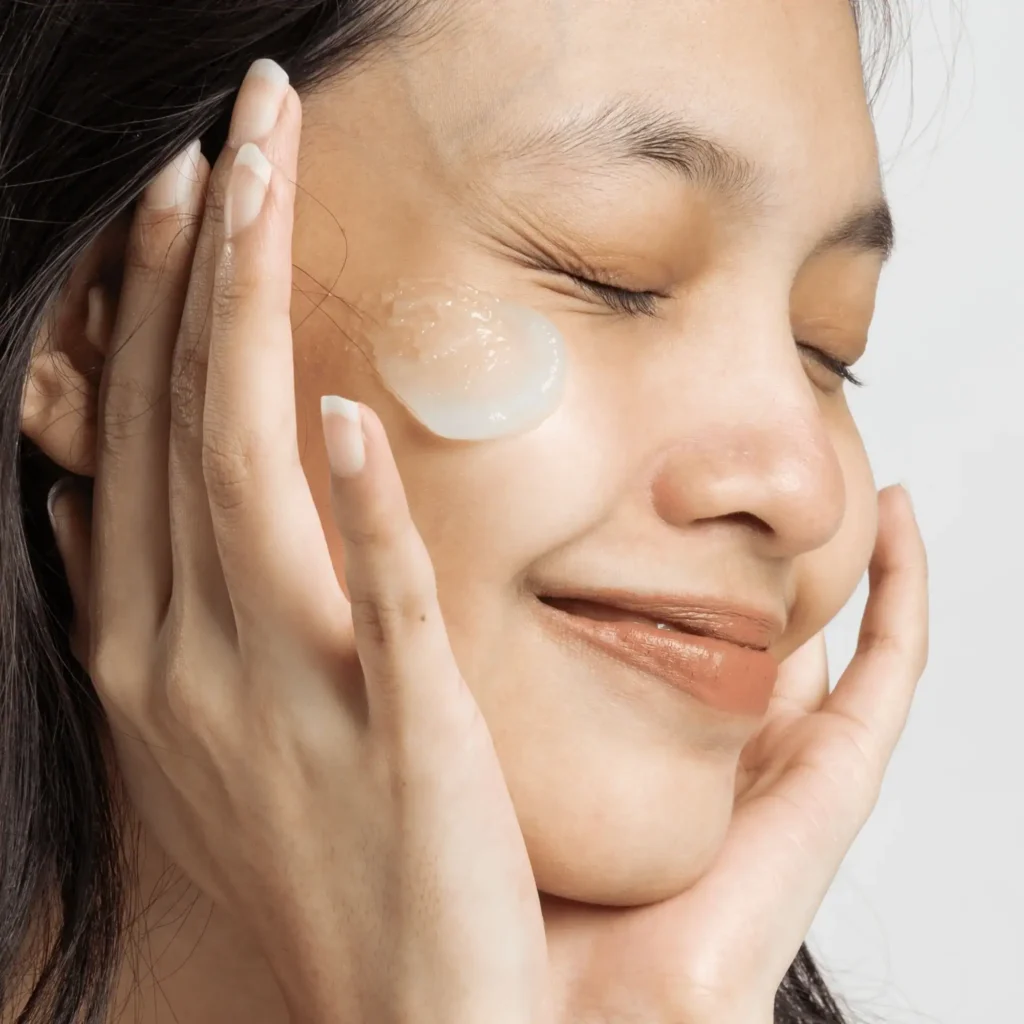
The frequency of slugging skincare depends on several factors, including your skin type, climate, and personal preferences.
Generally, it is recommended to do slugging skincare once or twice a week. However, some individuals with dry or dehydrated skin may benefit from doing it more frequently, while those with oily or acne-prone skin may find it too heavy and prefer to do it less often.
It is important to note that slugging skincare is primarily intended for nighttime use, as the occlusive nature of the moisturizer may lead to a greasy appearance during the day.
If you choose to incorporate slugging into your routine, it is advisable to cleanse your face thoroughly in the morning to remove any residual product.
Here are a few examples to help you understand the frequency of slugging skincare:
- Example 1: A person with normal skin living in a moderate climate might choose to do slugging skincare once a week to provide an extra boost of hydration.
- Example 2: Someone with dry skin in a cold and dry climate may benefit from doing slugging skincare two to three times a week to prevent moisture loss and combat dryness.
- Example 3: An individual with oily, acne-prone skin may find that slugging skincare is too heavy for their skin type and may choose to do it only occasionally, such as once every two weeks or as needed.
Remember, skincare routines should be customized to suit individual needs and preferences. It is always a good idea to consult with a dermatologist or skincare professional to determine the best approach for your specific skin concerns and goals.
YOU MAY ALSO LIKE: The 10-Step Korean Skincare Routine: Your Guide to Achieving Radiant, Glowing Skin
How To Incorporate Slugging Into Your Skincare Routine
If you’re intrigued by the slugging trend and want to give it a try, here’s how you can incorporate it into your skincare routine:
- Cleanse your face thoroughly: Start by cleansing your face to remove any dirt, makeup, or impurities. Use a gentle cleanser that won’t strip your skin of its natural oils.
- Apply your regular skincare products: After cleansing, apply your regular skincare products such as toner, serum, and moisturizer. Allow each product to absorb fully before moving on to the next step.
- Seal in the moisture: Once you’ve applied your moisturizer, it’s time to seal in the moisture with an occlusive ingredient like petroleum jelly. Take a small amount and gently massage it into your skin, focusing on areas that tend to be drier or more prone to dehydration.
- Wake up to hydrated skin: Leave the occlusive layer on overnight. In the morning, you’ll wake up to skin that feels nourished and refreshed.
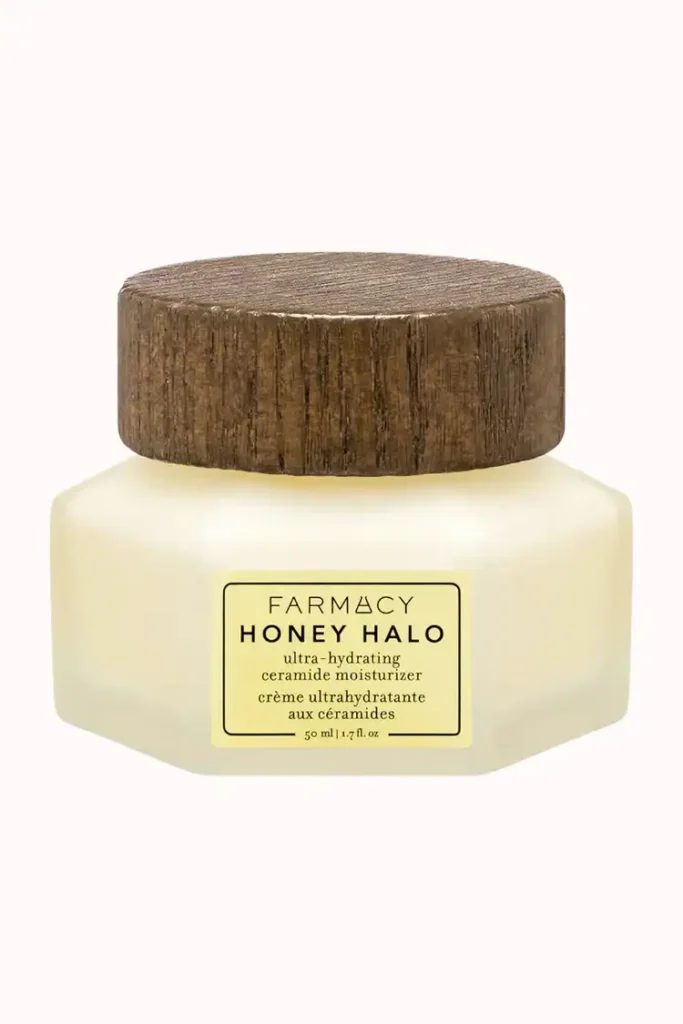
Best Products For Slugging
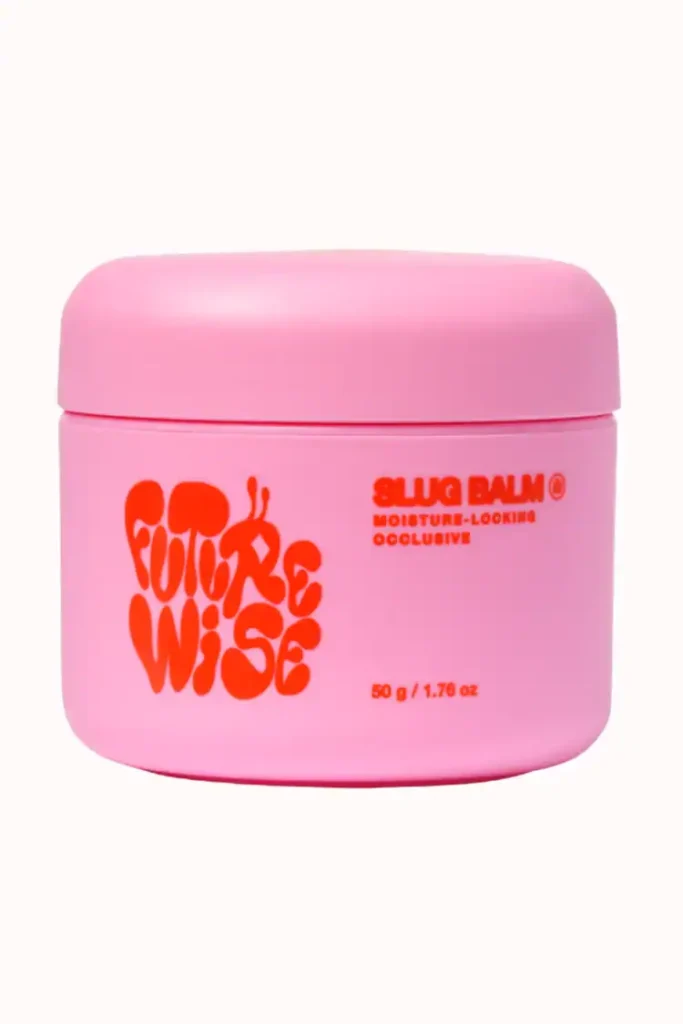
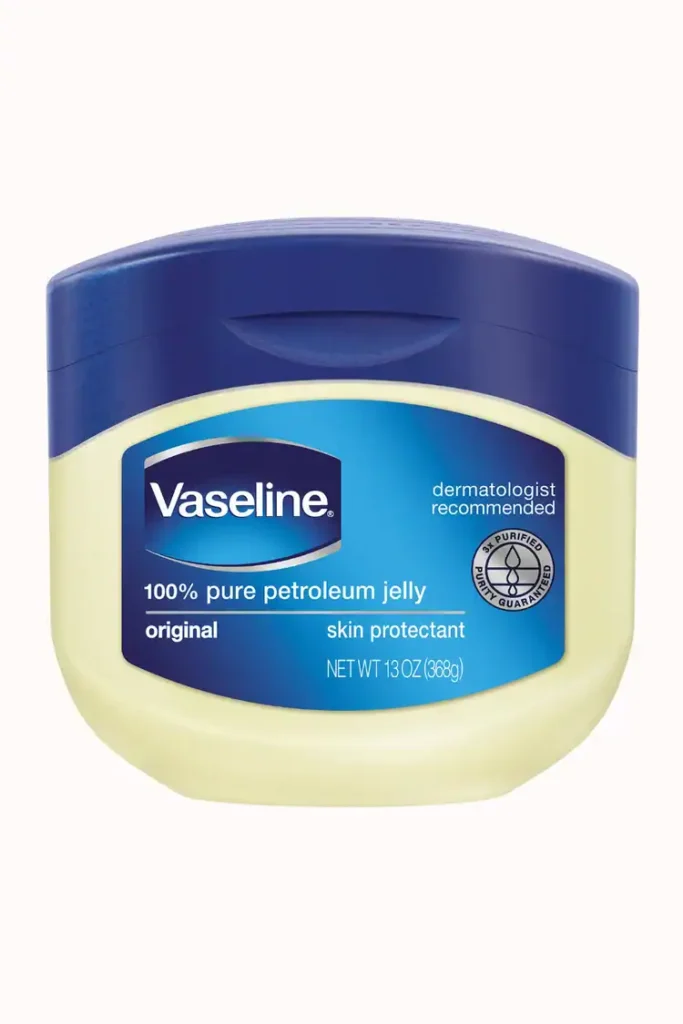
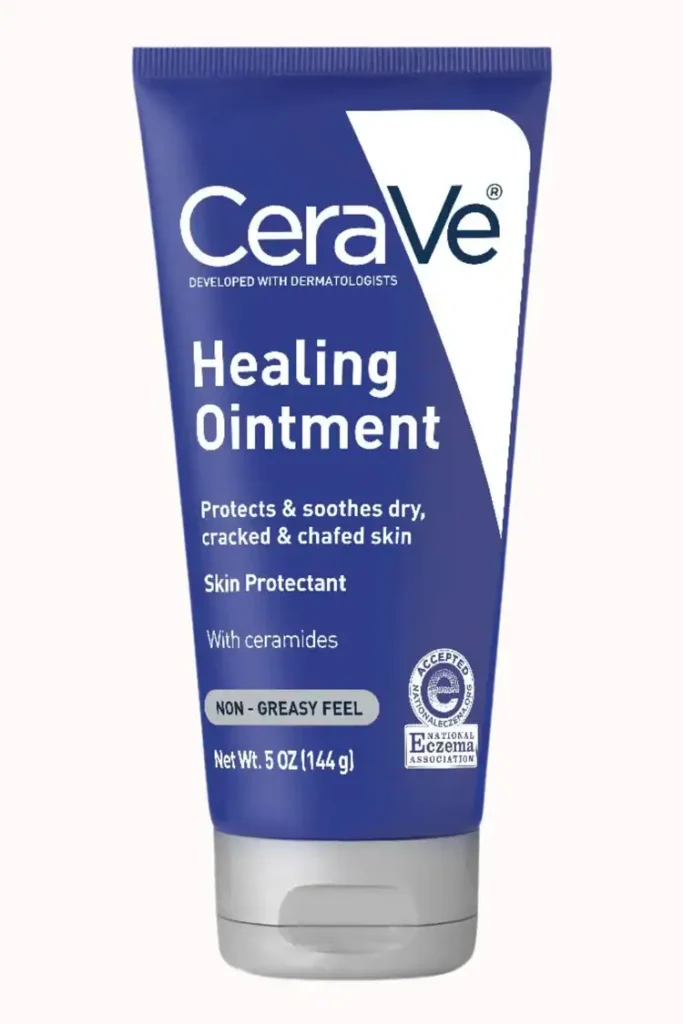
When it comes to slugging, choosing the right products is crucial; here are our best picks…
Alternatives To Slugging In Skincare
If slugging doesn’t seem like the right fit for you, there are alternative methods to achieve similar results. Here are a few options to consider:
- Layering lightweight moisturizers: Instead of using a heavy-duty moisturizer and occlusive ingredients, you can opt for layering lightweight moisturizers. Start with a hydrating serum or essence, followed by a lightweight moisturizer, and finish with a facial oil or balm to seal in the moisture.
- Sleeping masks: Sleeping masks are another great option for intensive hydration while you sleep. These masks are formulated with hydrating ingredients and can be applied as the last step in your nighttime routine. They provide a similar effect to slugging without the heaviness.
- Humidifiers: If dryness is a concern, especially during the winter months, using a humidifier in your bedroom can help add moisture to the air, preventing your skin from drying out overnight.
Remember, skincare is personal, and what works for one person may not work for another.
It’s important to listen to your skin’s needs and adjust your routine accordingly.
TRY THIS NEXT: 5 DIY Face Masks For Glowing Skin