

If your skincare routine has a villain, it’s probably clogged pores.
And salicylic acid is the ingredient that’s been quietly taking them down for years while trendier actives get all the press, the PR packages, and the glowing five-star reviews.
Funny how that works.
It’s one of the most well-researched actives in skincare, which in an industry that loves a bold claim with questionable science behind it, is genuinely reassuring.
PIN FOR LATER 📌
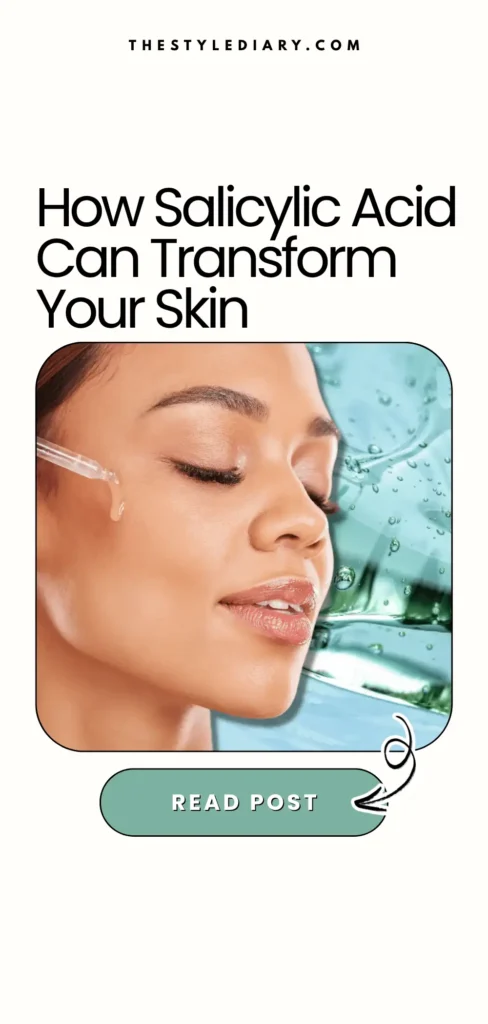
Dermatologists have been recommending it for decades, and the results speak for themselves.
Clearer, smoother, less complicated skin that stops feeling like a full-time job to maintain.
If you’ve been loyal to your routine and still not seeing the results you want, salicylic acid might be exactly what’s been missing.
Here’s everything you need to know.
What Is Salicylic Acid?
Salicylic acid is a type of beta-hydroxy acid (BHA), which stands out in the realm of skincare due to its oil-soluble nature.
This characteristic allows it to penetrate deep into the skin’s pores, making it a potent ingredient for combating many skin issues, including acne.
“While it’s an acne treatment, it’s also useful for putting the brakes on excessive pigment production, making it less likely that your acne heals with a dark mark”, says Dr Dray, dermatologist and skincare enthusiast.
Chemically, salicylic acid shares a close relationship with aspirin (acetylsalicylic acid), and both work to reduce inflammation. However, while aspirin is typically ingested orally, salicylic acid is applied topically for skincare purposes.
While salicylic acid naturally occurs in certain plants like the bark of the willow tree, most salicylic acid used in skincare products today is laboratory-produced.
This ensures a standard concentration and effectiveness across different products.



The Science Behind Salicylic Acid
Salicylic acid works effectively due to its unique molecular structure.
This structure enhances its oil solubility, enabling it to penetrate the skin’s pores more effectively than its water-soluble counterparts like alpha-hydroxy acids (AHAs), which include glycolic and lactic acids.
Once it soaks into the skin, salicylic acid dissolves the skin debris that leads to clogged pores, reducing inflammation and speeding up the healing process of red, inflamed pimples.
According to a study, it is also effective for superficial peels as it “helps to exfoliate dead skin cells, unclog pores, and stimulate the growth of new, healthier skin [it has] minimal downtime and are generally safe for all skin types.”
Its ability to break down the connections between skin cells promotes exfoliation, making it an effective keratolytic medication.
Best Uses of Salicylic Acid
Salicylic acid is highly effective in dealing with blackheads and whiteheads.
Its ability to dissolve skin debris that clogs pores and triggers acne makes it a highly sought-after ingredient in acne treatments.
Furthermore, salicylic acid also helps in managing excessive oiliness, another contributing factor to acne.
Salicylic Acid as an Over-the-Counter (OTC) Ingredient
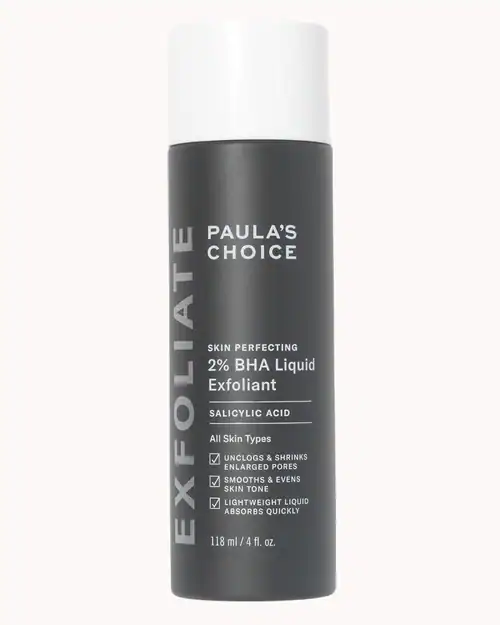
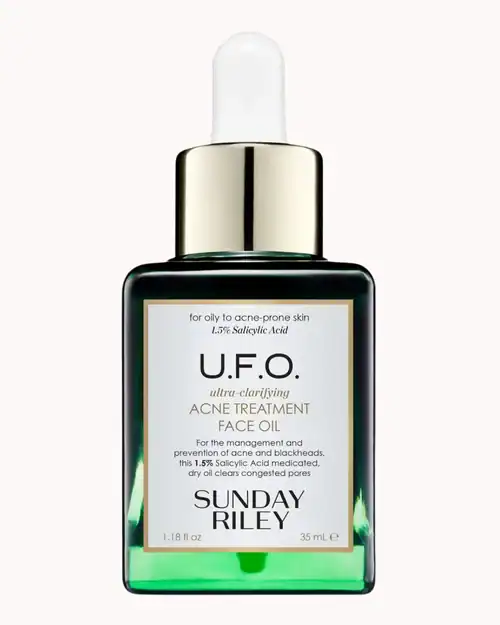
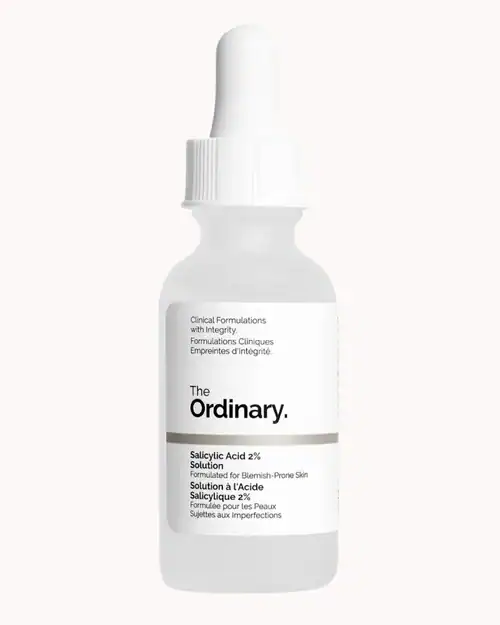
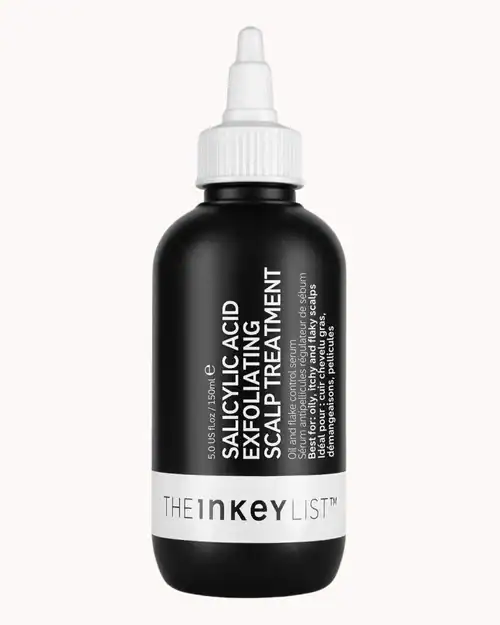
You can find salicylic acid in a variety of over-the-counter skincare products, including cleansers, serums, lotions, and even shampoos, offering numerous skin benefits, ranging from reducing wrinkles to treating flaky scalp or dry skin.
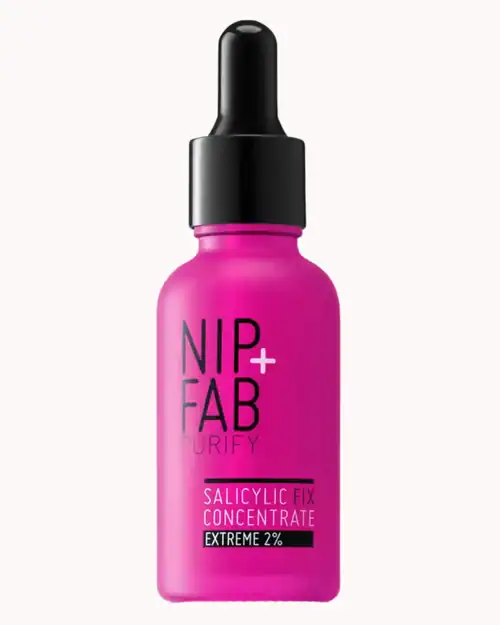
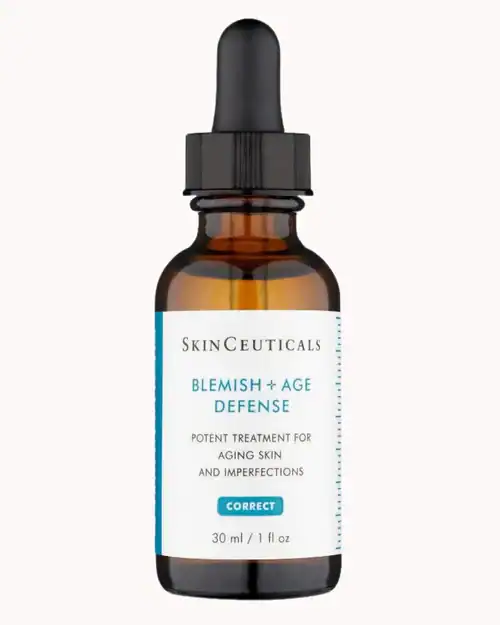
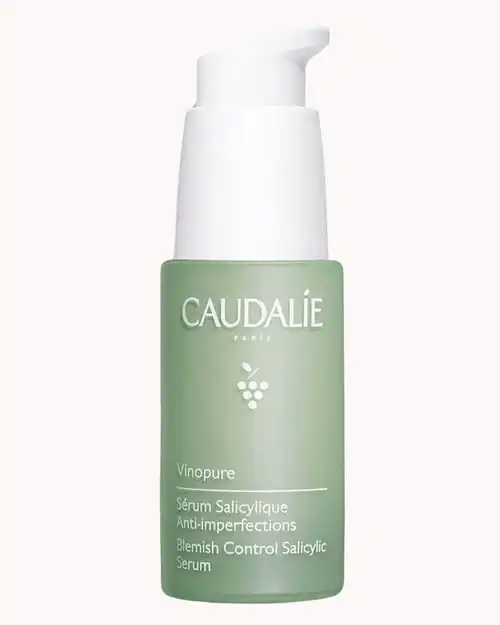
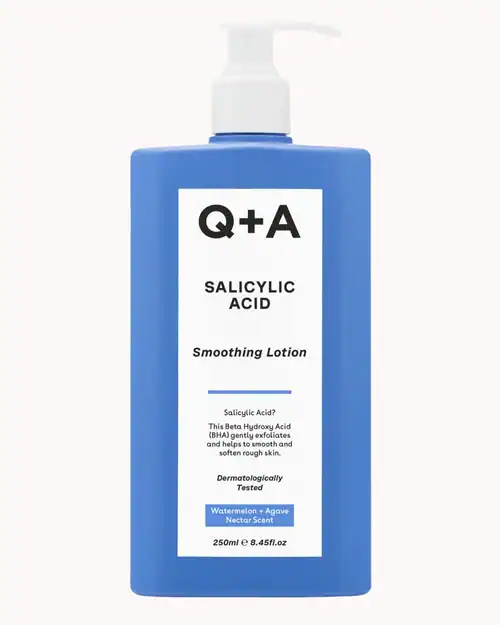
Here are some of our favorite salicylic acid-based OTC products:
Salicylic Acid vs. Benzoyl Peroxide
When it comes to over-the-counter acne treatments, salicylic acid and benzoyl peroxide are often compared. Both ingredients can help prevent breakouts, but they work differently.
Salicylic acid exfoliates the skin and helps to unclog pores. It is oil-soluble, which means it can penetrate the pores and help to dissolve the build-up of oil and dead skin cells.
By doing so, salicylic acid can reduce inflammation and prevent new acne breakouts. It is particularly beneficial for those with oily skin and blackheads.
Benzoyl peroxide, on the other hand, is an antibacterial agent that kills the bacteria responsible for acne. It works by introducing oxygen into the pores, which creates an inhospitable environment for bacteria to thrive.
Benzoyl peroxide also has some exfoliating properties and can help remove dead skin cells, unclog pores, and reduce inflammation. It is often recommended for those with inflammatory acne, such as pustules and cysts.
It’s important to note that both ingredients can cause some side effects such as dryness, redness, and peeling of the skin. It is recommended to start with a lower concentration and gradually increase as tolerated.
How To Use Salicylic Acid
Knowing how to use salicylic acid effectively can help you achieve maximum benefits. Here’s a quick guide on how to use salicylic acid in different product types:
- Cleansers: Salicylic acid cleansers are a popular choice for those with oily or acne-prone skin. To use, wet your face and apply a small amount of the cleanser, massaging it gently into your skin. Leave it on for a minute or two to allow the acid to work its magic, and then rinse thoroughly with lukewarm water. Use it once or twice a day, depending on your skin’s sensitivity.
- Toners: Salicylic acid toners are great for targeting clogged pores and reducing inflammation. After cleansing your face, apply the toner to a cotton pad and gently swipe it across your skin. Let it dry before moving on to the next step in your skincare routine. Start by using it once a day and gradually increase the frequency if your skin tolerates it well.
- Spot Treatments: Salicylic acid spot treatments are designed to target individual pimples or blemishes. Apply a small amount directly onto the affected area, ensuring it is clean and dry. Let it dry completely before applying any other products. Use spot treatments as needed, but be cautious not to overuse them, as they can cause dryness and irritation.
- Serums: Salicylic acid serums are highly concentrated and potent. They can be used to address specific skin concerns like acne, blackheads, or uneven skin texture. Apply a few drops of the serum to your fingertips and gently pat it onto cleansed skin. Allow it to absorb fully before applying moisturizer or sunscreen. Start by using it every other day and adjust the frequency based on your skin’s reaction.
Salicylic Acid For Various Skin Conditions
Salicylic acid can treat a wide array of skin issues, including acne, dandruff, psoriasis, seborrheic dermatitis of the skin and scalp, calluses, corns, common warts, and plantar warts.
Depending on the concentration and form of the salicylic acid, it can be used several times a day or less in the case of a salicylic acid peel.
Side Effects Of Salicylic Acid
While salicylic acid is generally safe for most people, it may cause side effects in some cases as your skin adjusts to the new ingredient.
These reactions often resolve on their own over time and can include irritation, stinging or burning, dryness, peeling, and flaking.
If you experience these side effects, consider reducing the frequency of use until your skin becomes accustomed to it.
It is also advised to not use salicylic acid when pregnant. Double board-certified facial plastic surgeon Dr. Jaimie DeRosa, M.D., tells Best, “I’d avoid using salicylic acid-containing products if pregnant or breastfeeding, as we know these can be harmful when taken orally. No need to take chances,” says double board-certified facial plastic surgeon Dr. Jaimie DeRosa, M.D.
Combining Salicylic Acid With Other Ingredients
Salicylic acid can be combined with many other active skincare ingredients.
However, care should be taken when using it in conjunction with other irritating agents like benzoyl peroxide, retinoids, and Retin-A (tretinoin), which have been shown to often lead to adverse reactions.
According to a study, “the combined use of three salicylic acid-based products for the topical treatment of acne has been related to a significant improvement in acne lesions.”
READ NEXT: