Gel and low-porosity hair have a bit of a complicated history. You smooth it onto soaking-wet curls, wait patiently for it to dry, and then… flakes.
Or a stiff, shiny film that refuses to budge until your next wash day. (Not exactly the bouncy, defined curls the bottle promised.)
The problem usually isn’t gel itself; it’s the formula. Heavy oils, butters, and lots of protein tend to sit on top of tightly sealed cuticles, especially when you layer gel over an already rich cream.
The right gel, on the other hand, is water-based, plays nicely with your leave-in, and gives you hold without the residue.
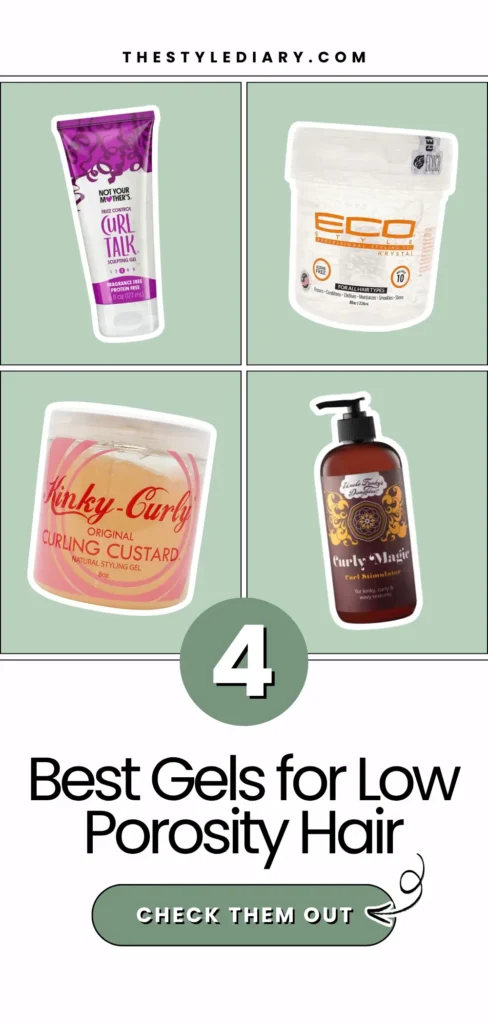
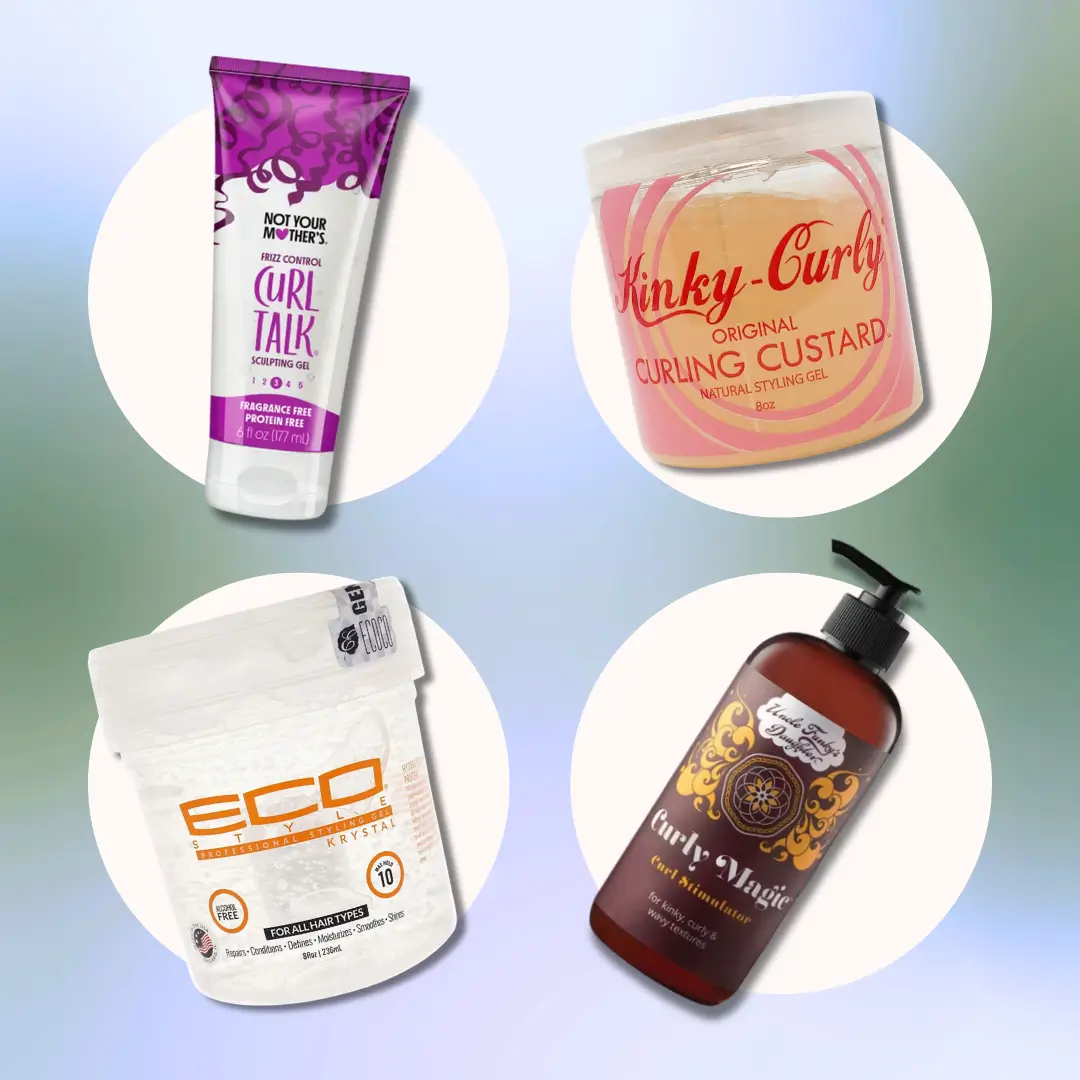
Below, I’m sharing the best gels for low porosity hair, from drugstore jellies to curl custards, plus how to apply them so your curl cream and gel actually get along.
What to Look for in a Gel for Low Porosity Hair
Not all gels are created equal, and the wrong one is usually the culprit behind flakes and that dreaded “wet look” that never dries. Here’s what to check on the label:
- Water or aloe first: A water- or aloe-based gel absorbs more easily and rinses out cleanly.
- Humectants: Glycerin, aloe, honey, and agave help pull moisture into your strands while they dry.
- Little to no oil or butter: Your leave-in and cream already add richness, so your gel doesn’t need to.
- Protein in moderation: Some gels include protein for extra hold. That can work, but if your hair turns stiff or straw-like, look for a protein-free formula.
- Flexible hold: A soft-to-medium hold is easier to scrunch out and less likely to flake than a super-strong formula.
- Product compatibility: Gels flake when they clash with the products underneath, so try to stay within one brand or test combinations before wash day.
The Best Gels for Low Porosity Hair
1. Best Overall: Not Your Mother’s Curl Talk Fragrance & Protein-Free Sculpting Gel
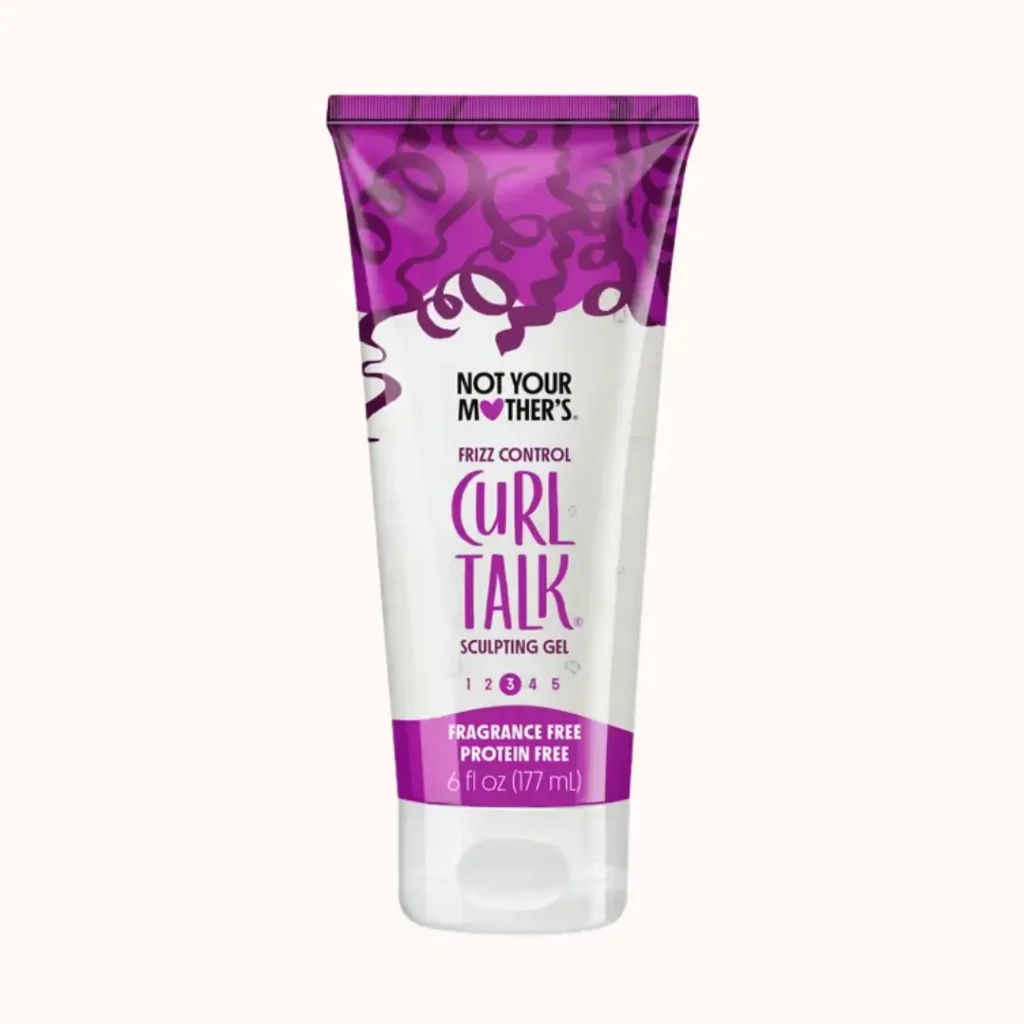
If your hair has ever turned into a crunchy, straw-like helmet after a protein-heavy gel, this is your fix. The formula is water-based with glycerin as the second ingredient, and it skips protein, fragrance, silicones, and oils entirely. It gives you a flexible-firm hold that dries into a cast you can scrunch out for soft, defined curls, and the brand says it works on everything from 2A waves to 4C coils. Oh, and it’s around $11, which doesn’t hurt either.
Why it works for low-porosity hair: Zero protein and zero oil, so there’s nothing heavy left sitting on your strands.
2. Best for Coils: Kinky-Curly Curling Custard
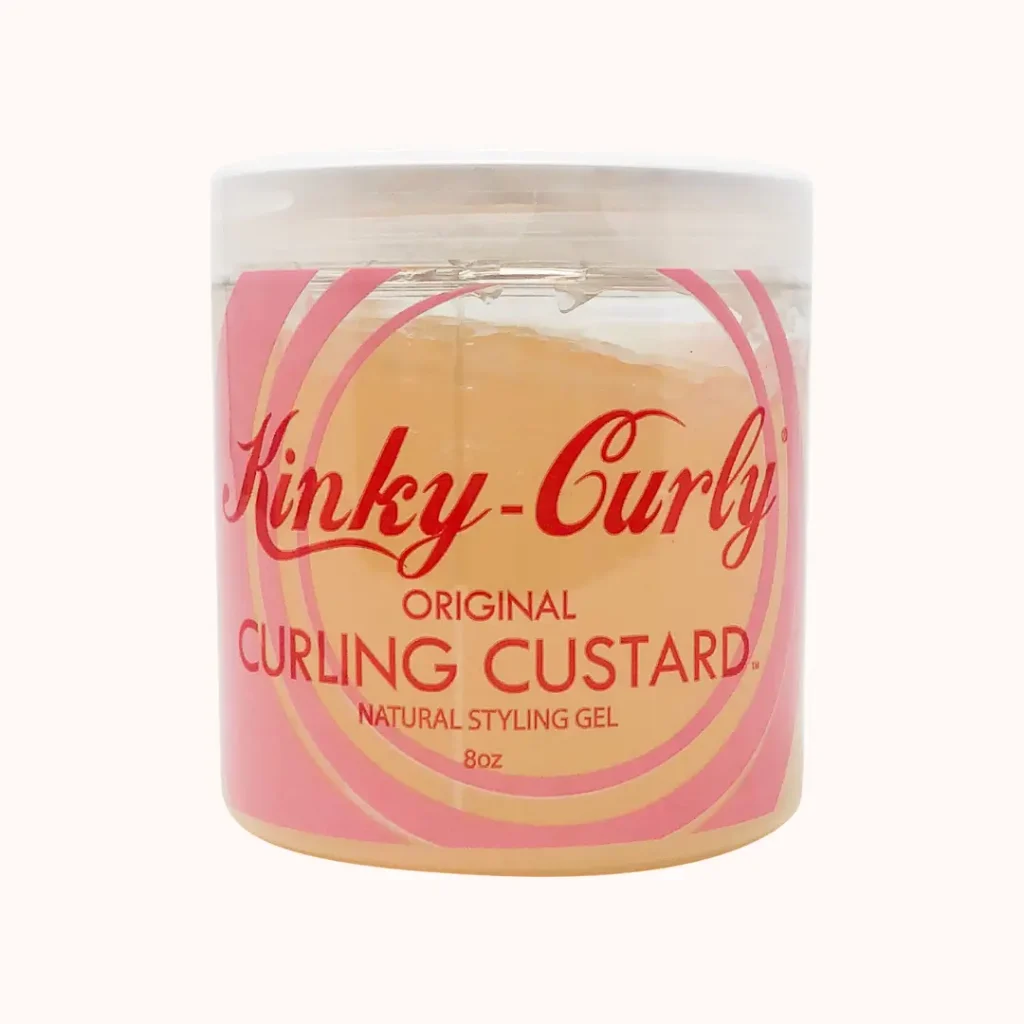
This cult-favorite custard is built on a botanical water infusion with aloe vera juice and agave nectar, and there’s no oil or butter anywhere on the label. It gives tight curls and coils serious definition, especially when you layer it over a light leave-in on soaking-wet hair. (It’s a favorite in my 4C low porosity hair guide for a reason.)
Why it works for low-porosity hair: Water-based and humectant-rich, so it defines without creating a film.
3. Best Aloe-Based: Uncle Funky’s Daughter Curly Magic
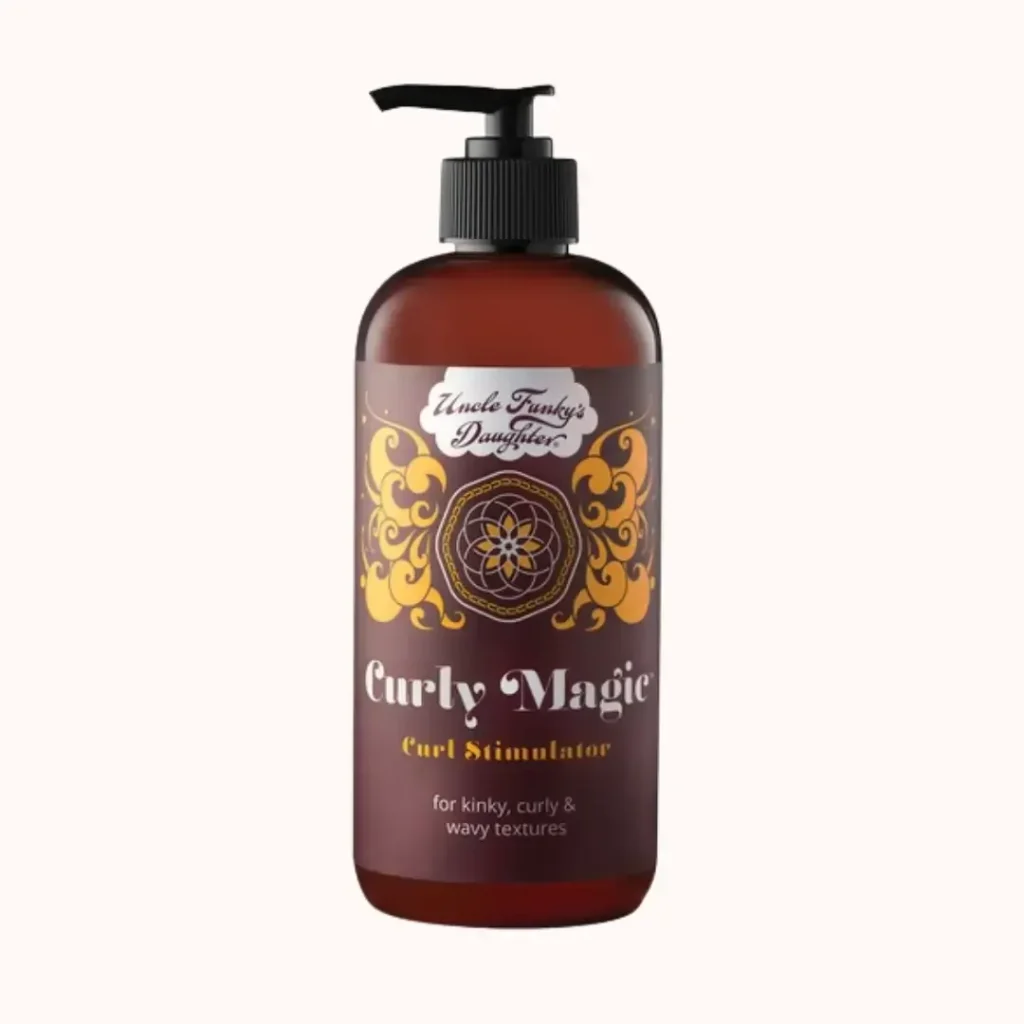
Water, glycerin, and aloe vera juice lead the ingredient list here, with marshmallow root, nettle, and horsetail extracts for extra slip and shine. It’s a firm-hold gel designed to go on soaking-wet hair, section by section, and many low-porosity fans love how easily it absorbs. It does contain a small amount of jojoba oil and wheat protein, so if your hair is very protein-sensitive, test it on one section first.
Why it works for low-porosity hair: The aloe base sinks in rather than sitting on top, and the hold lasts.
4. Best Budget: Eco Style Krystal Styling Gel
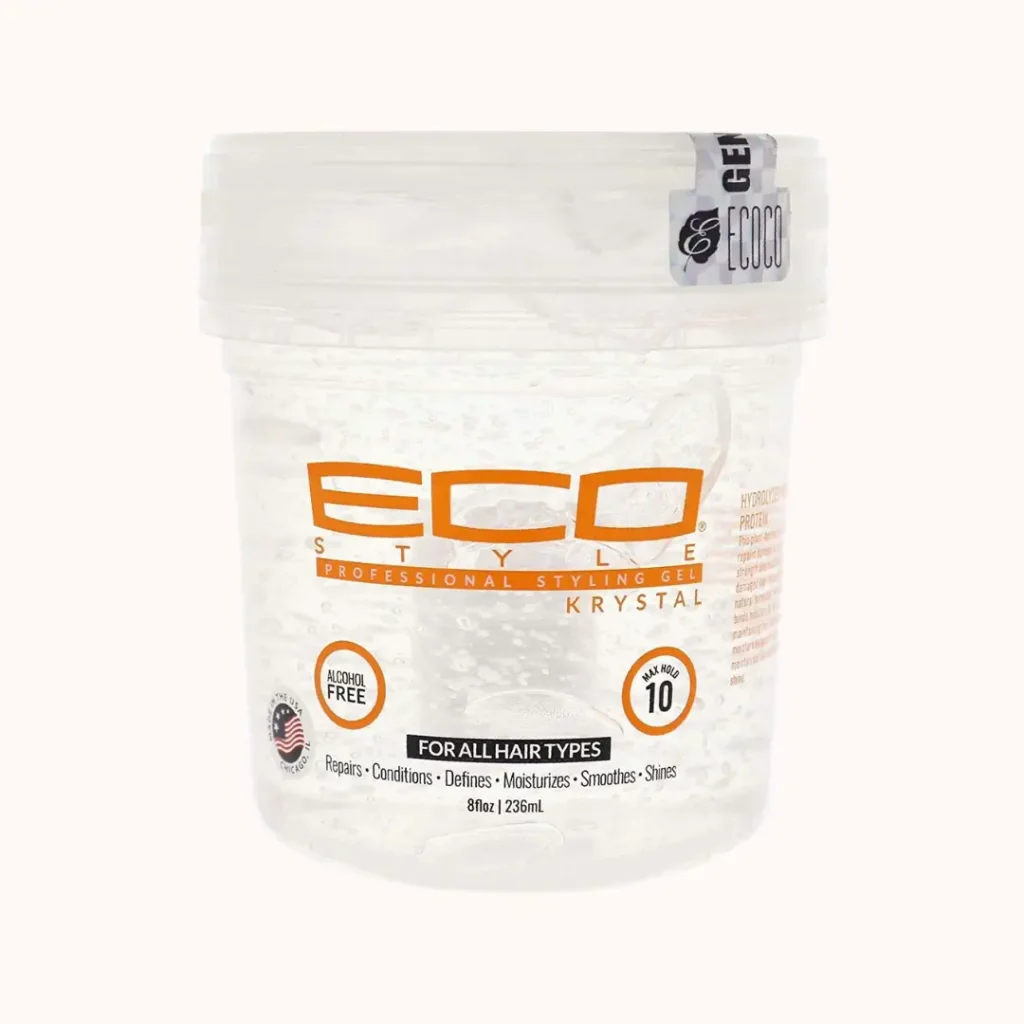
The classic drugstore tub, but make it oil-free. This version is water-based with aloe and glycerin, and it’s known for strong hold that doesn’t flake. It’s great for wash-and-gos, slick buns, and laying edges, and at just a few dollars a tub, you won’t feel guilty using a generous amount. It does include hydrolyzed wheat protein, so skip it if protein tends to make your hair stiff.
Why it works for low-porosity hair: No oils or butters, and it rinses out easily on wash day.
How to Apply Gel to Low Porosity Hair
Even the perfect gel can flop if the technique is off. Here’s the routine that gets the best results:
- Start with soaking-wet hair: Apply everything in the shower or right after, while your hair is dripping. Water helps the gel spread evenly and gives it moisture to lock in.
- Go light underneath: Use a water-based leave-in and only a small amount of cream, if any. (More on layering in my guide to how to moisturize low-porosity hair.)
- Work in sections: Smooth or rake the gel through four to six sections so every curl gets coverage.
- Scrunch and hands off: Scrunch upward to encourage curl clumps, then leave your hair alone while it dries. Touching it too early is the fastest route to frizz.
- Dry fully, then scrunch out the crunch: Once your hair is 100% dry, scrunch with your hands (or a drop of light oil) to break the cast and reveal soft, defined curls.
How to Avoid Flakes and Buildup
Flakes usually mean your products are clashing or there’s simply too much on your hair. Try these fixes:
- Use less cream: Heavy creams under gel are the number one flake trigger on low-porosity hair.
- Stay within a brand: Products from the same line are designed to work together, so they’re less likely to separate.
- Apply to wetter hair: Gel applied to damp or dry hair tends to sit on the surface.
- Let it dry completely: Scrunching out the cast before your hair is fully dry can cause white specks.
- Clarify regularly: Gel and stylers build up fast, so use a clarifying shampoo every few weeks. My picks for the best shampoos for low-porosity hair include gentle options, and an apple cider vinegar rinse can help in between.
What About DIY Flaxseed or Aloe Gel?
If you’d rather skip store-bought gel, flaxseed and aloe are two of the most popular DIY options, and both are naturally protein-free and water-based.
Flaxseed gel gives a soft, flexible hold and lots of slip, while pure aloe vera gel adds moisture and a light hold. (Here’s more on using aloe vera for low porosity hair.)
The catch? Homemade gels don’t contain preservatives, so store them in the fridge and use them within about a week.
They also tend to give a softer hold than commercial gels, which is perfect for everyday wear but less ideal for sleek styles that need to last.
The Bottom Line
The best gel for low porosity hair is water-based, light on oils and protein, and applied to soaking-wet hair over a minimal layer of leave-in.
Start with a protein-free formula if your hair tends to get stiff, keep your cream layer thin, and clarify regularly so nothing builds up.
Do that, and you’ll get definition that lasts for days… minus the flakes, the film, and the crunch.
PIN FOR LATER 📌