

If you’ve ever found yourself scrolling through endless skincare content on TikTok or deep-diving into Reddit threads about glowing skin, you’ve probably come across the buzz around niacinamide.
From serums to spot treatments, it seems like everyone is raving about this all-star ingredient.
But does niacinamide really live up to the hype when it comes to tackling hyperpigmentation, melasma, and those pesky dark spots that just won’t quit?
Let’s find out!
What Exactly Is Niacinamide?
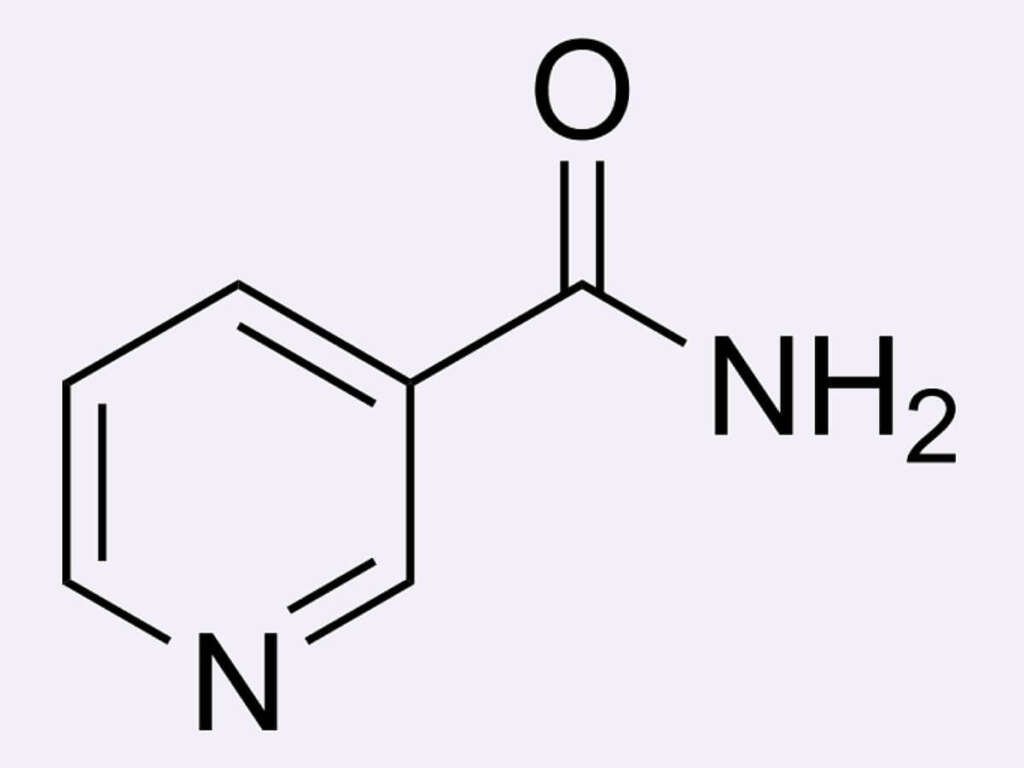
Before we get into the nitty-gritty, let’s break down what niacinamide actually is.
Niacinamide, also known as vitamin B3, is a water-soluble vitamin that works with the natural substances in your skin to visibly improve the appearance of large pores, fine lines, and dullness.
But what’s really got everyone talking is its potential to reduce hyperpigmentation.
RELATED: Can You Use Azelaic Acid and Niacinamide Together?
What Is Hyperpigmentation?
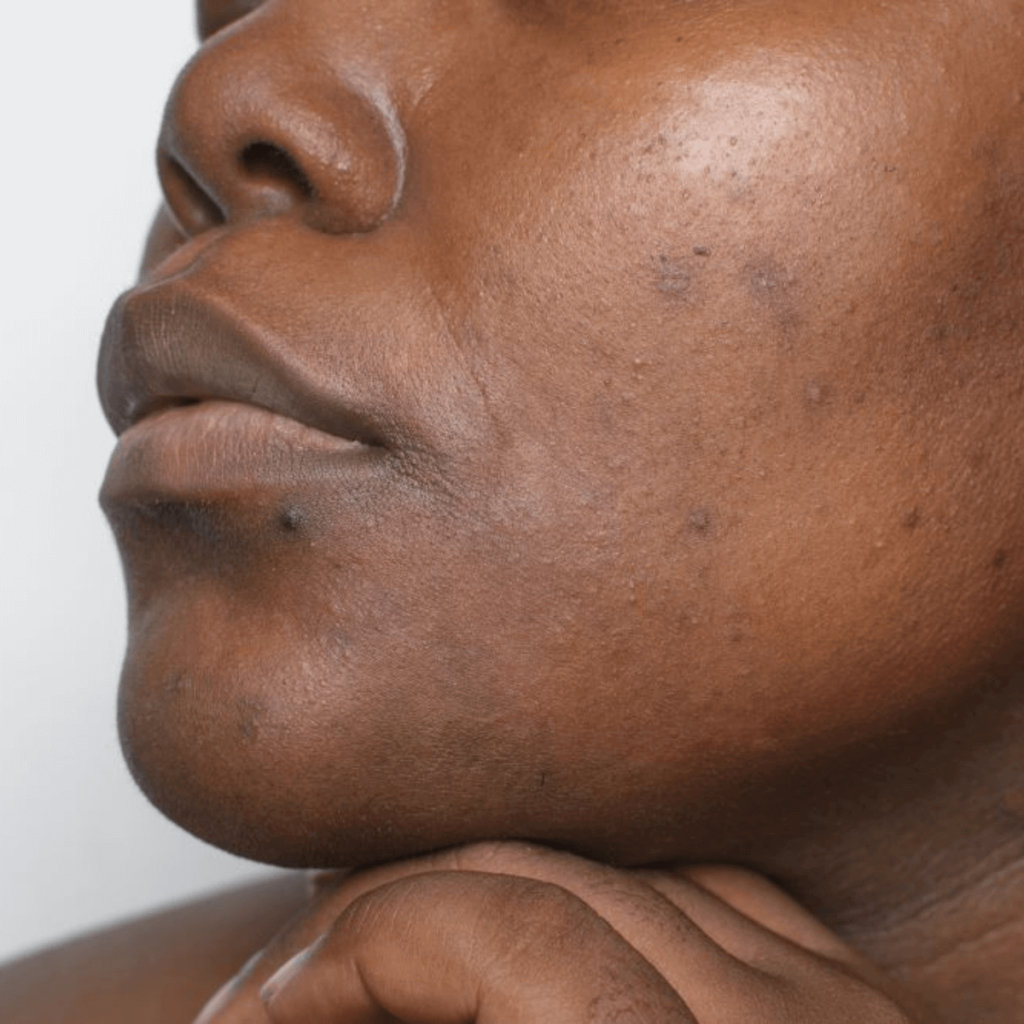
Hyperpigmentation is a common skin condition where patches of skin become darker than the surrounding areas.
This happens because your skin produces excess melanin, the pigment responsible for your skin color.
Essentially, it’s like your skin is putting too much ink in certain spots.
Hyperpigmentation can show up in various forms:
- Dark Spots: Also known as age spots or sun spots, these are typically caused by prolonged sun exposure.
- Melasma: A condition that causes brown or grayish patches, often triggered by hormonal changes, like pregnancy or birth control pills.
- Post-Inflammatory Hyperpigmentation (PIH): Dark spots that appear after an inflammatory skin issue like acne, eczema, or even a bug bite.
While hyperpigmentation isn’t harmful, it can be frustrating to deal with, especially when it feels like those dark spots are setting up permanent residence on your face.





The Science Behind Niacinamide and Hyperpigmentation
While there are several treatments available for hyperpigmentation, many can be harsh on the skin, leaving it irritated and sensitive.
Niacinamide, however, offers a gentler yet effective alternative.
According to a clinical trial published in the Journal of Clinical and Aesthetic Dermatology, applying a niacinamide serum with a concentration of 5% twice daily for twelve weeks resulted in significant lightening of hyperpigmented areas.
The reason?
Niacinamide inhibits the transfer of melanin to your skin cells, effectively reducing the appearance of dark spots and making your skin tone more even.
Niacinamide can juggle multiple tasks too. This study also showed “significant improvement in fine lines and wrinkles, hyperpigmentation, redness, yellowing, and skin elasticity.”
When used properly, it acts as your skin’s first line of defense, protecting and maintaining the integrity of your skin’s barrier.
According to Dr. Davin Lim, a professional dermatologist based in Brisbane, Australia, niacinamide can also help aid acne, rosacea & dermatitis; it also “increases its resiliency, improving skin quality by making pores look smaller. It also helps balance oil production,” and if you are wondering how effective it is on sensitive skin and darker skin types, Dr. Lim reassures that it is!
Shop Our Favorite Niacinamide Products
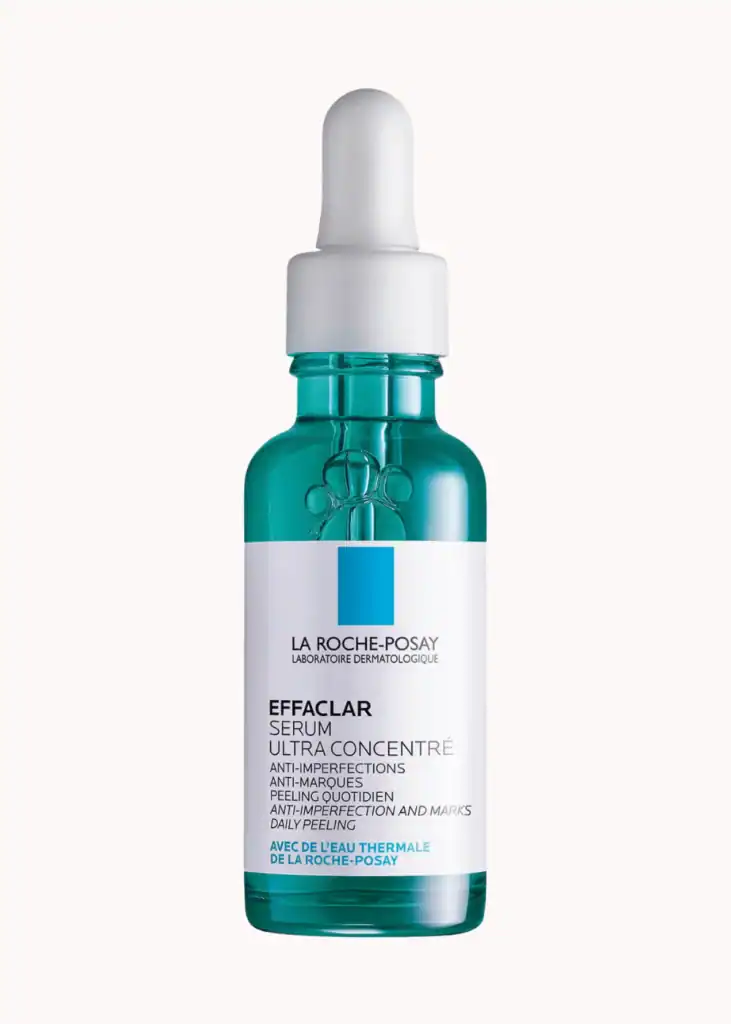
La Roche-Posay Effaclar Ultra Concentrate Serum from LOOKFANTASTIC
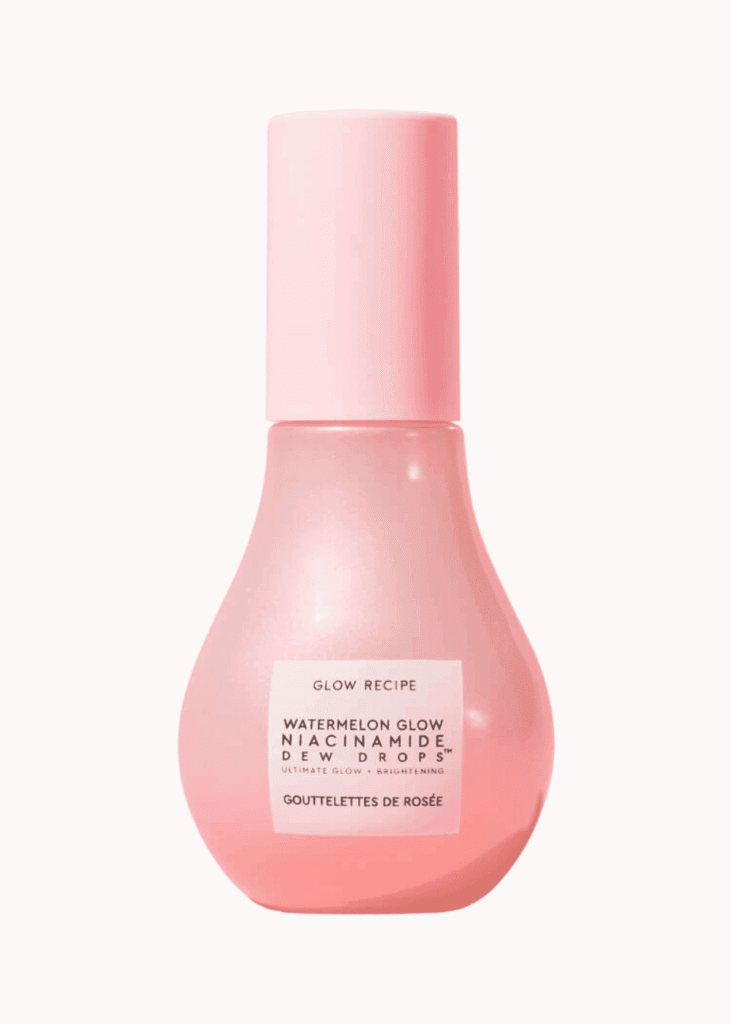
Glow Recipe Watermelon Glow Niacinamide Dew Drops From Cult Beauty
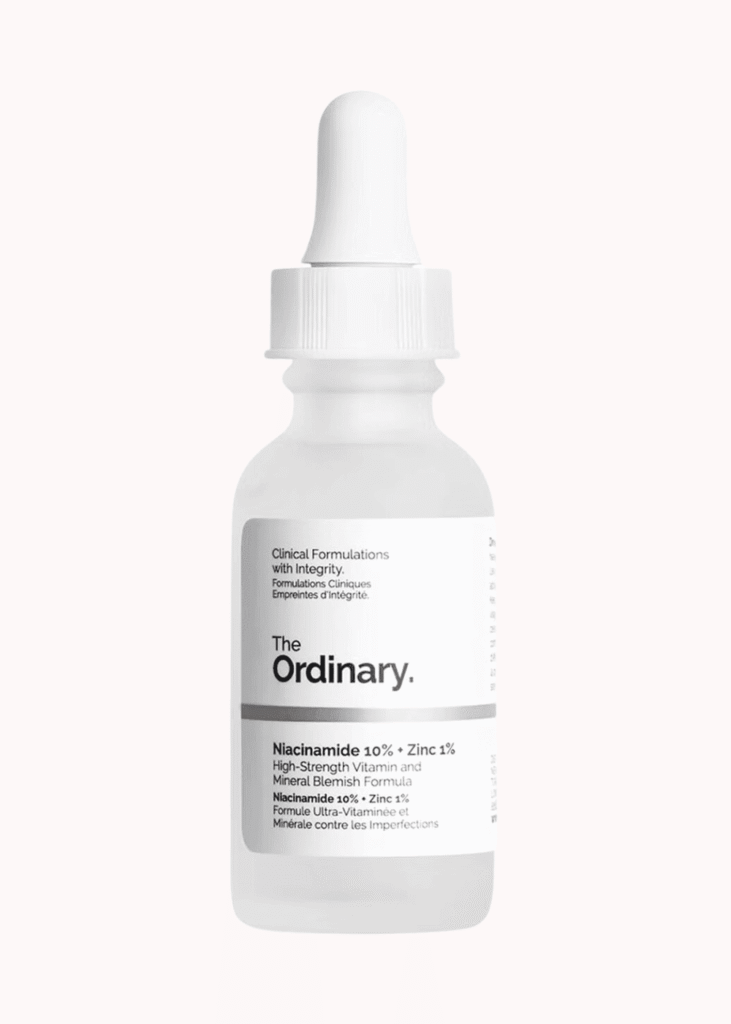
The Ordinary Niacinamide 10% + Zinc 1% Serum from LOOKFANTASTIC
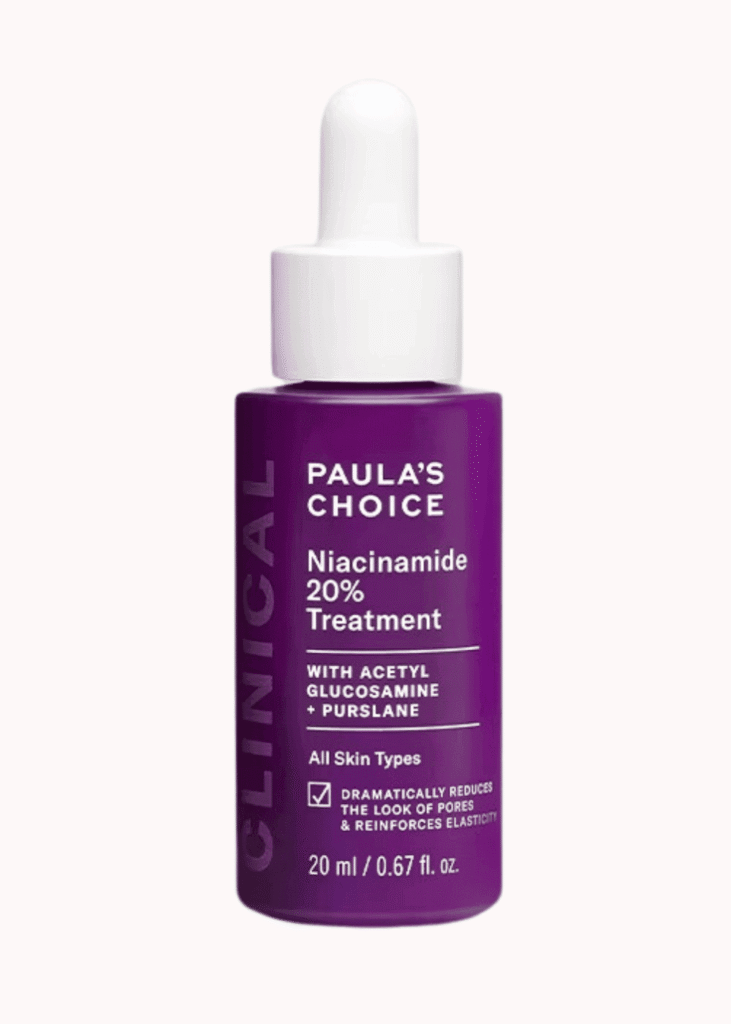
Paula’s Choice Niacinamide 20% Treatment from Cult Beauty
Beyond the Face: Niacinamide for Hair and Body Care
While niacinamide is mostly talked about in the context of skincare, did you know it can also benefit your hair?
Yup, niacinamide’s ability to improve skin barrier function can extend to your scalp, helping to maintain a healthy environment for hair growth.
Some care products even include niacinamide for its anti-inflammatory properties, which can help reduce scalp inflammation and promote stronger, shinier hair.
And let’s not forget full body care…
Hyperpigmentation isn’t just a facial issue; it can happen anywhere on your body.
Whether it’s dark spots on your chest, back, or even underarms, a niacinamide-infused body serum or lotion can help even out your skin tone all over.
How to Incorporate Niacinamide Into Your Routine
Ready to add niacinamide to your skincare lineup?
Here’s how you can seamlessly incorporate niacinamide into your skincare routine.
Step 1: Start Simple
- Begin with a straightforward product like a niacinamide-infused serum or moisturizer. These are excellent for layering and make for an easy addition after cleansing and toning. Use products containing a concentration of 2-5% niacinamide to gently acclimate your skin to this potent ingredient.
Step 2: Learn the Order of Operations
- Niacinamide plays well with others, making it a breeze to add to your skincare roster. Apply it after water-based serums and before heavier oils and creams. A pro tip – let each product absorb for a minute or two to maximize effectiveness and reduce the chance of pilling.
Step 3: Pair with Other Power Players (with Caution)
- While versatile, niacinamide does have some best friends it prefers working alongside. Layer it under SPF during the day to boost protective benefits against UV damage. For nighttime, if you’re using retinol or acids, consider applying niacinamide in the AM and others in the PM to avoid potential irritation, especially if you have sensitive skin.
RELATED: 11 Best Sunscreens For Hyperpigmentation
When and How Often To Use Niacinamide
Introduce niacinamide once daily and, as your skin adjusts, bump it up to twice daily for optimal results. Giving a nod to your excitement – yes, it’s safe for both your morning and evening routines!
Mix and Match Like a Pro
Combining niacinamide with:
- Hyaluronic Acid: Enhances hydration.
- Salicylic Acid: Targets acne effectively while niacinamide soothes.
- Retinol: Balances the potential irritation from retinol.
- Vitamin C: Alternate their use or pick a product that has been specifically formulated to combine both.
TRY THESE NEXT:
- 11 Best Sunscreens For Hyperpigmentation
- 6 Best Korean Products For Hyperpigmentation
- How Kojic Acid Can Improve Hyperpigmentation & Dark Spots
FAQs
Q. What Concentration of Niacinamide Works Best?
Niacinamide is available in varying strengths; you’ll be happy to know that products featuring 2% to 10% niacinamide are typically the sweet spot, striking the perfect balance between efficacy and skin tolerance. This versatility is precisely what makes niacinamide good for both oily and dry skin, catering to different concerns with graceful ease.
Q. Does Niacinamide Help With Dark Spots?
Yes, niacinamide effectively treats dark spots by inhibiting melanin transfer, reducing inflammation, and strengthening the skin barrier. At 2-5% concentration, it can visibly reduce hyperpigmentation within 4-8 weeks of consistent use. Niacinamide works well for most skin types, including sensitive skin, and can be paired with other active ingredients. Unlike some brightening ingredients, it doesn’t increase sun sensitivity, though daily SPF is still recommended to prevent new dark spots.
Q. How Does Niacinamide Combat Acne-Prone Skin?
Niacinamide is great for acne! By regulating sebum and soothing inflammation, niacinamide not only calms breakouts but also helps prevent future flare-ups—an all-around win for your skin.
Q. Can People With Sensitive Skin Use Niacinamide?
Niacinamide is sensitive skin’s ally, offering gentle regulation of oil production, reduction of redness, and reinforcing the skin barrier without inciting irritation.
Q. How Long Does It Take To See Results When Using Niacinamide?
Most niacinamide products typically start showing visible improvements in brightening, tackling discoloration, and smoothening fine lines and wrinkles after consistent use over four weeks or more.
Q. Can I Layer Niacinamide with Other Skincare Ingredients?
Absolutely! Pairing niacinamide with fellow skincare all-stars like hyaluronic acid boosts hydration while mixing with vitamin C can amplify its brightening effects.
Just remember, if you have sensitive skin, be cautious and use niacinamide and vitamin C at different times to avoid any potential flushing.
Final Thoughts: Is Niacinamide Worth the Hype?
So, does niacinamide work for hyperpigmentation? The short answer: absolutely.
With its ability to reduce melanin production, soothe inflammation, and support overall skin health, niacinamide is a true skincare MVP.
Plus, it’s versatile enough to benefit not just your face but your hair and body too.
Whether you’re battling melasma or post-acne spots or just want a more even complexion, incorporating niacinamide into your routine is a smart move.
And with the added perks of reduced fine lines, improved skin texture, and enhanced hair health, it’s safe to say that niacinamide deserves a permanent spot in your care products lineup.