If you have acne-prone skin, you’ve probably tried it all: harsh scrubs, the toothpaste-on-a-pimple trick, and that 11-step routine from TikTok that somehow made things worse.
Your bathroom shelf, shall we say, has seen some things. 😣
Here’s what I’ve learned: When it comes to breakouts, more isn’t better.
A *good* skincare routine for acne-prone skin is simple, consistent, and built around a few proven ingredients, not a cabinet full of products fighting each other.
Below, I’m walking you through a step-by-step AM and PM routine, the ingredients that actually work (like salicylic acid), the best products for each step, and the common mistakes that keep breakouts coming back.
And if your breakouts don’t stop at your neck, my guide to getting rid of back acne has you covered.
What Causes Acne-Prone Skin?
Acne happens when your hair follicles get clogged with oil (sebum) and dead skin cells. Bacteria that naturally live on your skin can then multiply inside those clogged pores, leading to inflammation, redness, and the bumps we all know too well. Acne usually comes down to four main factors:
- Excess oil: Some skin simply produces more sebum than others.
- Clogged pores: Dead skin cells don’t shed properly and get trapped with oil.
- Bacteria: Acne-causing bacteria thrive in clogged, oily pores.
- Inflammation: Your skin’s response to all of the above, which creates red, swollen breakouts.
Genetics, hormones, stress, certain medications, and even the products you use can all make you more prone to breakouts.
That’s why acne isn’t a one-size-fits-all concern and why your routine should target the causes rather than just the pimples you can see.



How to Build a Skincare Routine for Acne-Prone Skin
Before we get into the steps, here are a few ground rules that make any acne routine work better:
- Keep it simple: Start with the basics (cleanser, treatment, moisturizer, and sunscreen) and add from there only if you need to.
- Introduce one product at a time: Wait about two weeks before adding something new, so you can tell what’s helping and what’s causing irritation.
- Choose non-comedogenic products: Look for this label on moisturizers, sunscreens, and makeup, which means they’re formulated not to clog pores.
- Be gentle: Harsh scrubs and stripping cleansers can damage your skin barrier and make breakouts worse.
- Be patient: Most acne treatments take six to 12 weeks to show real results, so give each one time before you give up.
- Patch test first: Try new products on a small area for a few days before applying them to your whole face.
The Best Ingredients for Acne-Prone Skin
You don’t need all of these. Most people do best with one or two treatment ingredients plus a supportive one like niacinamide. Here’s what each one does:
- Salicylic acid: An oil-soluble beta hydroxy acid (BHA) that gets inside pores to clear out oil and dead skin. It’s great for blackheads, whiteheads, and oily skin. Here’s my full guide to salicylic acid benefits for skin.
- Benzoyl peroxide: Kills acne-causing bacteria and helps clear red, inflamed pimples. It can be drying and may bleach towels and pillowcases, so start with a lower strength (2.5% to 5%).
- Retinoids (adapalene and retinol): Speed up cell turnover to keep pores from clogging in the first place and help fade post-acne marks over time. Adapalene is especially effective for acne. Learn more in my post on the benefits of retinol for skin.
- Azelaic acid: Gentle and multitasking, it helps calm redness, reduce breakouts, and fade dark spots. It’s a great option for sensitive skin.
- Niacinamide: Helps regulate oil, calm inflammation, and strengthen your skin barrier, which makes it a perfect sidekick for stronger actives. Wondering how to pair it? Here’s how to use azelaic acid and niacinamide together.
Quick-reference guide
| Ingredient | Best for | When to use | Good to know |
|---|---|---|---|
| Salicylic acid | Blackheads, whiteheads, oily skin | AM or PM | Can be drying at first |
| Benzoyl peroxide | Red, inflamed pimples | AM or PM | Can bleach fabrics |
| Adapalene or retinol | Preventing clogs, post-acne marks | PM only | Increases sun sensitivity |
| Azelaic acid | Redness, dark spots, sensitive skin | AM or PM | Usually well tolerated |
| Niacinamide | Oil control, barrier support | AM or PM | Pairs well with most actives |
One important note: Benzoyl peroxide can break down some retinoids, like tretinoin, when applied at the same time. Adapalene is more stable, but to keep irritation down, it’s still a good idea to use benzoyl peroxide in the morning and your retinoid at night.
Morning Skincare Routine for Acne-Prone Skin
Your morning routine is all about clearing overnight oil, treating breakouts, and protecting your skin for the day ahead.
Step 1: Cleanse
Wash with a gentle cleanser to remove the oil and sweat that built up overnight. If your skin is oily or prone to blackheads, a salicylic acid cleanser does double duty. If your skin feels tight or dry afterward, switch to a gentle, non-medicated cleanser in the morning and save the acne wash for the evening.
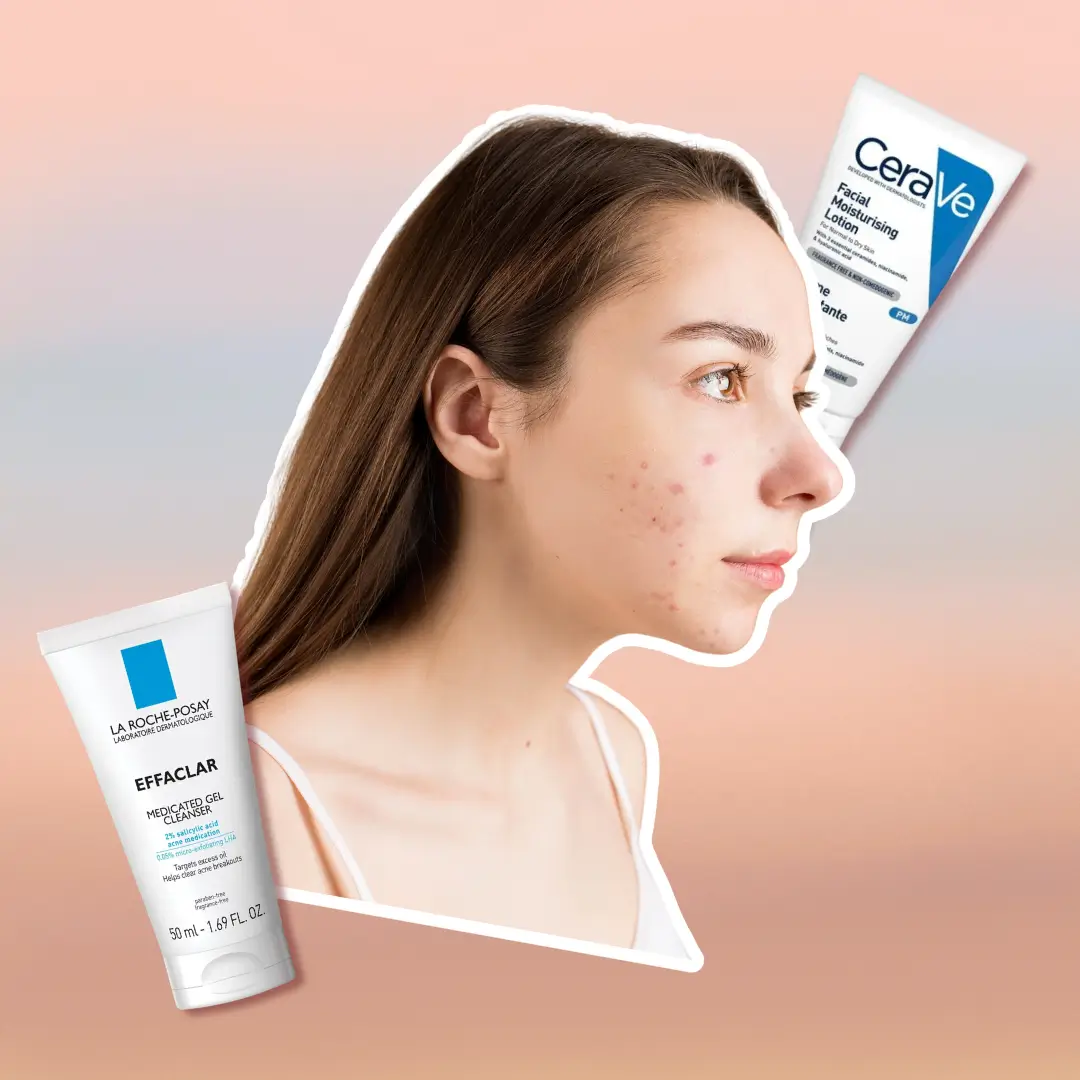
My pick: La Roche-Posay Effaclar Medicated Gel Cleanser
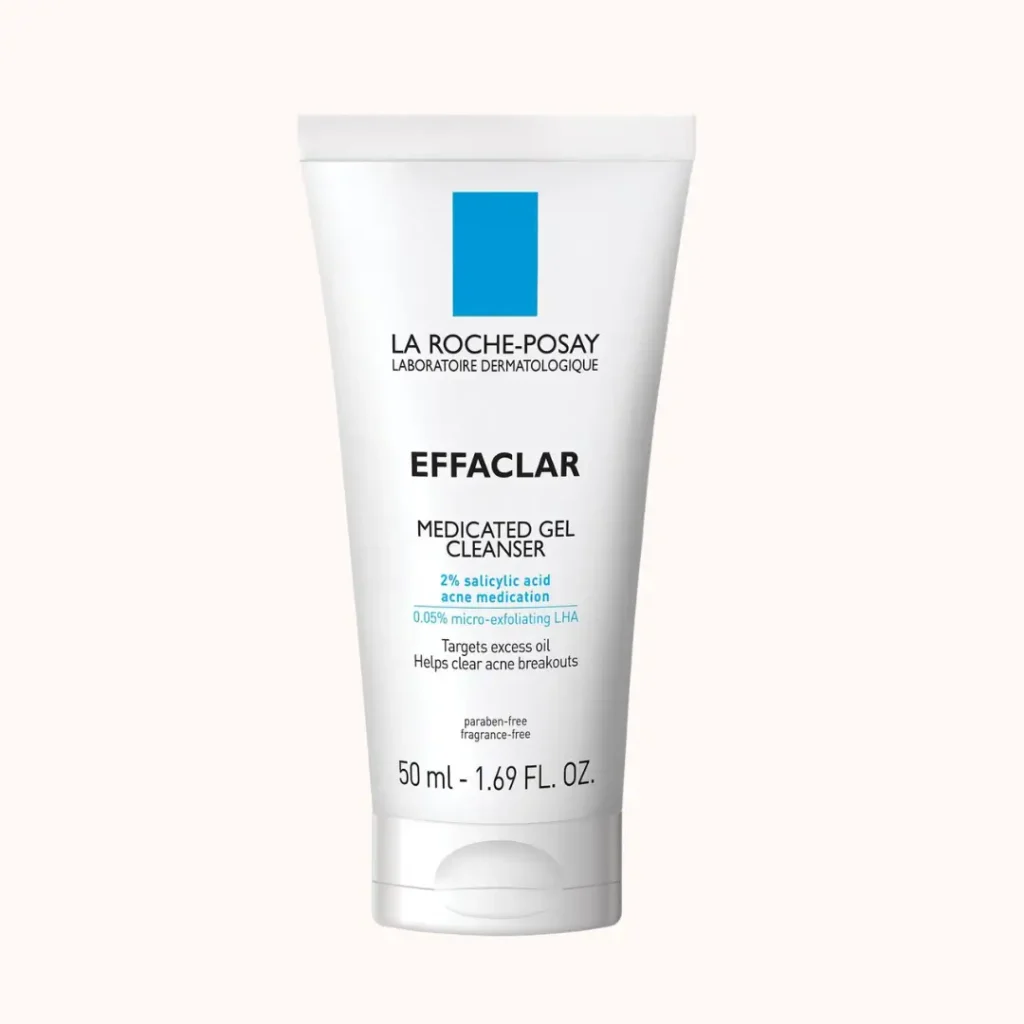
This oil-free, fragrance-free face wash contains 2% salicylic acid plus LHA, a micro-exfoliating derivative of salicylic acid, to target excess oil, blackheads, and whiteheads. It’s non-comedogenic and suitable for sensitive skin, and it lathers into a satisfying foam without any harsh scrub particles.
Step 2: Treat
This is where your targeted ingredient comes in. Apply a thin layer of a benzoyl peroxide gel to breakout-prone areas, or use an azelaic acid or niacinamide serum if your skin is sensitive. Let it absorb for a minute before moving on. (Using a salicylic acid cleanser? You might not need a separate treatment in the morning, especially at first.)
Step 3: Moisturize
Yes, even oily skin needs moisturizer. Acne treatments can be drying, and dehydrated skin may overcompensate by producing more oil. Choose a lightweight, oil-free, non-comedogenic formula. Looking for something extra light? These Korean moisturizers for acne-prone skin are some of my favorites.
Step 4: Sunscreen
This is non-negotiable, especially if you’re using acne treatments that make your skin more sensitive to the sun. Sunscreen also helps keep post-acne dark spots from getting darker.
My pick: EltaMD UV Clear Broad-Spectrum SPF 46
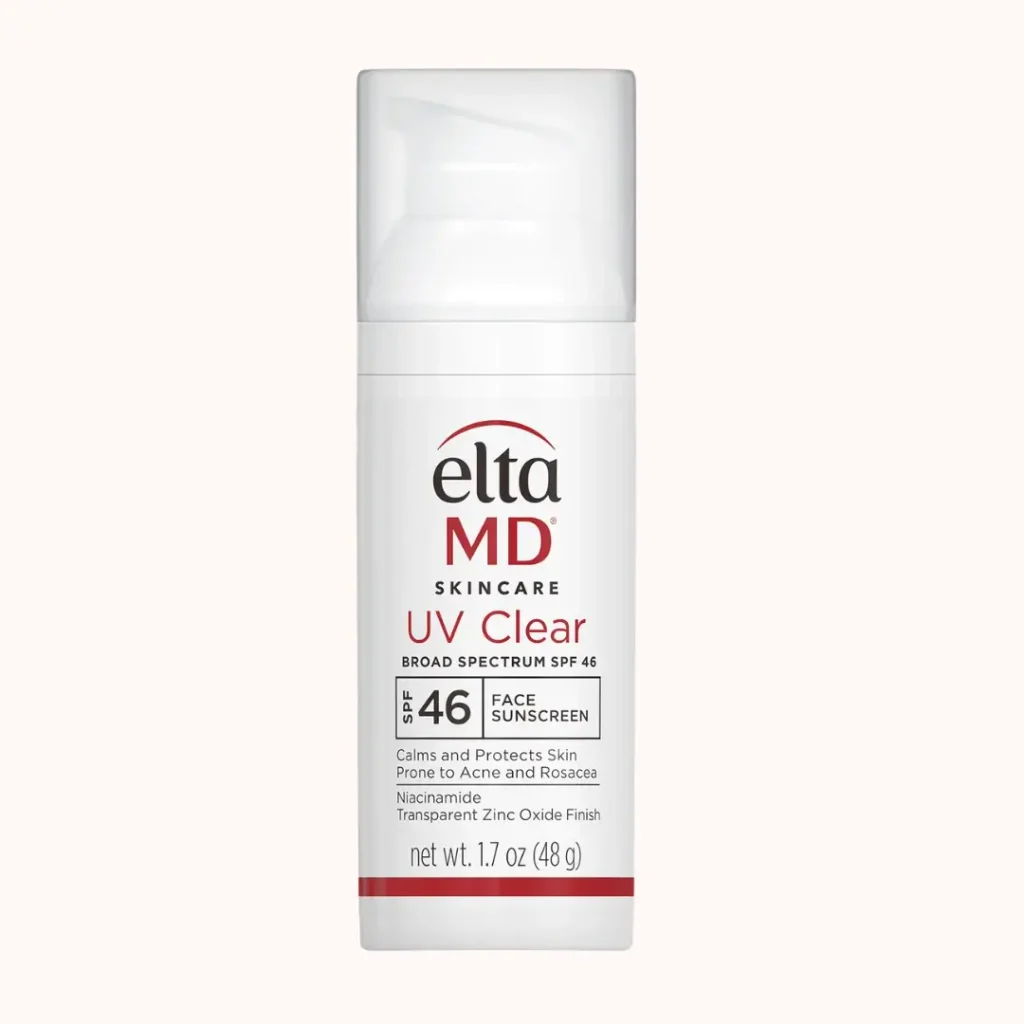
There’s a reason this one is a dermatologist’s favorite. It’s an oil-free, non-comedogenic mineral sunscreen with 9% zinc oxide and 5% niacinamide, which helps calm acne-prone skin and improve the look of discoloration. It’s lightweight enough to wear alone or under makeup, and it comes in tinted and untinted versions. For more options, see my roundup of sunscreens for hyperpigmentation.
Night Skincare Routine for Acne-Prone Skin
Nighttime is when your skin repairs itself, which makes it the best time for retinoids and other treatments that do their best work while you sleep.
Step 1: Remove Makeup and Sunscreen
If you wear makeup or a heavier sunscreen, start with a micellar water or a non-comedogenic cleansing oil or balm. Leftover product is one of the sneakiest causes of clogged pores.
Step 2: Cleanse
Follow with your regular cleanser to wash away any remaining residue. If you used a salicylic acid cleanser in the morning, you can use it again at night or switch to something gentler if your skin feels dry.
Step 3: Apply a Retinoid
Retinoids are the gold standard for keeping pores clear long-term. Apply a pea-sized amount to clean, dry skin, and start every other night or a few nights a week so your skin can adjust.
My pick: Differin Adapalene Gel 0.1%
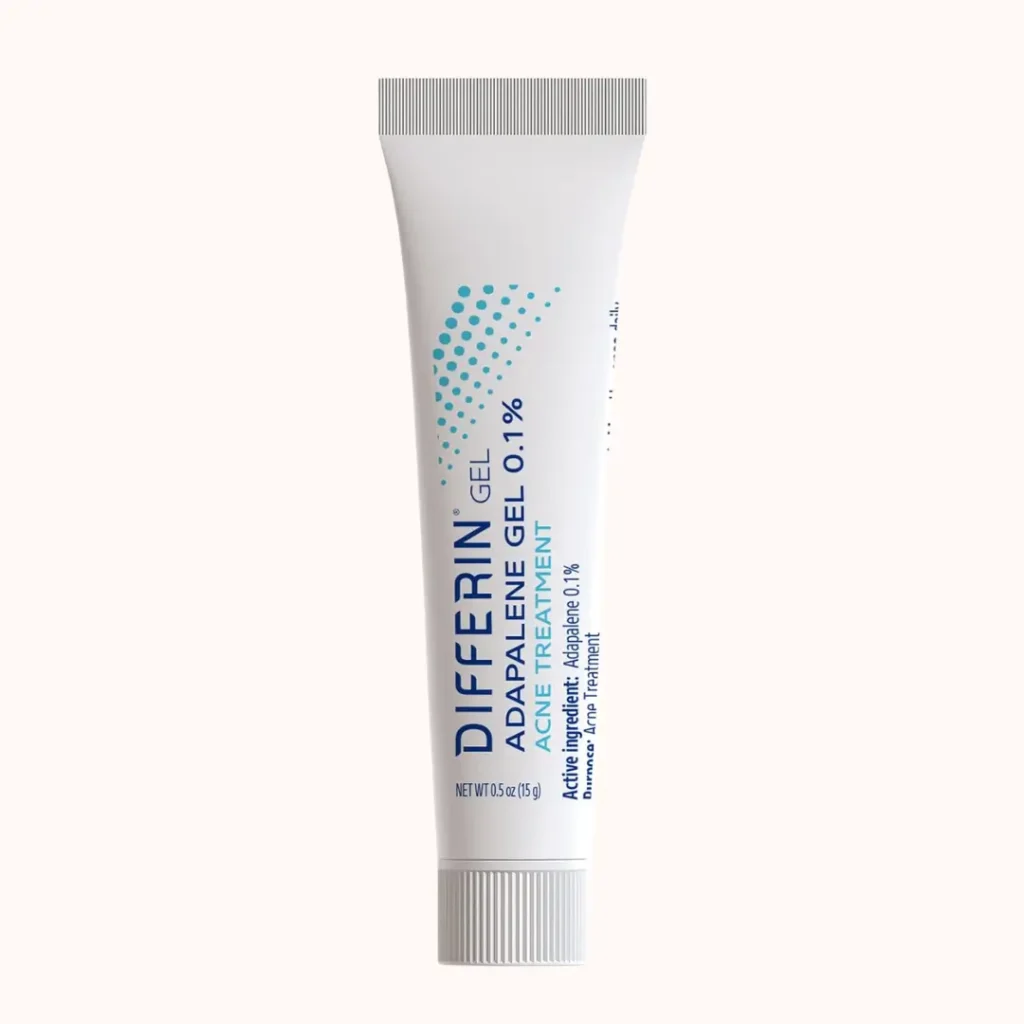
This is one of the most accessible acne treatments out there. In the US, adapalene 0.1% gel is available over the counter, and it’s designed to be used once a day, usually in the evening. Expect a little dryness or irritation at first, and know that your acne may look worse for the first few weeks before it improves. According to the label, it can take up to three months of daily use to see full results. If you’re pregnant or breastfeeding, check with your doctor before using it.
Step 4: Moisturize
Finish with a soothing, non-comedogenic moisturizer to keep your skin barrier happy, especially on retinoid nights. If your skin gets irritated, try the “sandwich” method: a thin layer of moisturizer, then your retinoid, then another layer of moisturizer.
My pick: CeraVe PM Facial Moisturizing Lotion
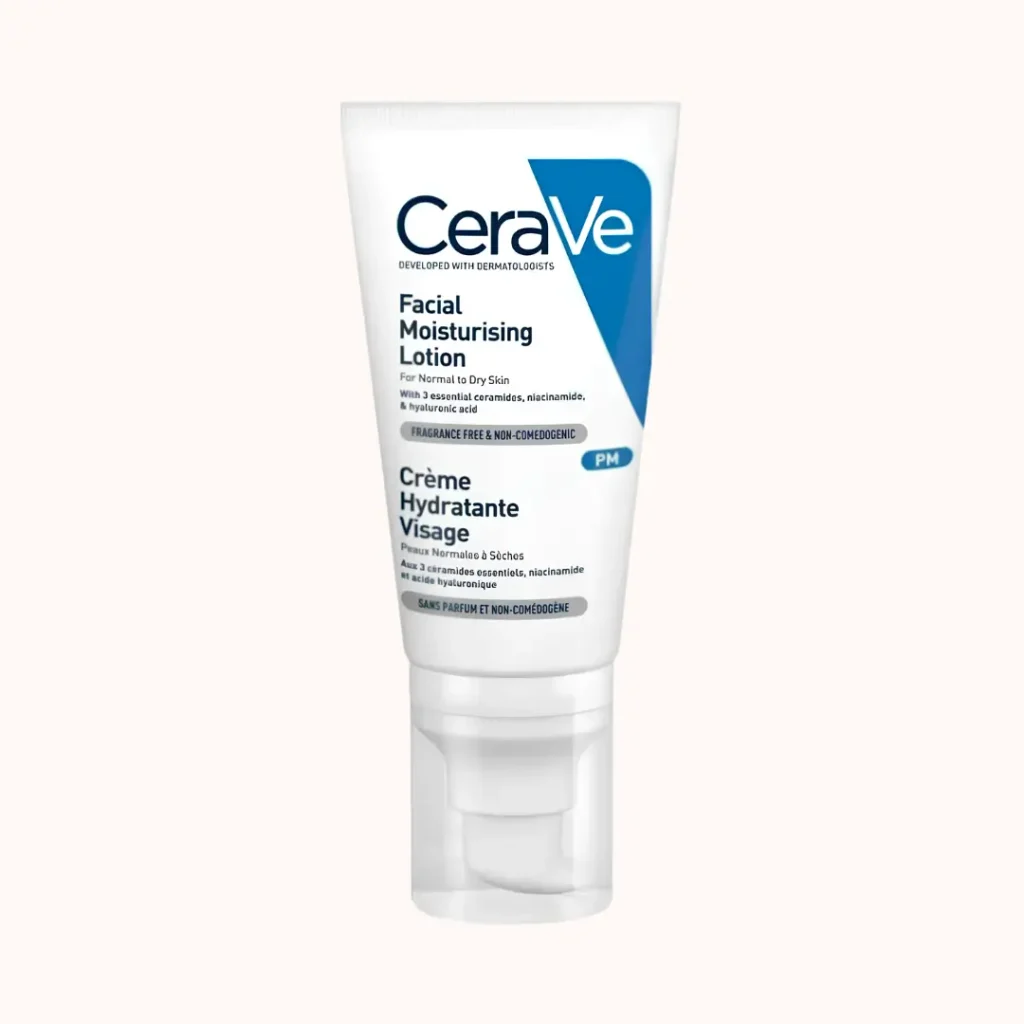
This lightweight night lotion is non-comedogenic and made with three essential ceramides, hyaluronic acid, and niacinamide to hydrate and calm while you sleep. It’s an easy match for retinoids, since it helps support your skin barrier through the adjustment period.
Optional: Spot Treatment
Got an active pimple? A hydrocolloid pimple patch can help flatten a whitehead overnight and, just as importantly, stop you from picking at it.
Weekly Extras: Masks and Exfoliation
Once your routine is running smoothly, you can add one or two weekly extras:
- Clay masks: Use a kaolin or bentonite clay mask once or twice a week to absorb excess oil. Want to DIY? Try one of these homemade face masks for acne.
- Gentle chemical exfoliation: If you’re not already using salicylic acid or a retinoid, a weekly exfoliating toner can help keep dead skin from building up. If you are, skip extra exfoliation, since it can easily tip your skin into irritation.
- Clean your tools: Wash makeup brushes weekly and change your pillowcase every few days. It’s not glamorous, but it helps.
How to Adjust Your Routine
The basic routine works for most people, but a few tweaks can make it a better fit for your skin.
For Dry, Acne-Prone Skin
Yes, you can be dry and breakout-prone at the same time (rude, but true). Use a cream or non-foaming cleanser, apply acne treatments every other day instead of daily, and choose a richer moisturizer with ceramides. Azelaic acid and niacinamide tend to be gentler options than benzoyl peroxide.
For Acne-Prone Skin With Dark Spots or Hyperpigmentation
Post-acne marks can stick around long after the pimple is gone, especially on deeper skin tones. Azelaic acid, niacinamide, retinoids, and vitamin C all help fade discoloration, and daily sunscreen keeps spots from getting darker. For product ideas, check out these Korean products for hyperpigmentation and my guide to niacinamide for hyperpigmentation.
For Teens
Teen skin usually does best with the simplest version of this routine: a gentle cleanser, a single treatment like benzoyl peroxide or salicylic acid, an oil-free moisturizer, and sunscreen. Skip complicated multistep routines and harsh scrubs, and talk to a doctor or dermatologist if breakouts are painful or persistent.
For a Korean-Inspired Routine
Korean skincare focuses on gentle cleansing, layered hydration, and barrier support, which can work beautifully for acne-prone skin. Swap heavy creams for lightweight essences and gel moisturizers, and look for soothing ingredients like centella asiatica and tea tree. Just add steps one at a time so you can spot anything that triggers breakouts. My 10-step Korean skincare routine is a great starting point.
Common Mistakes That Make Acne Worse
- Using too many actives at once: Layering salicylic acid, benzoyl peroxide, and a retinoid all at the same time is a fast track to irritation. Pick one or two and build slowly.
- Over-washing: Cleansing more than twice a day strips your skin and can trigger more oil.
- Skipping moisturizer: Dry, irritated skin heals more slowly and may produce more oil to compensate.
- Picking and squeezing: It pushes bacteria deeper, increases inflammation, and raises your risk of scarring and dark spots. Dealing with stubborn blackheads? Try these gentler ways to get rid of blackheads naturally.
- Harsh scrubs and DIY hacks: Toothpaste, baking soda, and gritty scrubs can damage your skin barrier. (More on what to skip in my guide on how to reduce open pores.)
- Switching products too quickly: Giving up after a week means you never find out what actually works.
How Long Does It Take to See Results?
Patience is the hardest part of any acne routine. Most treatments take six to 12 weeks to show noticeable improvement, and retinoids like adapalene can take up to three months.
You may also experience purging in the first few weeks, when ingredients that speed up cell turnover (like retinoids and some acids) bring clogs to the surface faster.
Purging usually shows up where you normally break out and clears within a few weeks.
If you’re breaking out in new areas, or the irritation feels intense, it might be a reaction to the product instead, so stop using it and check in with a professional.
When to See a Dermatologist
Over-the-counter products work well for mild to moderate acne, but it’s time to book an appointment if:
- Your breakouts are deep, painful, or cystic.
- You’re seeing scarring or dark spots that don’t fade.
- You’ve followed a consistent routine for three months with little improvement.
- Your acne is affecting your confidence or mental health.
A dermatologist can prescribe stronger options, like prescription retinoids, topical or oral antibiotics, or hormonal treatments, that aren’t available over the counter.
The Bottom Line
The best skincare routine for acne-prone skin isn’t the one with the most steps.
It’s the one you can stick with: a gentle cleanser, one or two proven treatments, a lightweight moisturizer, and daily sunscreen.
Start simple, add one product at a time, and give your skin a few months to respond. Your bathroom shelf (and your skin) will thank you.
PIN FOR LATER 📌